























Travel Capitalist Ventures Expands Check Size to $10 Million to Deepen Emerging Market Conviction
Boutique Travel VC raises investment cap from $1.5M to $10M to lead rounds and support portfolio companies through growth Travel...
Read moreDetails
Singapore Expands Border Security, Bans Undesirable Travelers from Boarding Flights—What This Means ...
Comprehensive Summarization:
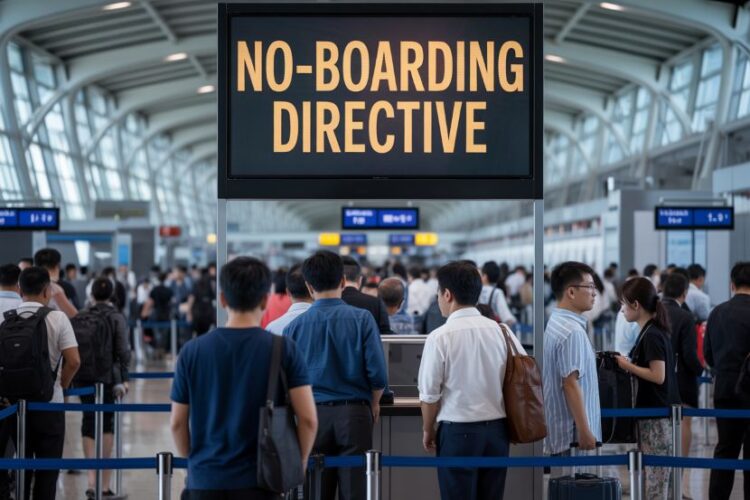
Singapore has implemented a stringent new security measure effective from January 30, 2026, as part of its efforts to enhance border security. The Singapore Immigration and Checkpoints Authority (ICA) will enforce a “no-boarding” directive for passengers deemed undesirable or posing a security risk. This initiative aims to prevent threats from boarding flights destined for Singapore, ensuring only eligible travelers are allowed to board. The measure directly impacts both travelers and airlines, with penalties for those who attempt to circumvent the new security protocols. This development is a significant shift in how airlines handle passenger boarding and reflects Singapore’s commitment to maintaining high security standards in the Asia-Pacific region.
Key Points:
Actionable Takeaways:
Enhanced Security Protocols for Airlines: Airlines operating in the Asia-Pacific region should review and update their passenger screening processes to comply with Singapore’s new security measures. This includes implementing stricter background checks and verification processes for all passengers, particularly those from high-risk regions. Compliance with these protocols will be crucial to avoid penalties and ensure smooth operations.
Traveler Awareness and Preparation: Travelers should be aware of the new security measures and prepare accordingly. This includes ensuring all travel documents are in order and that they meet the eligibility criteria for boarding flights to Singapore. Airlines can assist by providing clear communication about the new security protocols well in advance of travel dates to minimize confusion and potential disruptions.
Regulatory Compliance and Risk Management: Companies in the travel industry, including airlines and travel agencies, should prioritize regulatory compliance and risk management. This involves staying informed about evolving security measures and integrating them into their operational frameworks. Proactive risk management strategies can help mitigate potential disruptions and ensure a seamless travel experience for passengers.
Contextual Insights:
The introduction of Singapore’s new security measure reflects a broader trend in the travel industry towards enhanced security protocols in response to evolving global threats. This move aligns with the increasing emphasis on security and safety measures across international borders, particularly in regions with heightened security concerns. The article highlights Singapore’s proactive stance in leveraging technology and stringent protocols to safeguard its borders, setting a precedent for other countries in the Asia-Pacific region to follow.
In the context of current industry trends, this development underscores the growing importance of technology in travel security. Innovations such as biometric verification, AI-driven threat detection, and real-time passenger screening are becoming essential tools for airlines and airports worldwide. The article also hints at the potential impact on travel startups and fintech innovations, as companies may need to adapt their services to comply with new security requirements. For instance, fintech solutions that facilitate secure and efficient travel payments could see increased demand as airlines implement stricter financial compliance measures.
Overall, Singapore’s new security measure is a significant development that highlights the ongoing evolution of travel security measures. It serves as a reminder for the industry to remain vigilant, adaptable, and proactive in addressing emerging security challenges. By adhering to the outlined actionable takeaways and contextual insights, stakeholders in the travel industry can navigate these changes effectively and ensure a secure and seamless travel experience for all passengers.
Read the Complete Article.
Boutique Travel VC raises investment cap from $1.5M to $10M to lead rounds and support portfolio companies through growth Travel...
Read moreDetails



Comprehensive Summarization: The Singapore Tourism Board (STB) is set to host the inaugural Epic World Championship, a four-day amateur pickleball...
Read moreDetails
