






















Travel Capitalist Ventures Expands Check Size to $10 Million to Deepen Emerging Market Conviction
Boutique Travel VC raises investment cap from $1.5M to $10M to lead rounds and support portfolio companies through growth Travel...
Read moreDetails
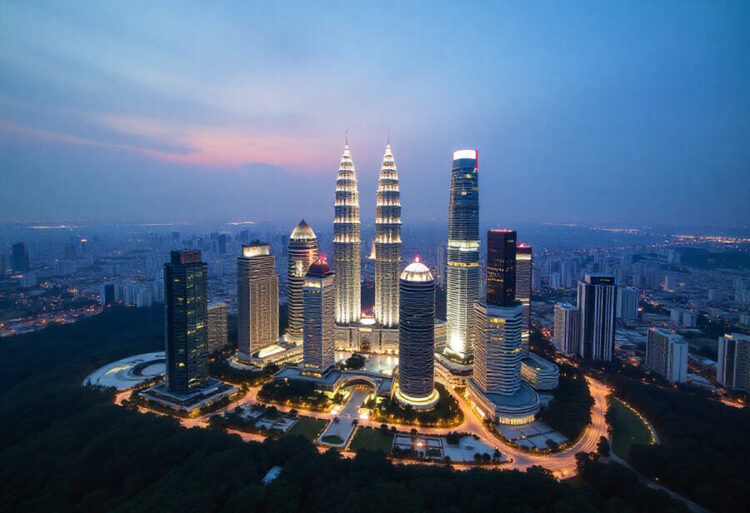
Singapore Beats China, Thailand, India, And Brunei To Become Premier Destination For Malaysia Touris...
Article Summary:
Singapore has emerged as the leading source of international tourists to Malaysia, surpassing China, Thailand, India, and Brunei. This shift is primarily attributed to Singapore’s visa-free travel policy and the enhanced connectivity between Asia’s key destinations. The surge in visitors is facilitated by direct flights to Malaysian cities such as Penang, Sabah, and Kuala Lumpur. As Malaysia prepares for its Visit Malaysia 2026 campaign, this trend underscores the importance of seamless travel policies and improved connectivity in boosting tourism.
Key Points:
Actionable Takeaways:
Contextual Insights:
The article reflects current industry trends emphasizing the importance of travel policies and connectivity in shaping tourism destinations. Singapore’s success story underscores the potential impact of strategic travel policies on tourism growth. As the travel industry continues to evolve, the integration of seamless visa processes and enhanced connectivity is likely to remain a critical factor in attracting international tourists. This aligns with broader industry insights that highlight the role of technology and policy in driving tourism growth, particularly in the context of the Visit Malaysia 2026 campaign.
Read the Complete Article.
Boutique Travel VC raises investment cap from $1.5M to $10M to lead rounds and support portfolio companies through growth Travel...
Read moreDetails




