







No products in the cart.
- Latest
- Trending

Singapore Tourism Indonesia: Malaysia Records 42M+ Visitors as Asian Airlines Surge Routes
Comprehensive Summarization:
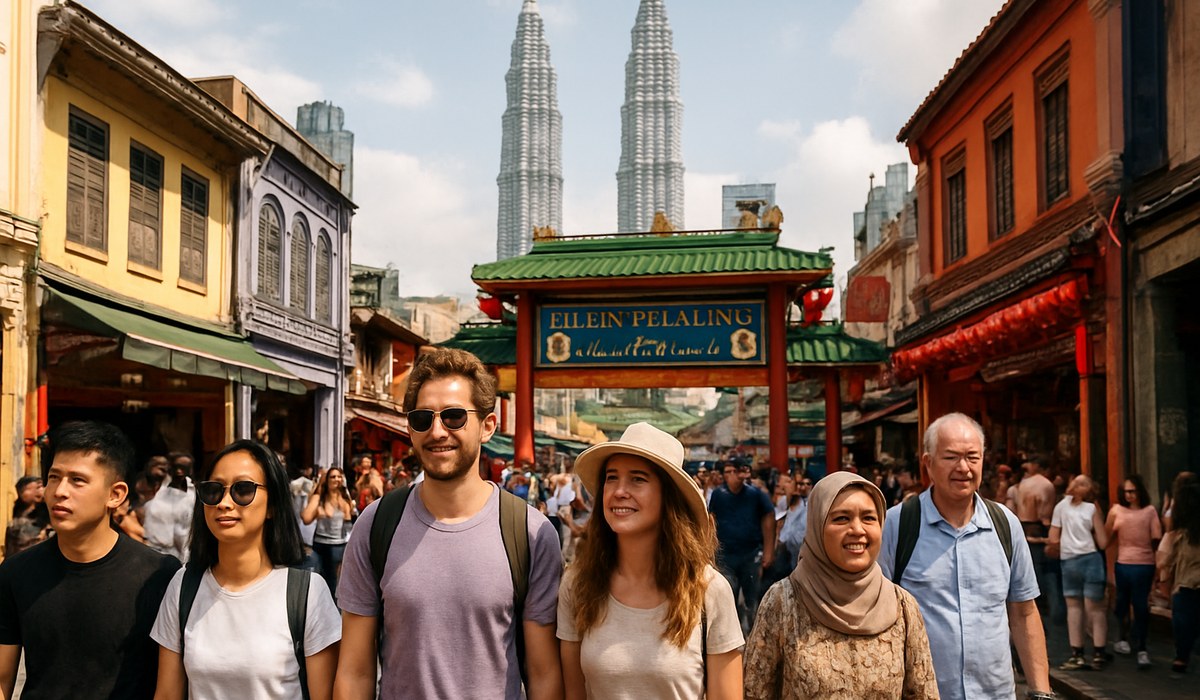
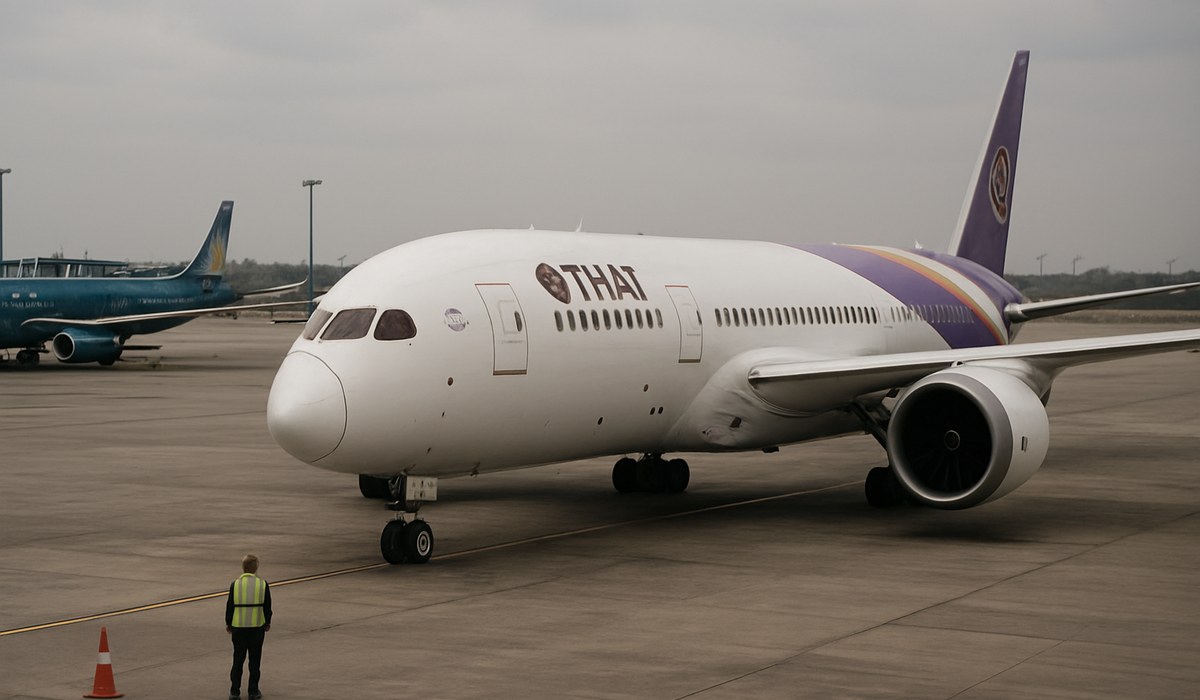
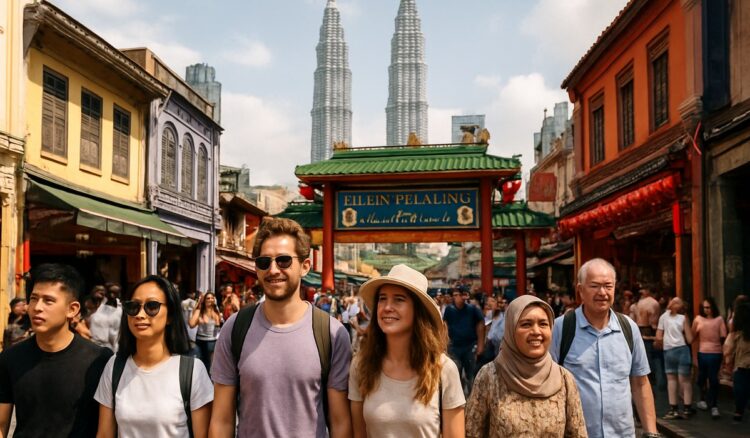
Malaysia has achieved a historic milestone in 2026 by welcoming 42.19 million international tourists, marking a significant surge in travel demand. This achievement has prompted major global carriers to expand their flight networks across Southeast Asia, reflecting a broader trend of increased travel activity from key source markets such as Singapore, Indonesia, China, Germany, and the United Kingdom. The surge in tourism has fundamentally reshaped airline capacity and hospitality infrastructure in the region, creating what industry analysts are calling the “Asia-Pacific Golden Triangle.” This phenomenon extends beyond Malaysia, indicating a broader regional growth in tourism and travel infrastructure.
Key Points:
Actionable Takeaways:
Expansion of Airline Networks: The record-breaking tourist arrivals have prompted major global carriers to expand their flight networks across Southeast Asia. This expansion is likely to enhance connectivity and accessibility, making travel to the region more convenient for tourists from key source markets. This trend could lead to increased competition among airlines, potentially driving down fares and improving service quality for travelers.
Growth of the Asia-Pacific Golden Triangle: The convergence of tourism from Singapore, Indonesia, China, Germany, and the United Kingdom into the “Asia-Pacific Golden Triangle” indicates a significant regional growth trend. This expansion could lead to increased investment in tourism infrastructure, such as hotels, transportation, and attractions, benefiting local economies. Travel startups and fintech companies may find opportunities in developing innovative solutions to support this growing market, such as travel booking platforms, digital payment systems, and personalized travel experiences.
Investment in Hospitality Infrastructure: The surge in tourist arrivals necessitates significant upgrades in hospitality infrastructure. This could present opportunities for travel tech companies to develop solutions that streamline hotel bookings, enhance guest experiences, and optimize resource management in hotels. Additionally, there may be a push for sustainable and eco-friendly hospitality solutions to cater to the growing demand for responsible travel.
Contextual Understanding:
The article reflects the current state of the travel industry, characterized by a surge in international tourism driven by favorable economic conditions and growing travel demand from key source markets. The expansion of airline networks and the development of the “Asia-Pacific Golden Triangle” highlight the interconnectedness of global travel markets and the importance of regional cooperation in driving tourism growth. The focus on hospitality infrastructure upgrades underscores the industry’s response to increased travel demand, emphasizing the need for sustainable and efficient solutions to accommodate more visitors.
In terms of emerging trends, the article aligns with the broader trend of digital transformation in the travel sector, where technology plays a crucial role in enhancing travel experiences and operational efficiencies. The rise of the Asia-Pacific Golden Triangle also reflects a shift towards regional tourism hubs, indicating a potential reconfiguration of global travel patterns and a greater emphasis on cross-regional connectivity.
Handling Different Article Types:
The article provided is a news blurb, offering factual information about Malaysia’s record-breaking tourist arrivals and the subsequent industry impacts. For opinion pieces or feature articles, the approach would involve analyzing the author’s perspective, evaluating the implications of the discussed trends, and considering potential future developments. However, given the constraints of the provided article, the analysis remains focused on the factual information and actionable insights directly derived from the content.
Read the Complete Article.
Get curated travel AI insights — choose the newsletters that matter to you.
ALTOUR Expands into Thailand, Strengthening Corporate Travel Network Across Southeast Asia BANGKOK, THAILAND (25 March, 2026) – ALTOUR, a leading...
Read moreDetails


Comprehensive Summarization: Malaysia has achieved a historic milestone in 2026 by welcoming 42.19 million international tourists, marking a significant surge...
Read moreDetails