





















Travel Capitalist Ventures Expands Check Size to $10 Million to Deepen Emerging Market Conviction
Boutique Travel VC raises investment cap from $1.5M to $10M to lead rounds and support portfolio companies through growth Travel...
Read moreDetails
Singapore Tourism Revenue Hits Record Levels, Surpassing Projections: What New Updates You Need to K...
Comprehensive Summarization:
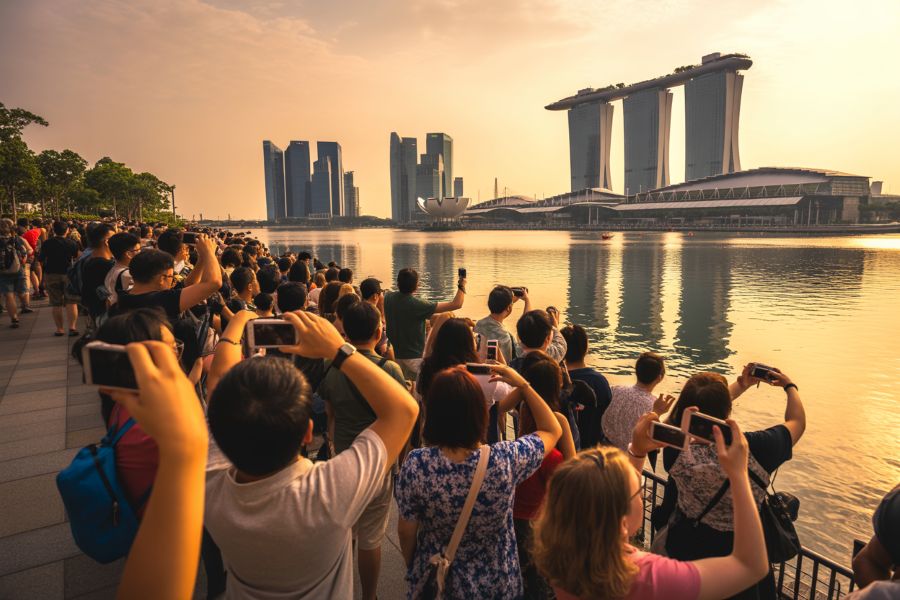
Singapore’s tourism industry has achieved a significant milestone, surpassing projections with tourism receipts reaching SGD 23.9 billion in the first three quarters of 2026. This record-breaking figure marks a major achievement in the post-pandemic recovery period. The surge in tourism receipts is primarily attributed to a rise in international visits, with China, Malaysia, and India being the most notable contributors. The article highlights the importance of this development for the travel industry, signaling a strong recovery and potential for further growth in the region.
Key Points:
Actionable Takeaways:
Investment in International Marketing: Given the significant contribution of China, Malaysia, and India to Singapore’s tourism revenue, there is an actionable takeaway for tourism boards and travel agencies to intensify marketing efforts targeting these regions. This could involve targeted campaigns, partnerships with local travel agencies, and promotional offers tailored to the preferences of travelers from these countries.
Focus on Post-Pandemic Recovery Strategies: The article underscores the importance of strategies aimed at post-pandemic recovery in the travel industry. Businesses should consider investing in digital platforms and contactless services to enhance the travel experience, ensuring safety and convenience for international visitors. This aligns with broader industry trends towards digital transformation and safety-first approaches.
Contextual Insights:
The record-breaking tourism revenue in Singapore is a testament to the resilience and adaptability of the travel industry in the wake of the pandemic. The significant contributions from China, Malaysia, and India highlight the importance of regional partnerships and cross-border travel in driving tourism growth. As the world continues to recover from the pandemic, there is a growing emphasis on safety, digital innovation, and personalized travel experiences. These factors are likely to shape future trends in the travel industry, with a focus on sustainable tourism practices and enhanced customer experiences. Thought leaders in the travel sector are likely to advocate for investments in technology and infrastructure that support these trends, ensuring that destinations like Singapore continue to attract international visitors and thrive in the post-pandemic era.
Read the Complete Article.
Boutique Travel VC raises investment cap from $1.5M to $10M to lead rounds and support portfolio companies through growth Travel...
Read moreDetails



Comprehensive Summarization: American Airlines has announced significant changes to its flight schedule at Dallas/Fort Worth International Airport (DFW), the airline's...
Read moreDetails
