























Travel Capitalist Ventures Expands Check Size to $10 Million to Deepen Emerging Market Conviction
Boutique Travel VC raises investment cap from $1.5M to $10M to lead rounds and support portfolio companies through growth Travel...
Read moreDetails

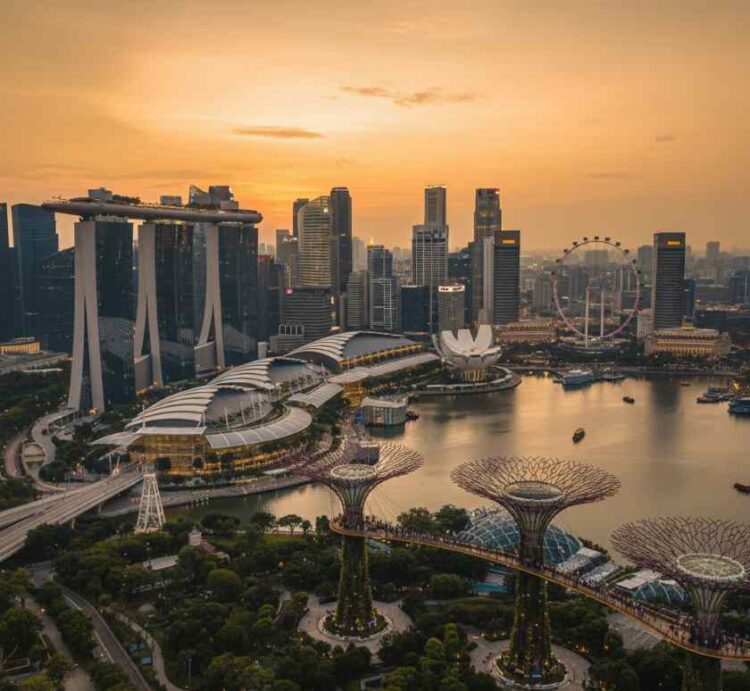
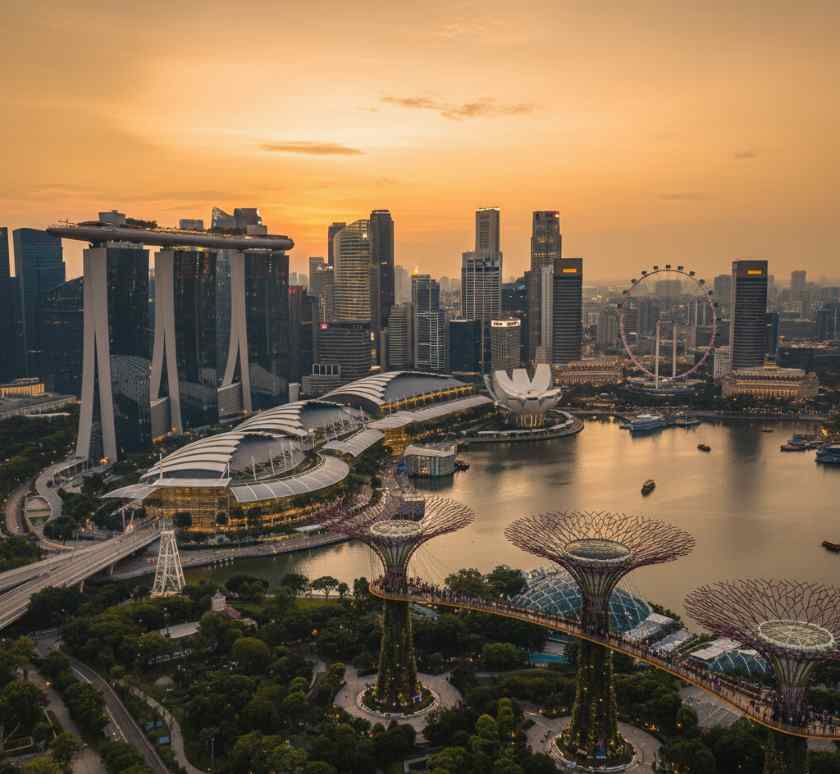
Singapore Tourism Now Booms as Chinese Travelers Redirect After Japan Travel Cancellations
Article Summary:
The article reports a significant shift in travel bookings towards Singapore due to an influx of Chinese tourists, following a decrease in travel to Japan caused by a diplomatic crisis between the two countries. This change is attributed to the cancellation of approximately 30% of the 1.44 million scheduled trips to Japan by the end of December 2025, resulting in an estimated loss of USD 1.2 billion for Japan. In contrast, Singapore and other Southeast Asian countries, including South Korea, Thailand, Malaysia, and Vietnam, are experiencing a surge in new travel bookings. The article highlights the ongoing impact of geopolitical events on international travel patterns and the resilience of Singapore’s tourism sector in attracting Chinese travelers.
Key Points:
Actionable Takeaways:
Contextual Insights:
The article underscores the profound impact of geopolitical events on the travel industry, particularly in terms of travel destination preferences and booking patterns. The shift in travel bookings from Japan to Singapore reflects a broader trend where geopolitical tensions can lead to rapid changes in consumer behavior. This context is crucial for travel industry stakeholders, as it highlights the need for agility and adaptability in response to global events. Furthermore, the surge in travel to Southeast Asian countries indicates a growing interest in these regions, driven by factors such as favorable travel policies, cultural attractions, and perceived safety. For travel startups and fintech innovators, this presents an opportunity to develop solutions that address the evolving needs of travelers in a rapidly changing geopolitical landscape. By integrating real-time data on geopolitical risks and travel trends, these companies can offer more informed and personalized travel services, thereby enhancing their competitive edge in the market.
Read the Complete Article.
Boutique Travel VC raises investment cap from $1.5M to $10M to lead rounds and support portfolio companies through growth Travel...
Read moreDetails




