




















Travel Capitalist Ventures Expands Check Size to $10 Million to Deepen Emerging Market Conviction
Boutique Travel VC raises investment cap from $1.5M to $10M to lead rounds and support portfolio companies through growth Travel...
Read moreDetails
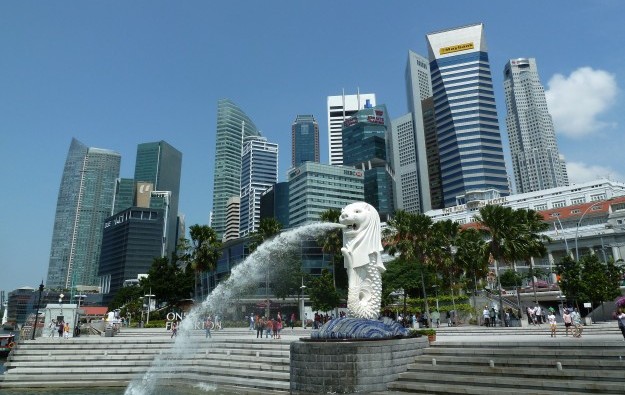
Singapore’s Jan to Nov visitor tally 15.6mln, up 3pct y-o-y but overnighter volume flat
Article Summary:
Singapore’s tourism sector saw a 4.8% increase in November visitors compared to the previous year, reaching 1.29 million. This brought the total overseas arrivals for the first 11 months of the year to 15.55 million, marking a 2.7% increase year-on-year. However, the number of overnight visitors remained flat at 11.50 million for the year to November 30. The average length of stay for November visitors decreased by 6.7% year-on-year to 3.30 days, while the average stay for the January to November period was 3.49 days, down 2.2% year-on-year.
Key Points:
Actionable Takeaways:
Contextual Insights:
The article reflects the ongoing challenges and opportunities in the travel industry, particularly in light of global travel trends and the impact of the pandemic. The slight increase in November visitor numbers, despite a decrease in average stay length, indicates a resilient tourism sector that continues to attract visitors. This resilience is crucial as the industry navigates post-pandemic recovery. The focus on enhancing visitor experiences aligns with broader industry trends towards personalized and immersive travel experiences. Furthermore, the data underscores the importance of leveraging detailed visitor statistics for strategic planning and innovation, particularly in the context of emerging technologies and digital transformation in travel.
Read the Complete Article.
Boutique Travel VC raises investment cap from $1.5M to $10M to lead rounds and support portfolio companies through growth Travel...
Read moreDetails




