







No products in the cart.
- Latest
- Trending

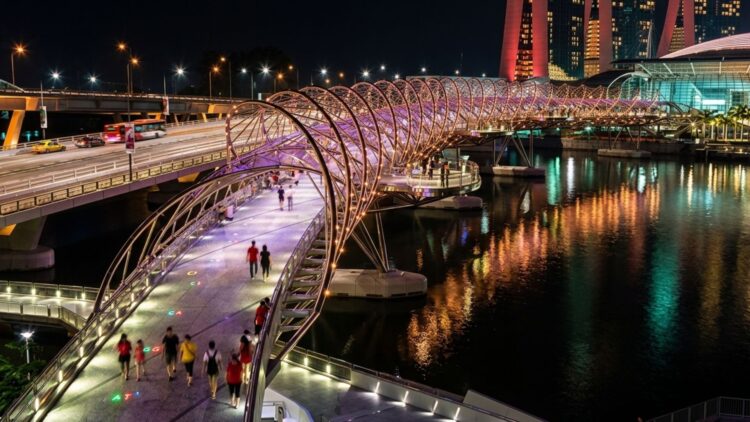
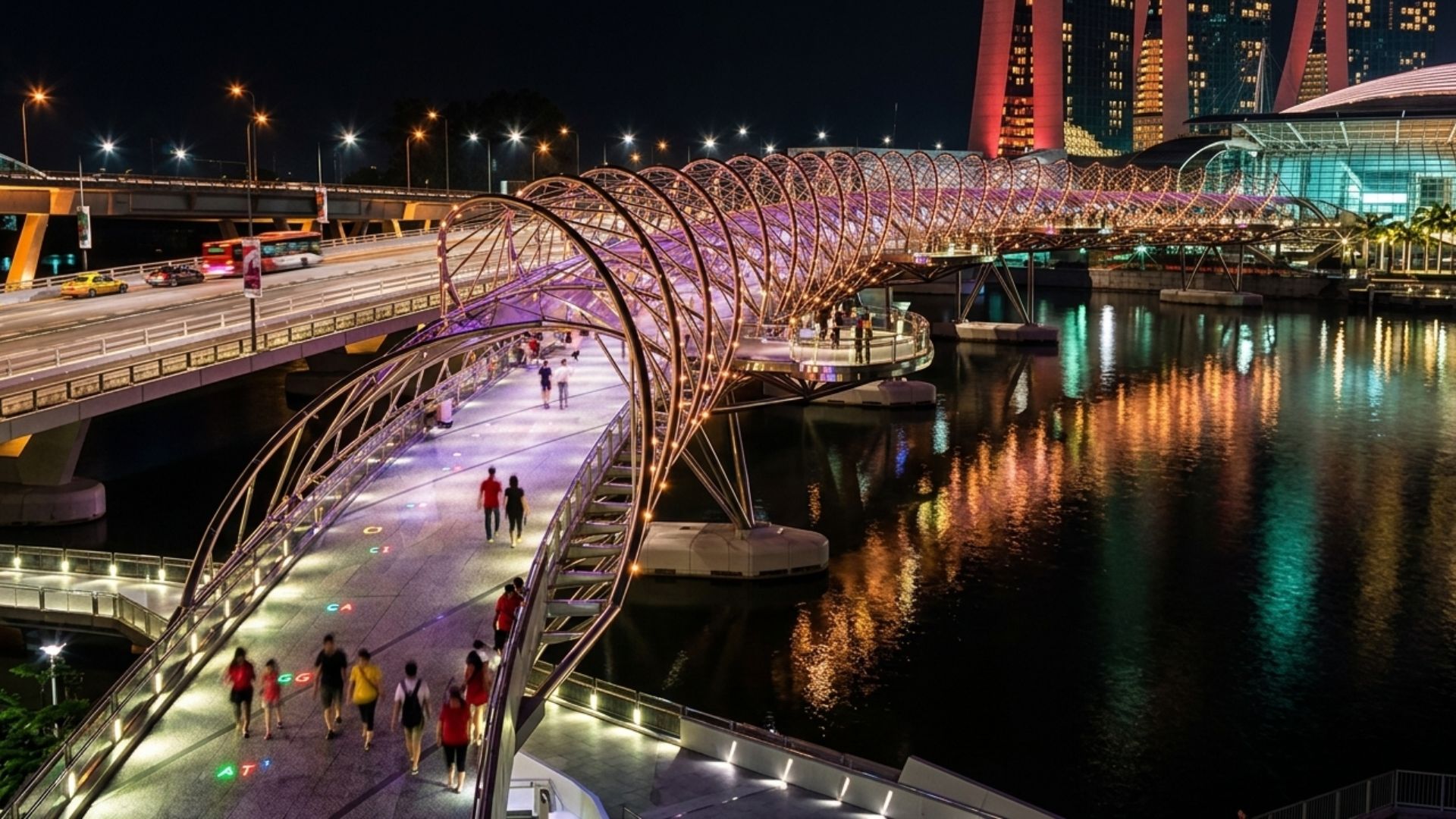
The Helix Bridge, Singapore’s bridge with a DNA-inspired design, stands out for its curved metal structure and view of the Marina Bay skyline/ Illustrative Image
Comprehensive Summarization:
The article discusses the Helix Bridge in Singapore, a renowned icon of contemporary architecture that has revolutionized urban experience and tourism through its innovative design. The bridge, inaugurated in 2010, spans 280 meters and is constructed using over 650 tons of duplex stainless steel, showcasing a unique DNA shape that not only attracts attention but also plays a crucial role in its engineering. This architectural marvel combines structural innovation with visual appeal, significantly impacting the urban landscape and local tourism in Singapore.
Key Points:
Actionable Takeaways:
Innovative Architecture in Tourism: The Helix Bridge exemplifies how innovative architectural designs can enhance urban experiences and boost tourism. Travel companies and urban planners can draw inspiration from this case to incorporate unique architectural elements in their projects to attract tourists and enhance local economies.
Material Innovation in Construction: The use of duplex stainless steel in the bridge’s construction underscores the importance of material innovation in construction. Travel and tourism stakeholders can explore the benefits of using advanced materials in their projects to ensure durability, sustainability, and aesthetic appeal, potentially setting new standards in the industry.
Contextual Insights:
The Helix Bridge’s integration of DNA-inspired design with advanced materials reflects a broader trend in the travel industry towards innovation and sustainability. As the industry continues to evolve, there is a growing emphasis on creating unique, memorable experiences that leverage cutting-edge technology and materials. This trend is likely to influence future developments in travel infrastructure, encouraging the adoption of innovative designs that not only captivate tourists but also contribute to sustainable urban development. Furthermore, the bridge’s impact on local tourism highlights the potential of architectural innovations to drive economic growth and enhance the overall visitor experience, a key consideration for travel startups and related sectors aiming to stay competitive in a rapidly changing market.
Read the Complete Article.
Get curated travel AI insights — choose the newsletters that matter to you.
ALTOUR Expands into Thailand, Strengthening Corporate Travel Network Across Southeast Asia BANGKOK, THAILAND (25 March, 2026) – ALTOUR, a leading...
Read moreDetails


Comprehensive Summarization: The article discusses the Helix Bridge in Singapore, a renowned icon of contemporary architecture that has revolutionized urban...
Read moreDetails