




















Travel Capitalist Ventures Expands Check Size to $10 Million to Deepen Emerging Market Conviction
Boutique Travel VC raises investment cap from $1.5M to $10M to lead rounds and support portfolio companies through growth Travel...
Read moreDetails
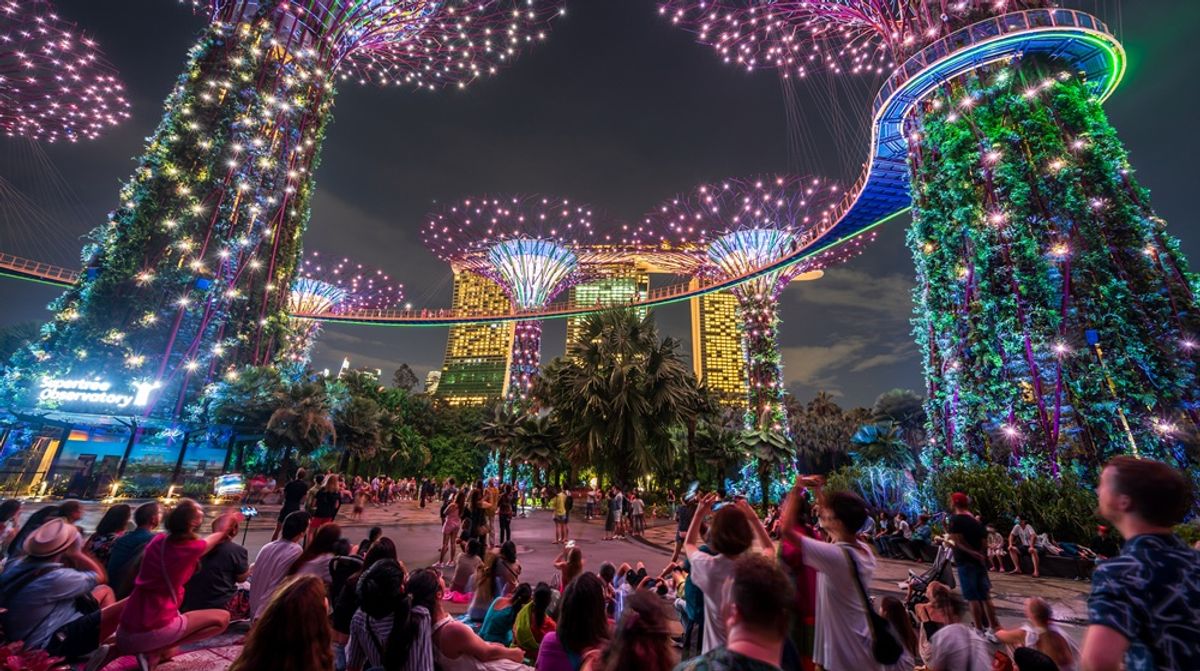
Quality tourism drive pays off for Singapore: Travel Weekly Asia
Comprehensive Summarization:
In 2025, Singapore’s tourism sector delivered impressive performance, with tourism receipts reaching S$23.9 billion (US$18.8 billion) in the first three quarters, marking a 6.5% year-on-year increase and the highest recorded for the same period. This surge in revenue underscores Singapore’s status as a premium destination, bolstered by resilient demand and strong visitor spending. International visitor arrivals rose by 2.3% year-on-year to 16.9 million, with Mainland China leading as the top source market, followed by Indonesia, Malaysia, Australia, and India. Visitor spending remained robust, with the largest shares allocated to accommodation, reflecting the continued appeal of Singapore as a premium travel destination.
Key Points:
Actionable Takeaways:
Leverage Premium Destination Status: Singapore’s tourism sector can capitalize on its premium destination status by continuing to market its unique offerings and high-quality experiences to attract more international visitors. This could involve enhancing marketing campaigns, improving visitor services, and ensuring the city remains a safe and welcoming environment for tourists.
Diversify Source Markets: While Mainland China remains the top source market, diversifying the source markets could further bolster tourism revenue. Strategies could include targeted marketing campaigns to attract visitors from other high-spending regions such as Indonesia, Australia, and India, thereby reducing dependency on a single market and mitigating risks associated with fluctuating demand.
Optimize Accommodation Spending: Given that accommodation accounted for the largest share of visitor spending, there is an opportunity to optimize this segment. This could involve improving hotel offerings, enhancing amenities, and offering competitive pricing to attract more visitors. Additionally, exploring innovative accommodation options such as boutique stays, serviced apartments, or unique experiences could further enhance visitor spending.
Contextual Insights:
The impressive performance of Singapore’s tourism sector in 2025 is indicative of the city’s strategic positioning as a premium travel destination. The 6.5% year-on-year increase in tourism receipts, coupled with a 2.3% rise in international visitor arrivals, highlights the resilience and attractiveness of Singapore amidst global travel uncertainties. The leading source markets, particularly Mainland China, underscore the importance of maintaining strong relationships with key regional markets. As the travel industry continues to evolve, with a growing emphasis on digital experiences and personalized services, Singapore’s focus on delivering high-quality accommodation and unique visitor experiences will be crucial in sustaining its premium status. Furthermore, the robust spending on accommodation suggests that travelers are willing to invest in premium lodging options, presenting opportunities for hotels and accommodation providers to innovate and enhance their offerings. Overall, the article reflects a forward-looking perspective on the travel industry, emphasizing the importance of leveraging premium positioning, diversifying markets, and optimizing key spending segments to drive sustained growth.
Read the Complete Article.
Boutique Travel VC raises investment cap from $1.5M to $10M to lead rounds and support portfolio companies through growth Travel...
Read moreDetails



Comprehensive Summarization: American Airlines has announced significant changes to its flight schedule at Dallas/Fort Worth International Airport (DFW), the airline's...
Read moreDetails
