





















Travel Capitalist Ventures Expands Check Size to $10 Million to Deepen Emerging Market Conviction
Boutique Travel VC raises investment cap from $1.5M to $10M to lead rounds and support portfolio companies through growth Travel...
Read moreDetails

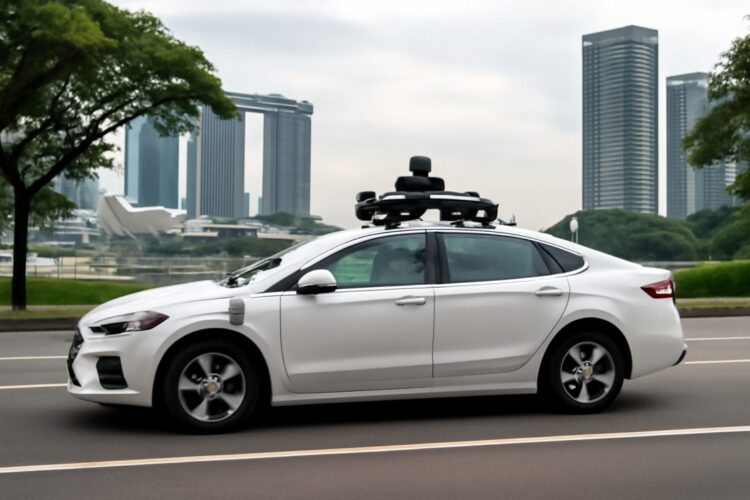
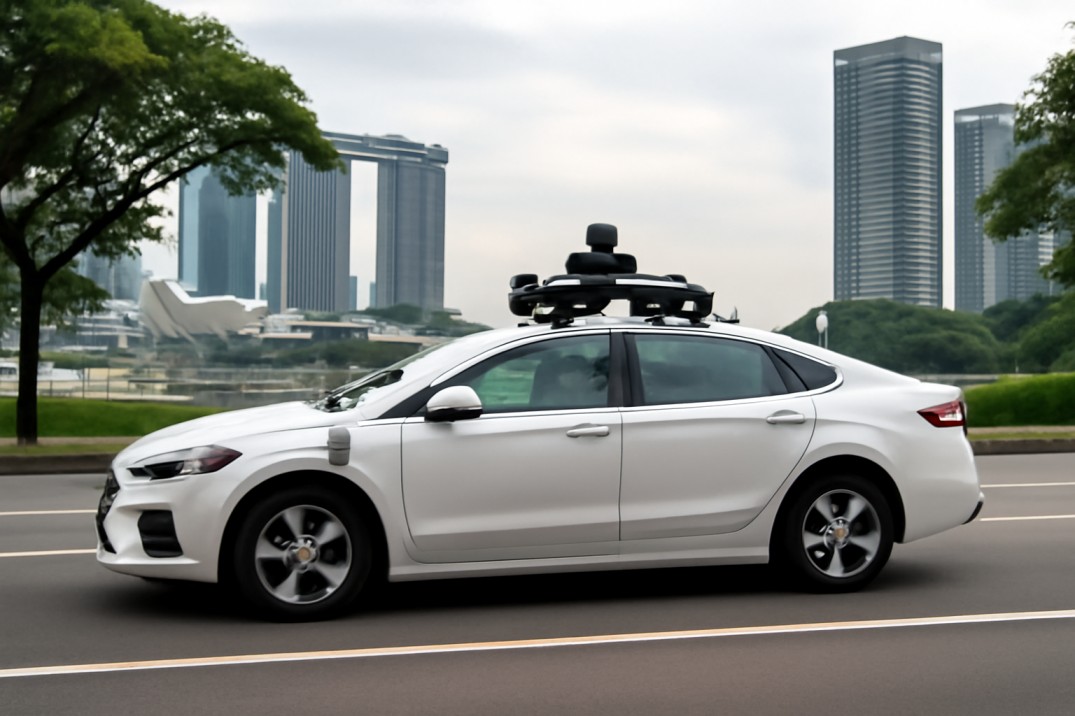
Singapore’s Robotaxi Dreams Delayed: How It Will Affect Tourism in 2028
Article Summary:
Singapore’s ambitious plans for a fully operational robotaxi fleet are facing a significant setback, with the government stating that such a deployment is unlikely to occur within the next five years. This delay could have substantial implications for the tourism industry, which had been anticipating the arrival of self-driving taxis. Tourists, who often seek modern and innovative travel options, may be disappointed as robotaxis remain years away from mass deployment.
Key Points:
Actionable Takeaways:
Contextual Insights:
The delay in Singapore’s robotaxi deployment underscores the complex interplay between technological advancements, regulatory frameworks, and market expectations in the travel industry. While autonomous vehicles represent a significant innovation with the potential to transform travel experiences, the timeline for mass deployment is heavily influenced by regulatory approvals, technological maturity, and public acceptance. For the tourism industry, this delay highlights the importance of diversifying travel options and investing in alternative transportation solutions that can meet the evolving expectations of modern travelers. Additionally, the situation emphasizes the need for continuous monitoring of government policies and technological advancements to adapt strategies proactively and capitalize on emerging opportunities in the travel tech sector.
Read the Complete Article.
Boutique Travel VC raises investment cap from $1.5M to $10M to lead rounds and support portfolio companies through growth Travel...
Read moreDetails




