



















Travel Capitalist Ventures Expands Check Size to $10 Million to Deepen Emerging Market Conviction
Boutique Travel VC raises investment cap from $1.5M to $10M to lead rounds and support portfolio companies through growth Travel...
Read moreDetails
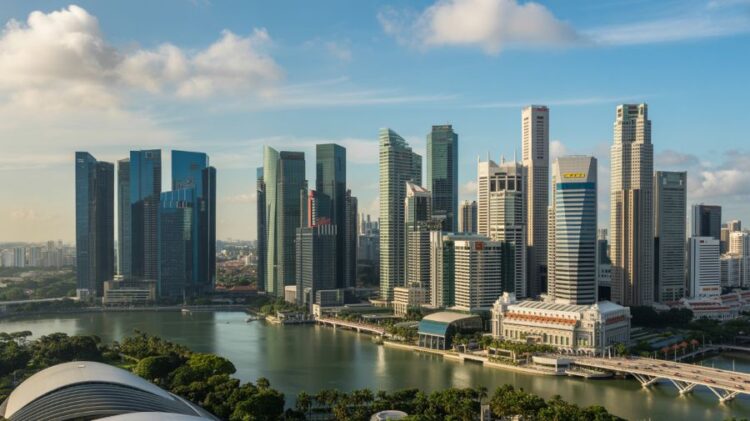
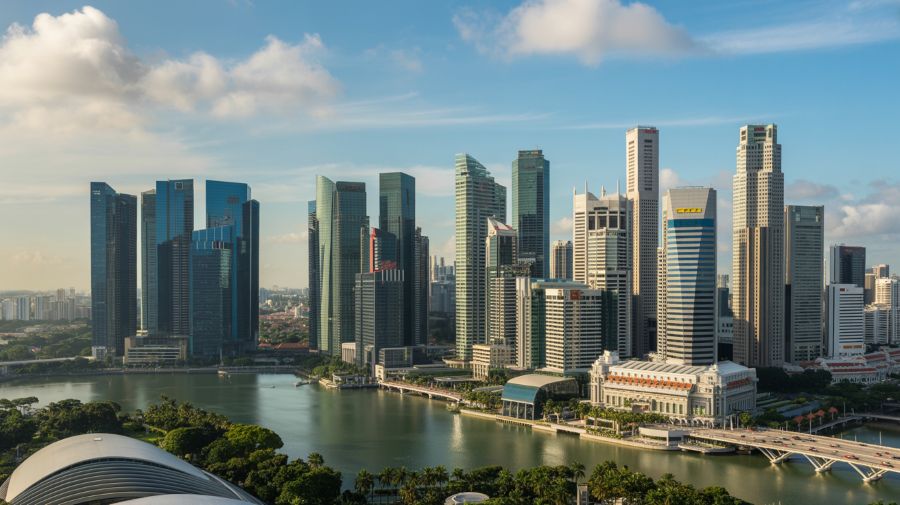
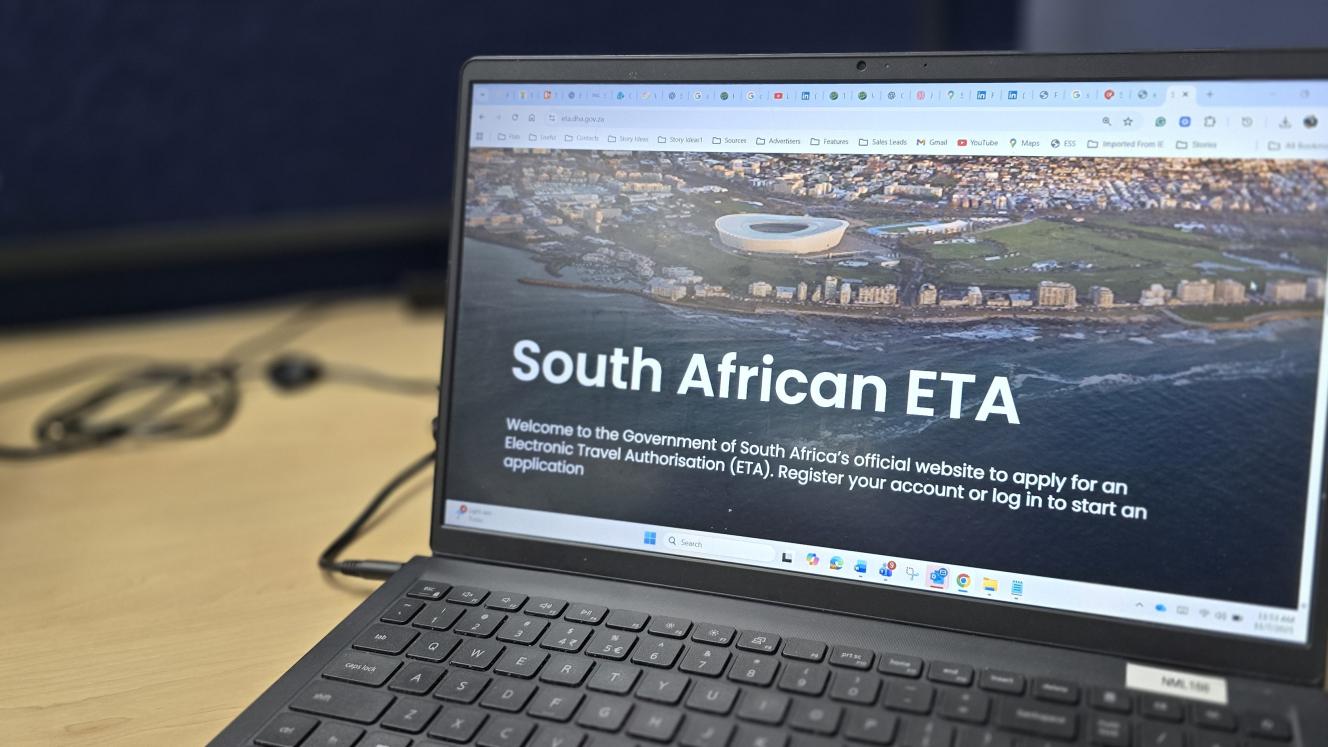
South Africa Seeks Tourism and Hotel Investment Opportunities in Singapore to Boost Economic Growth:...
Comprehensive Summarization:
South Africa is actively seeking tourism and hotel investment opportunities in Singapore to boost its economic growth. As part of a broader strategy to enhance its tourism sector, South African officials recently hosted meetings with stakeholders from Singapore, focusing on promoting tourism infrastructure development, including hotel projects and mixed-use tourism assets. The initiative aims to showcase South Africa’s portfolio of tourism investment and hotel development opportunities, highlighting the country’s commitment to attracting foreign direct investment (FDI) in the tourism sector.
Key Points:
Actionable Takeaways:
Enhance Singapore as a Tourism Investment Hub: South Africa should continue leveraging Singapore as a platform for attracting international investment in the tourism sector. This includes strengthening partnerships with Singaporean stakeholders to promote tourism infrastructure development, such as hotel projects and mixed-use assets. This approach can help South Africa tap into Singapore’s robust financial and logistical networks, facilitating easier access to global markets and investors.
Focus on Mixed-Use Tourism Assets: The emphasis on mixed-use tourism assets suggests a trend towards integrating tourism with other economic activities, such as retail, hospitality, and entertainment. Travel industry stakeholders should explore opportunities to develop mixed-use projects that can drive higher foot traffic and revenue. This strategy aligns with broader industry trends towards creating multifunctional spaces that cater to both tourists and local residents, thereby enhancing the overall tourism experience and economic impact.
Contextual Insights:
The article reflects the ongoing global trend of countries leveraging international partnerships to boost their tourism sectors and stimulate economic growth. South Africa’s initiative to seek investment opportunities in Singapore is indicative of a broader strategy to diversify its investment landscape and reduce dependency on traditional markets. This move aligns with current industry trends emphasizing the importance of global connectivity and cross-border collaborations in driving tourism development.
Moreover, the focus on hotel projects and mixed-use assets underscores the growing importance of integrated tourism infrastructure. As the travel industry continues to evolve, there is a shift towards creating holistic tourism experiences that go beyond traditional hotel stays. This includes incorporating elements of retail, dining, and entertainment within hotel complexes, thereby enhancing visitor satisfaction and encouraging longer stays.
In the context of travel tech and fintech, the initiative presents an opportunity for startups and established companies to explore innovative solutions that facilitate investment processes, such as digital payment systems, blockchain-based transactions, and virtual reality tours. These technologies can streamline the investment journey for both South African and Singaporean stakeholders, making the process more efficient and transparent.
Overall, the article highlights the dynamic nature of the travel industry, where strategic partnerships, technological innovations, and market diversification are key drivers of growth and sustainability. By capitalizing on these elements, South Africa can position itself as a leading destination for tourism investment, thereby reaping the economic benefits of a thriving tourism sector.
Read the Complete Article.
Boutique Travel VC raises investment cap from $1.5M to $10M to lead rounds and support portfolio companies through growth Travel...
Read moreDetails



Comprehensive Summarization: VINCI Airports has reaffirmed its commitment to collaborating with the Royal Government of Cambodia to further develop the...
Read moreDetails