




No products in the cart.
- Latest
- Trending

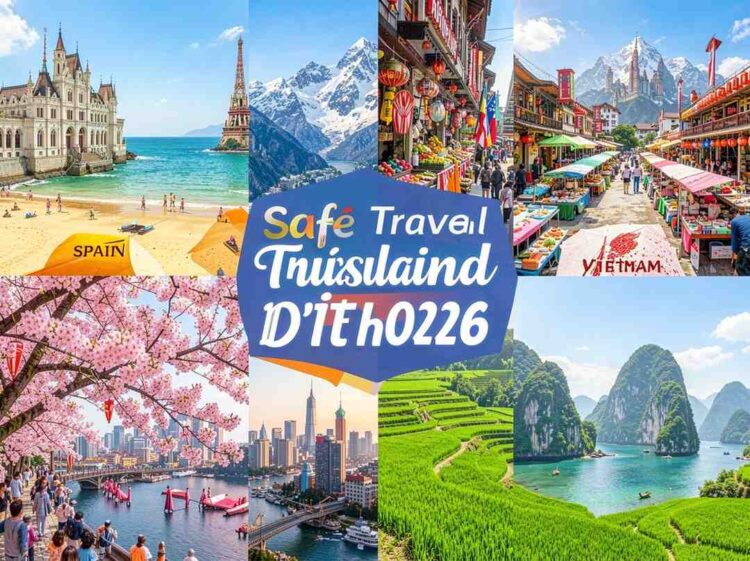
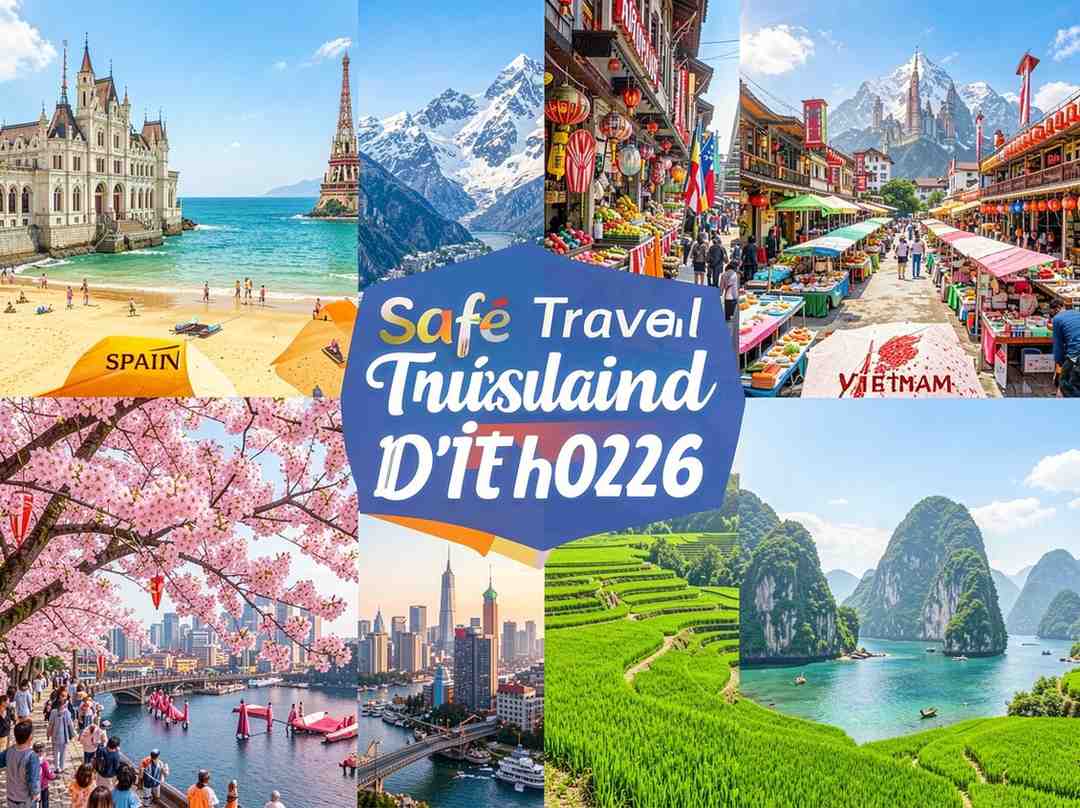
Spain joins Switzerland, Thailand, Japan, Singapore, Italy & Vietnam to Overtake Traditional Hubs — ...
Comprehensive Summarization:
The article highlights a significant shift in the global tourism landscape, driven by the ongoing Iran-Israel conflict. Spain, Switzerland, Thailand, Japan, Singapore, Italy, and Vietnam have emerged as top destinations for Indian travelers seeking safer and more stable getaways in 2026. This shift is particularly notable as traditional hubs in the Middle East face airspace disruptions and safety risks. The article underscores the growing demand for these destinations amidst heightened geopolitical instability, signaling a potential reconfiguration of travel preferences and market dynamics in the travel industry.
Key Points:
Geopolitical Shift in Travel Destinations: The ongoing conflict between Iran and Israel has led to a reevaluation of travel destinations by Indian tourists, with Spain, Switzerland, Thailand, Japan, Singapore, Italy, and Vietnam gaining prominence as safer alternatives.
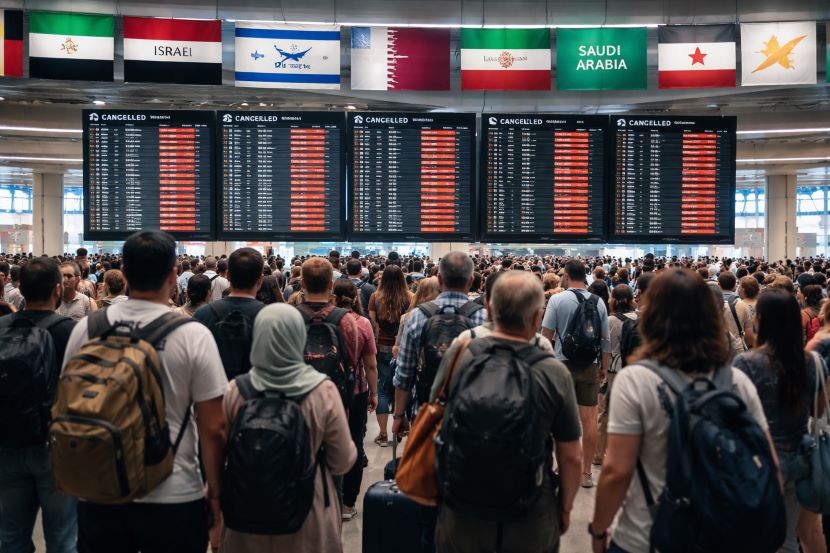
Traditional Hubs Under Pressure: Traditional tourist hubs in the Middle East are experiencing disruptions, including airspace restrictions and safety concerns, prompting a shift in travel preferences among Indian travelers.
Market Dynamics: The surge in demand for alternative destinations reflects broader market dynamics, where geopolitical events can significantly influence travel trends and consumer behavior.
Actionable Takeaways:
Diversification of Travel Markets: Travel agencies and destination marketers should diversify their offerings to include emerging destinations like Spain, Switzerland, Thailand, Japan, Singapore, Italy, and Vietnam. This strategy can help mitigate risks associated with traditional hubs affected by geopolitical tensions.
Enhanced Safety and Security Measures: Given the heightened focus on safety, travel service providers should invest in robust safety protocols and transparent communication about destination risks. This can enhance consumer confidence and drive bookings to safer destinations.
Leveraging Technology for Real-Time Updates: Incorporating real-time travel advisories and safety updates into travel planning platforms can provide travelers with the information they need to make informed decisions. This aligns with the trend of using technology to enhance the travel experience and address safety concerns.
Contextual Insights:
The article’s context is deeply rooted in the current geopolitical climate, particularly the Iran-Israel conflict, which has prompted a reevaluation of travel destinations. This shift is indicative of a broader trend where geopolitical events can rapidly alter consumer behavior and market dynamics within the travel industry. The rise of alternative destinations reflects a growing awareness among travelers about safety and stability, a factor that is increasingly being prioritized in travel planning. Furthermore, the article highlights the importance of technological advancements in providing real-time information, which is crucial for navigating the uncertainties brought about by geopolitical tensions. As the travel industry continues to evolve, staying attuned to such shifts and leveraging technology for enhanced service delivery will be key to sustaining growth and meeting the demands of modern travelers.
Read the Complete Article.
Get curated travel AI insights — choose the newsletters that matter to you.
ALTOUR Expands into Thailand, Strengthening Corporate Travel Network Across Southeast Asia BANGKOK, THAILAND (25 March, 2026) – ALTOUR, a leading...
Read moreDetails


Comprehensive Summarization: The article highlights a significant shift in the global tourism landscape, driven by the ongoing Iran-Israel conflict. Spain,...
Read moreDetails