



















Travel Capitalist Ventures Expands Check Size to $10 Million to Deepen Emerging Market Conviction
Boutique Travel VC raises investment cap from $1.5M to $10M to lead rounds and support portfolio companies through growth Travel...
Read moreDetails
Article Summary:
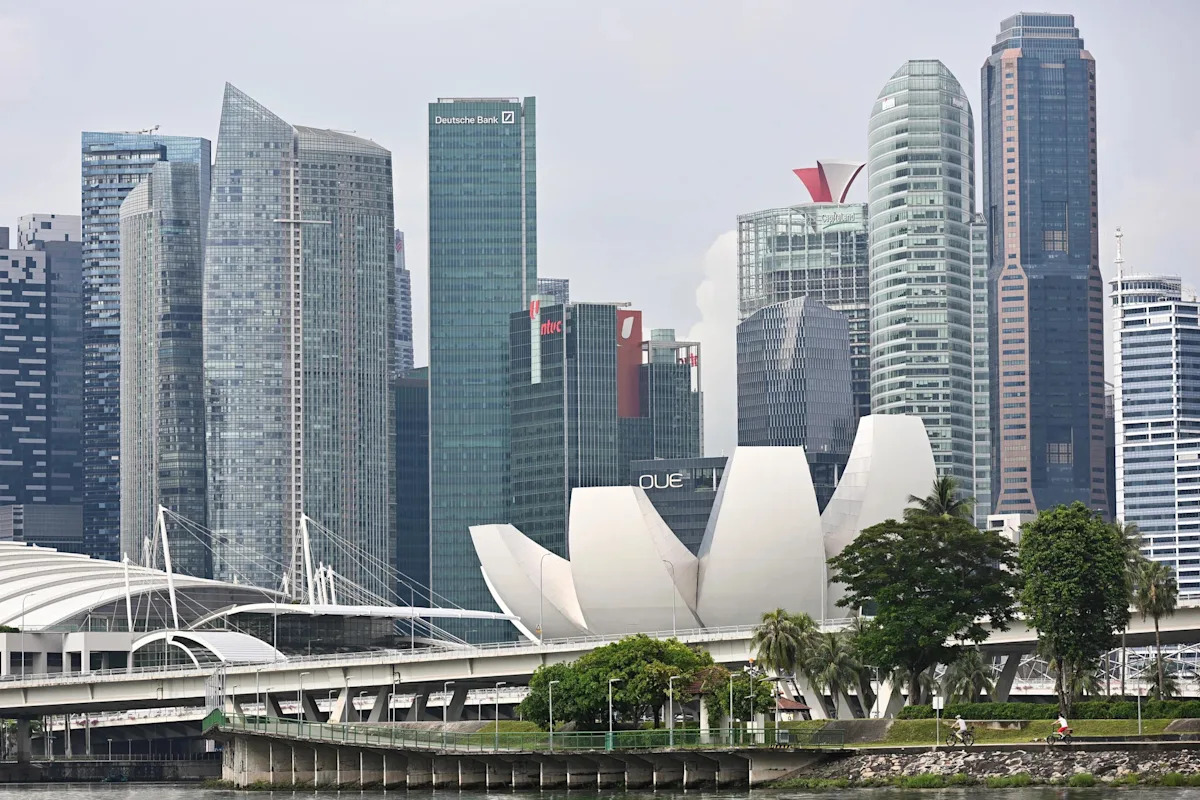
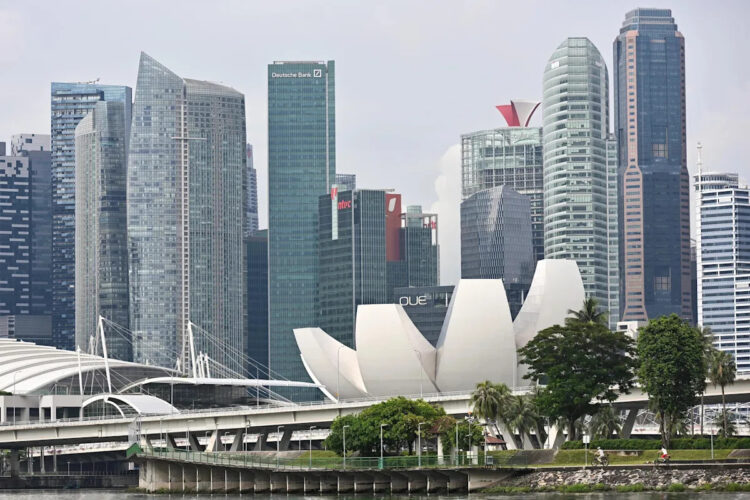
The Singapore Tourism Board (STB) has suspended 10 travel agents for failing to submit required documents, specifically their audited statements of accounts or annual business profile returns. Licensed travel agents are mandated to submit these documents within six months after the close of their financial year. The suspensions, effective December 16, will remain in place until the documents are submitted or for up to six months, whichever occurs first. This action underscores the importance of compliance in the travel industry and the consequences of non-compliance.
Key Points:
Actionable Takeaways:
Contextual Insights:
The suspension of travel agents for non-compliance with document submission requirements underscores the stringent regulatory environment in the travel industry. This action reflects the importance of adherence to regulatory standards, which are crucial for maintaining operational integrity and avoiding penalties. In the context of current travel trends, where digital transformation and compliance technologies are increasingly adopted, this incident serves as a cautionary tale for travel businesses to invest in compliance management systems. The incident also highlights the potential impact on travel startups and fintech innovations, as regulatory compliance becomes a critical factor in market entry and growth. Travel companies that leverage technology to streamline compliance processes may gain a competitive edge, ensuring they meet regulatory requirements efficiently and effectively.
Read the Complete Article.
Boutique Travel VC raises investment cap from $1.5M to $10M to lead rounds and support portfolio companies through growth Travel...
Read moreDetails




