



![African countries feel impact of war on Iran [Africanews Today]](https://images.traveltrade.today/wp-content/uploads/2026/03/Iran-Iraq-Wars-Economic-Impact-on-African-Travel-Industry.jpg)


No products in the cart.
- Latest
- Trending

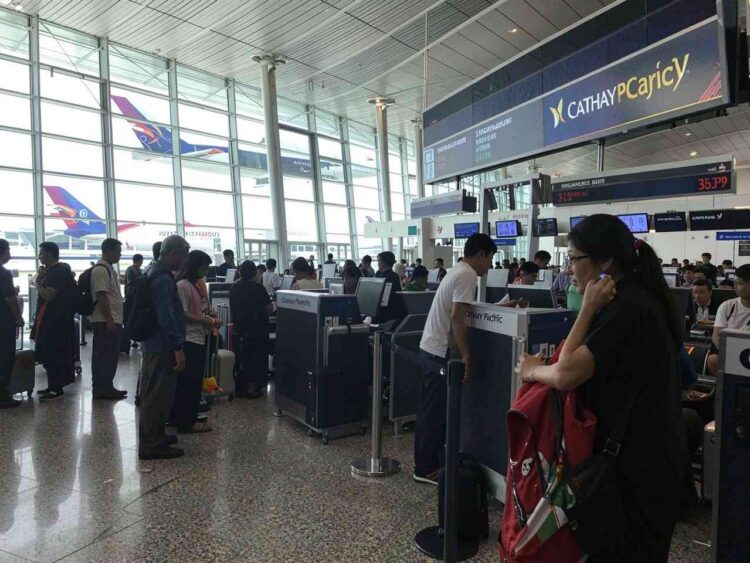
Thailand Joins Malaysia, Singapore, Vietnam, and Cambodia in Tourism Setback as Cathay Pacific and S...
Comprehensive Summarization:
The article highlights a significant tourism setback in Thailand, joining Malaysia, Singapore, Vietnam, and Cambodia, due to an ongoing fuel crisis exacerbated by geopolitical tensions in the Middle East. Major carriers like Cathay Pacific and Singapore Airlines have responded by increasing fares in reaction to soaring jet fuel costs, leading to reduced travel plans. This situation is further compounded by luxury hotels in Southeast Asia struggling to fill rooms. The article underscores the vulnerability of the travel industry to external factors such as fuel price fluctuations and geopolitical instability, impacting both airlines and hospitality sectors.
Key Points:
Actionable Takeaways:
Fare Sensitivity in Travel Planning: Travelers should consider fare sensitivity and potential fare increases when planning trips, especially to regions affected by fuel price volatility. This may lead to a shift in travel preferences towards destinations less impacted by such crises.
Investment in Fuel-Efficient Technologies: Airlines and travel companies should invest in fuel-efficient technologies and sustainable aviation practices to mitigate the impact of fuel price fluctuations. This could include adopting newer, more fuel-efficient aircraft or exploring alternative fuels.
Diversification of Travel Destinations: Travel agencies and tour operators should diversify their offerings to include destinations less affected by fuel crises and geopolitical tensions. This strategy can help maintain steady demand and revenue streams.
Contextual Insights:
The article reflects the current vulnerability of the travel industry to external shocks such as fuel price hikes and geopolitical tensions. These factors underscore the need for the industry to adopt more resilient strategies, including technological innovation and diversification. The rise in airfare prices due to fuel costs is a direct consequence of the broader economic and geopolitical landscape, highlighting the interconnectedness of global markets. As such, the travel industry must remain agile and forward-thinking to navigate these challenges effectively. The focus on sustainable and fuel-efficient solutions aligns with emerging trends in the industry, emphasizing the importance of environmental responsibility alongside financial prudence.
Read the Complete Article.
Get curated travel AI insights — choose the newsletters that matter to you.
ALTOUR Expands into Thailand, Strengthening Corporate Travel Network Across Southeast Asia BANGKOK, THAILAND (25 March, 2026) – ALTOUR, a leading...
Read moreDetails


Comprehensive Summarization: The article highlights a significant tourism setback in Thailand, joining Malaysia, Singapore, Vietnam, and Cambodia, due to an...
Read moreDetails