







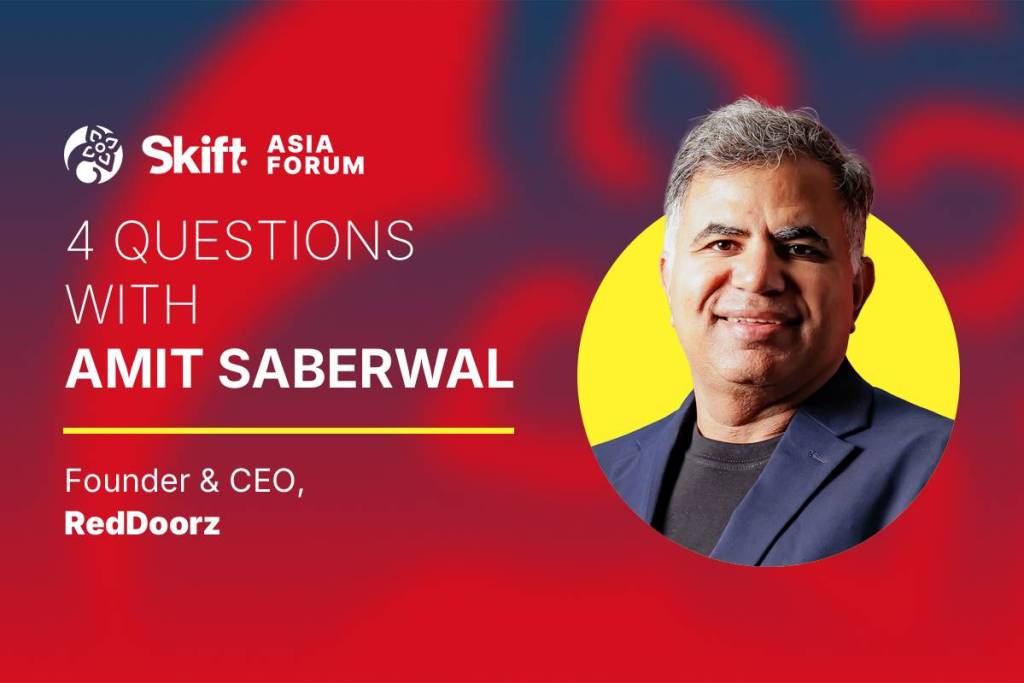









Travel Capitalist Ventures Expands Check Size to $10 Million to Deepen Emerging Market Conviction
Boutique Travel VC raises investment cap from $1.5M to $10M to lead rounds and support portfolio companies through growth Travel...
Read moreDetails
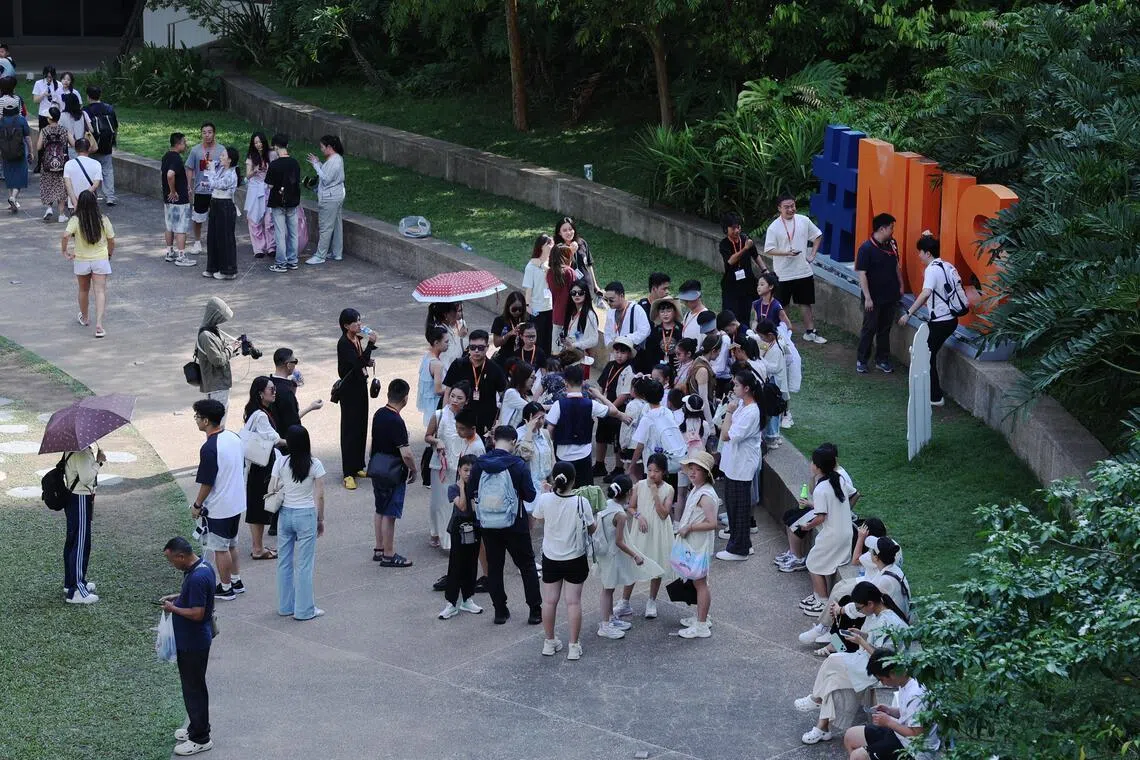
Tourist crowds stabilise at NUS and NTU
Comprehensive Summarization:
The article discusses the stabilization of tourist numbers in Singapore’s two main universities, the National University of Singapore (NUS) and Nanyang Technological University (NTU), following the introduction of tighter visitor management measures a year ago. These measures, aimed at addressing concerns over overcrowding and safety, have been deemed effective by both universities. Students at NUS have reported an improved daily campus experience as a result. The measures, implemented over the past two years, have been well-received by staff and students, indicating a positive shift in the management of visitor traffic to the Kent Ridge campus of NUS.
Key Points:
Actionable Takeaways:
Effective Visitor Management Strategies: The success of the visitor management measures at NUS and NTU suggests that implementing similar strategies in other high-traffic university campuses could help manage overcrowding and enhance safety. This could be particularly relevant for universities experiencing similar tourist influxes.
Importance of Student Feedback: The positive feedback from NUS students regarding their improved campus experience underscores the value of actively seeking and incorporating student perspectives in decision-making processes related to campus management and visitor policies.
Contextual Insights:
The stabilization of tourist numbers in Singapore’s major universities reflects a broader trend in the travel industry towards more controlled and regulated visitor management strategies. This approach is becoming increasingly important as travel demand grows, potentially leading to issues such as overcrowding and safety concerns. The article highlights the effectiveness of such measures, which could serve as a model for other institutions and regions facing similar challenges. Furthermore, the positive reception of these measures by both staff and students indicates a growing emphasis on stakeholder engagement in travel and tourism management, a trend that is likely to continue as the industry evolves. This aligns with the broader industry trend of integrating technology and data-driven approaches to enhance visitor experiences and operational efficiency.
Read the Complete Article.
Boutique Travel VC raises investment cap from $1.5M to $10M to lead rounds and support portfolio companies through growth Travel...
Read moreDetails



Comprehensive Summarization: The article reports on the brief but spectacular visit of the Queen Mary 2 cruise ship to Durban...
Read moreDetails
