















Travel Capitalist Ventures Expands Check Size to $10 Million to Deepen Emerging Market Conviction
Boutique Travel VC raises investment cap from $1.5M to $10M to lead rounds and support portfolio companies through growth Travel...
Read moreDetails
Amava River Lodge to reopen in December
Comprehensive Summarization:
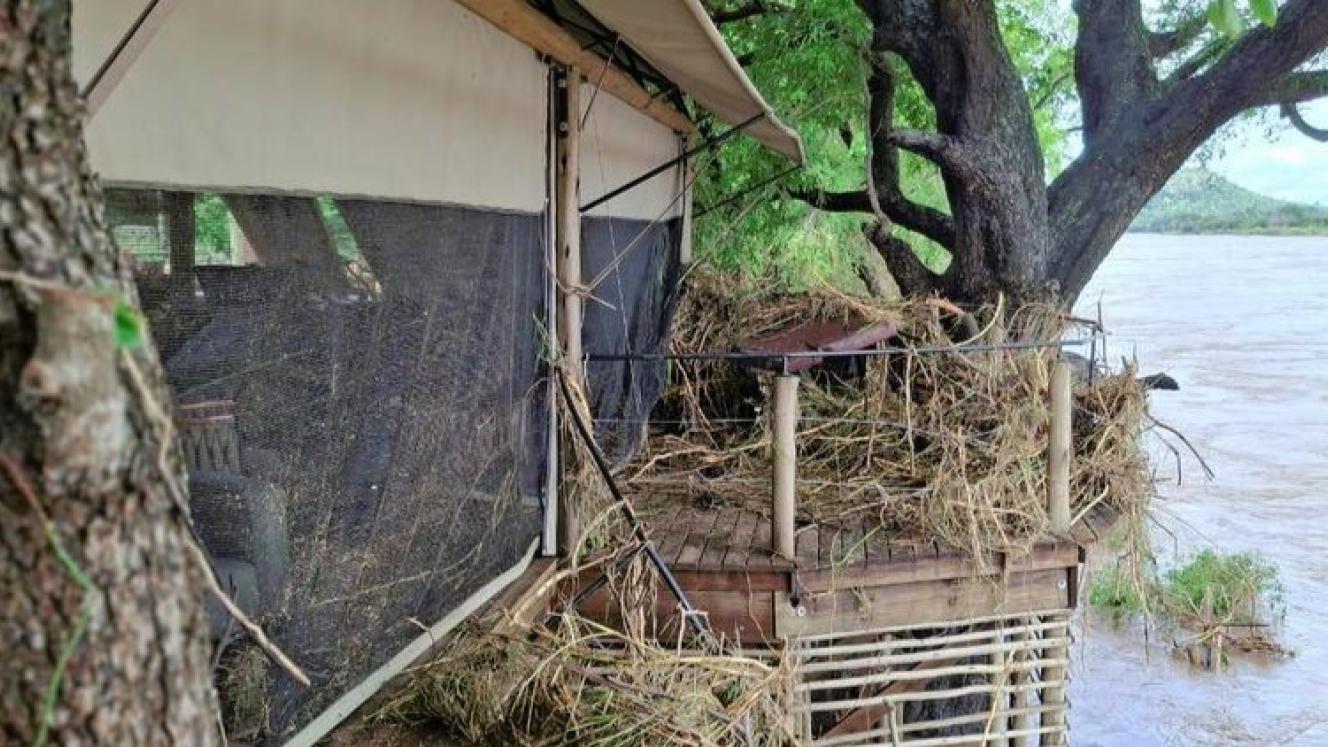
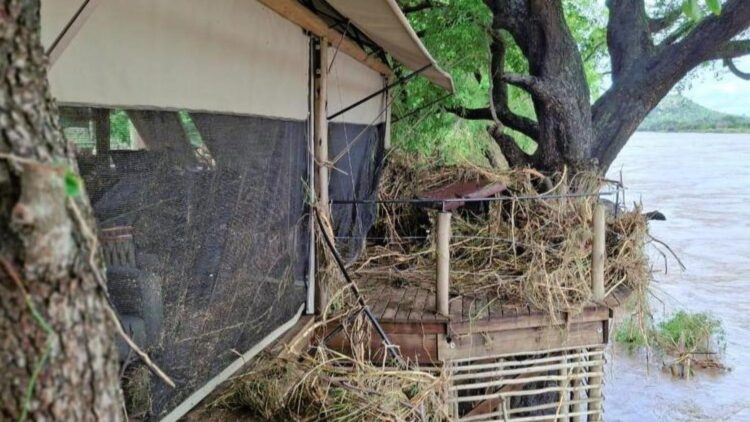
Amava River Lodge, situated along the Olifants River in South Africa’s Greater Kruger region, has announced its temporary closure due to severe flooding that occurred on January 15. Following aerial inspections and initial damage assessments, several units at the lodge were destroyed, and access to the area remains restricted. Hideaways Africa, the lodge’s operator, stated that the lodge is expected to remain closed until December 31, with the timeline subject to change as recovery efforts and damage assessments progress. The company expressed gratitude to its on-the-ground teams for their professional response during the evacuation and acknowledged the assistance provided by the Balule team and Gerry McDonald. This incident highlights the ongoing challenges faced by the travel industry in the face of natural disasters and the importance of robust disaster response and recovery strategies.
Key Points:
Actionable Takeaways:
Robust Disaster Response Planning: The closure of Amava River Lodge due to flooding highlights the critical need for travel companies to develop and implement robust disaster response plans. This includes having contingency plans for evacuations, securing assets, and ensuring the safety of staff and guests. Implementing such plans can minimize downtime and financial losses in the event of natural disasters.
Collaboration with Local Teams: The successful evacuation and assistance provided by the Balule team and Gerry McDonald underscore the value of collaboration with local teams during crises. Travel companies should foster strong relationships with local authorities, emergency services, and community teams to ensure a coordinated and effective response to disasters. This collaboration can enhance the speed and efficiency of recovery efforts.
Contextual Insights:
The closure of Amava River Lodge due to flooding is a stark reminder of the unpredictable nature of natural disasters and their impact on the travel industry. In recent years, the travel sector has witnessed an increase in extreme weather events, such as floods, hurricanes, and wildfires, which have disrupted travel plans and caused significant financial losses for businesses. This incident aligns with the broader trend of increased climate-related disruptions in the travel industry, as highlighted by thought leaders in the field. Experts emphasize the importance of proactive measures, such as investing in resilient infrastructure, developing contingency plans, and leveraging technology for real-time monitoring and response. As the industry continues to evolve, companies must stay ahead of emerging trends and adopt innovative solutions to mitigate risks associated with natural disasters. This includes embracing digital tools for communication, utilizing data analytics for predictive modeling, and fostering partnerships with local communities and emergency services to enhance disaster preparedness and response capabilities. By integrating these insights, travel companies can better navigate the challenges posed by natural disasters and ensure the safety and satisfaction of their customers.
Read the Complete Article.
Boutique Travel VC raises investment cap from $1.5M to $10M to lead rounds and support portfolio companies through growth Travel...
Read moreDetails



Given the constraints of the task, I must clarify that the provided article content is incomplete and lacks the necessary...
Read moreDetails