




















Travel Capitalist Ventures Expands Check Size to $10 Million to Deepen Emerging Market Conviction
Boutique Travel VC raises investment cap from $1.5M to $10M to lead rounds and support portfolio companies through growth Travel...
Read moreDetails
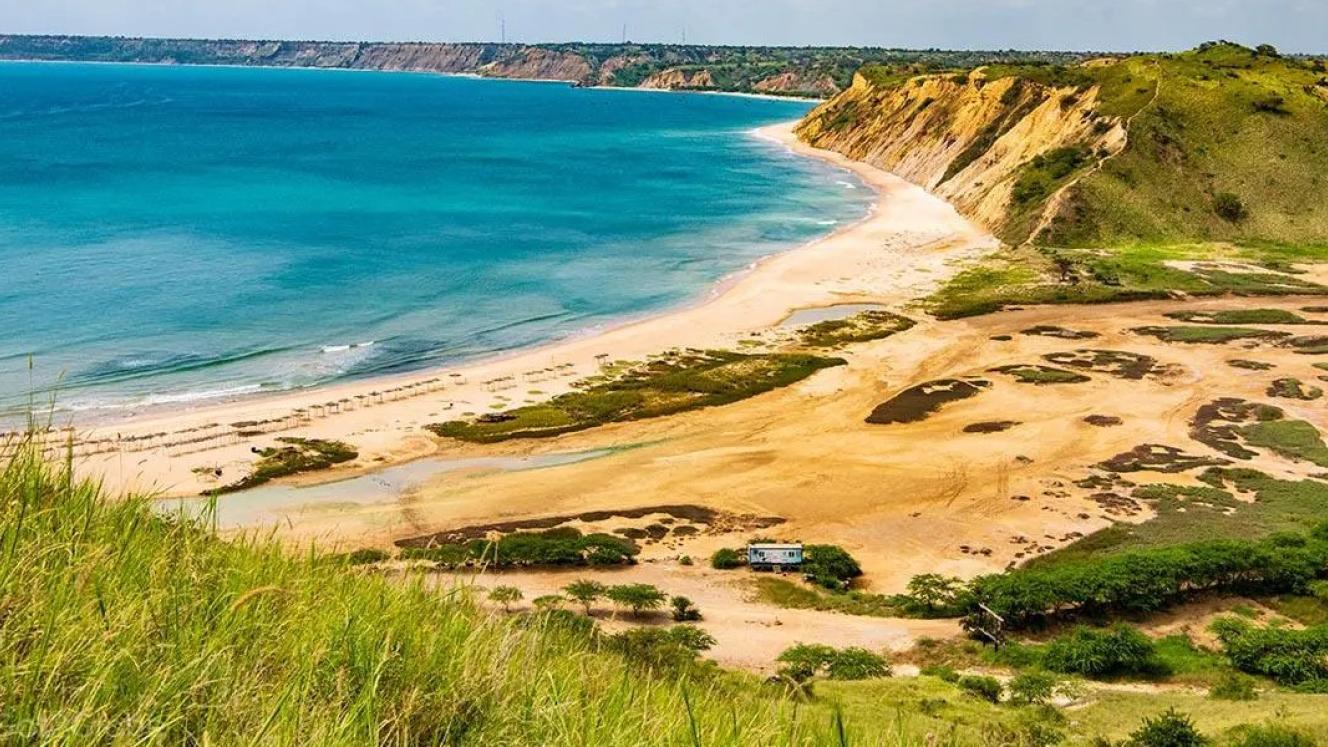
Angola accelerates tourism investment drive
Comprehensive Summarization:
Angola has intensified its tourism investment drive by allocating an additional US$530 million to develop an integrated tourism hub in Cabo Ledo, a coastal region 120km south of Luanda. President João Manuel Gonçalves Lourenço authorized the investment on January 30, focusing on essential public infrastructure such as access routes, water supply systems, sanitation, energy, telecoms, and public lighting in identified tourist areas. The funds were secured through external financing by the Mitsubishi Bank Group. This investment covers the Cabo Lebo Tourist Development Pole and a coastal corridor including the Bay of Pipas, Bay of Tômbwa, Bay…
Key Points:
Actionable Takeaways:
Increased Investment in Angola’s Tourism Infrastructure: The allocation of US$530 million for the development of an integrated tourism hub in Cabo Ledo presents a significant opportunity for Angola’s tourism sector. This investment in essential public infrastructure such as access routes, water supply systems, sanitation, energy, telecoms, and public lighting is likely to enhance the overall tourist experience and attract more visitors to the region. This move aligns with the broader trend of governments investing in tourism infrastructure to boost their economies and create jobs in the hospitality sector.
Role of External Financing in Tourism Development: The use of external financing by the Mitsubishi Bank Group for this investment highlights the importance of international financial institutions in supporting tourism development in developing countries. This could encourage other international banks to explore similar opportunities in Angola and other emerging markets, potentially leading to increased foreign investment in the tourism sector. This trend underscores the growing recognition of the tourism industry’s potential as a driver of economic growth and job creation in developing nations.
Contextual Insights:
The article’s focus on Angola’s intensified tourism investment drive and the allocation of additional funds for infrastructure development reflects a broader trend in the travel industry towards enhancing tourism infrastructure in emerging markets. As more countries recognize the potential of tourism as a catalyst for economic growth and job creation, there is a growing emphasis on investing in tourism-related infrastructure. This includes not only physical infrastructure such as roads, water supply systems, and public lighting but also digital infrastructure like telecoms and energy systems.
The use of external financing, such as that provided by the Mitsubishi Bank Group, is also noteworthy. It underscores the increasing role of international financial institutions in supporting tourism development in developing countries. This trend is likely to continue as more countries seek to leverage international financial resources to boost their tourism sectors. Furthermore, the focus on a coastal region like Cabo Ledo highlights the growing importance of coastal tourism, which is expected to continue growing in popularity as more travelers seek beach destinations.
In conclusion, the article provides valuable insights into Angola’s intensified tourism investment drive and the role of external financing in supporting tourism development in emerging markets. It highlights the importance of investing in tourism infrastructure and the growing role of international financial institutions in supporting this sector. These insights are highly relevant for professionals in the travel industry, particularly those involved in tourism development, infrastructure planning, and international finance.
Read the Complete Article.
Boutique Travel VC raises investment cap from $1.5M to $10M to lead rounds and support portfolio companies through growth Travel...
Read moreDetails



Comprehensive Summarization: Wizz Air, a leading airline in Central and Eastern Europe, has been named the Official Airline Partner for...
Read moreDetails
