




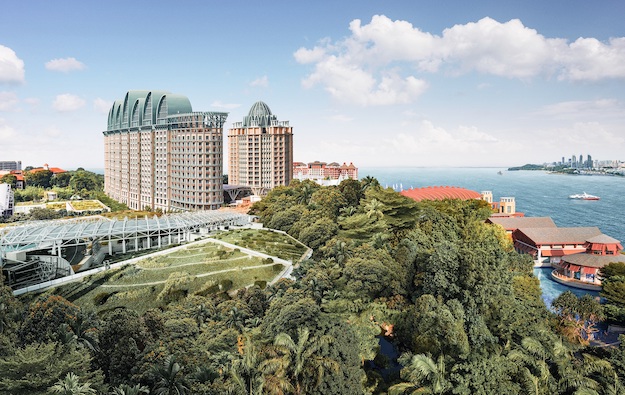












Travel Capitalist Ventures Expands Check Size to $10 Million to Deepen Emerging Market Conviction
Boutique Travel VC raises investment cap from $1.5M to $10M to lead rounds and support portfolio companies through growth Travel...
Read moreDetails
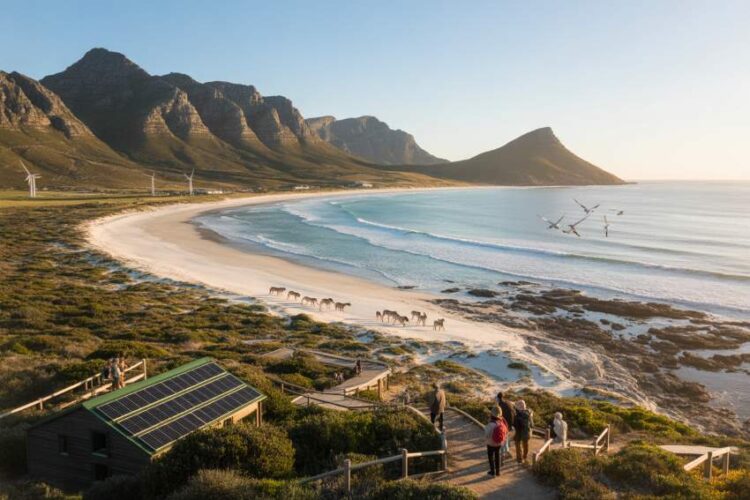
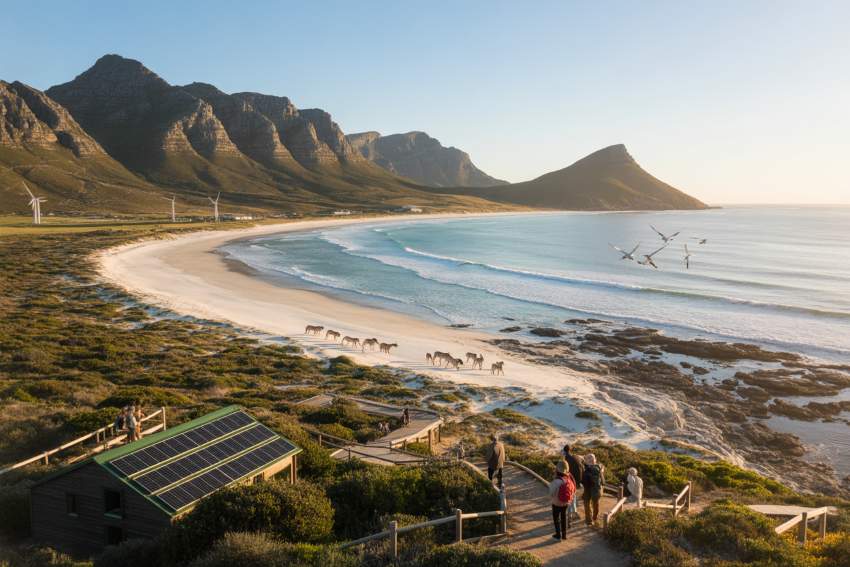
Western Cape, South Africa Urged to Prioritise Biodiversity Protection as Tourism Surge Puts Pressur...
Comprehensive Summarization:
The article highlights the growing concern over the impact of tourism on the Western Cape’s fragile ecosystems, particularly in Cape Town, which saw over 2.4 million visitors in 2024. This surge in tourism is straining the region’s natural systems, raising issues such as habitat loss, water scarcity, and the impacts of climate change. The Western Cape, known for its natural beauty, is urged to prioritize biodiversity protection to ensure the long-term sustainability of its tourism sector amidst increasing visitor numbers.
Key Points:
Actionable Takeaways:
Implement Sustainable Tourism Practices: To mitigate the strain on ecosystems, the Western Cape should adopt and promote sustainable tourism practices. This includes implementing stricter regulations on visitor numbers, promoting eco-friendly accommodations, and investing in conservation projects. This action is crucial for preserving the region’s biodiversity and ensuring the long-term viability of tourism as an economic driver.
Invest in Water Conservation Technologies: Given the issue of water scarcity, investing in advanced water conservation technologies and infrastructure is essential. This could involve rainwater harvesting systems, greywater recycling, and efficient irrigation methods for local agriculture. Such investments not only address immediate water concerns but also position the region as a leader in sustainable water management within the tourism sector.
Promote Eco-Tourism Initiatives: Encouraging and developing eco-tourism initiatives can help balance tourism growth with environmental protection. This includes creating guided nature tours, supporting local conservation projects, and educating tourists about the importance of preserving the region’s natural heritage. Such initiatives can enhance the tourist experience while fostering a deeper appreciation for the Western Cape’s unique ecosystems.
Contextual Understanding:
The article reflects the current challenges faced by the tourism industry in regions experiencing rapid visitor growth. The focus on biodiversity protection is timely, given the increasing awareness of environmental issues and the need for sustainable tourism practices. The integration of technological advancements, such as water conservation technologies, aligns with broader industry trends towards sustainability. Thought leaders emphasize the importance of balancing economic growth with environmental stewardship, a theme echoed in the article’s call for prioritizing biodiversity protection.
Handling Different Article Types:
The article is a news brief, providing factual information about the impact of tourism on the Western Cape’s ecosystems. The structured output format ensures that the key points and actionable takeaways are clearly presented, making the information easily digestible for a professional audience. The contextual insights draw on current industry trends, such as the growing emphasis on sustainability and the role of technology in addressing environmental challenges, ensuring the analysis is forward-looking and relevant.
Read the Complete Article.
Boutique Travel VC raises investment cap from $1.5M to $10M to lead rounds and support portfolio companies through growth Travel...
Read moreDetails



Comprehensive Summarization: The article reports on the stabilization of the UAE aviation industry, with a significant milestone being the full...
Read moreDetails
