







No products in the cart.
- Latest
- Trending

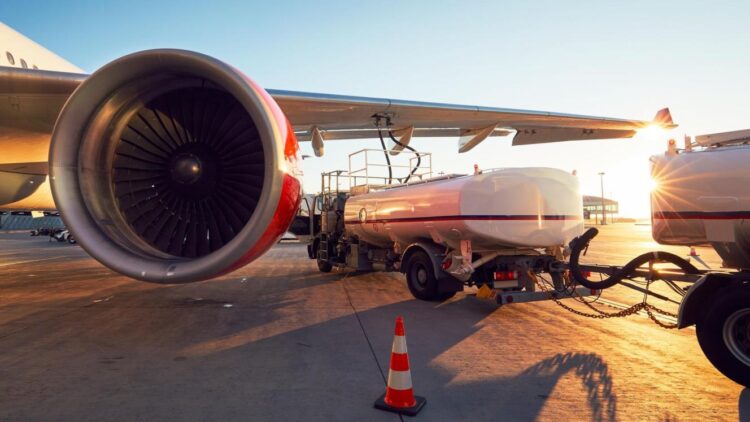
Jet fuel supply secure until June
Comprehensive Summarization:
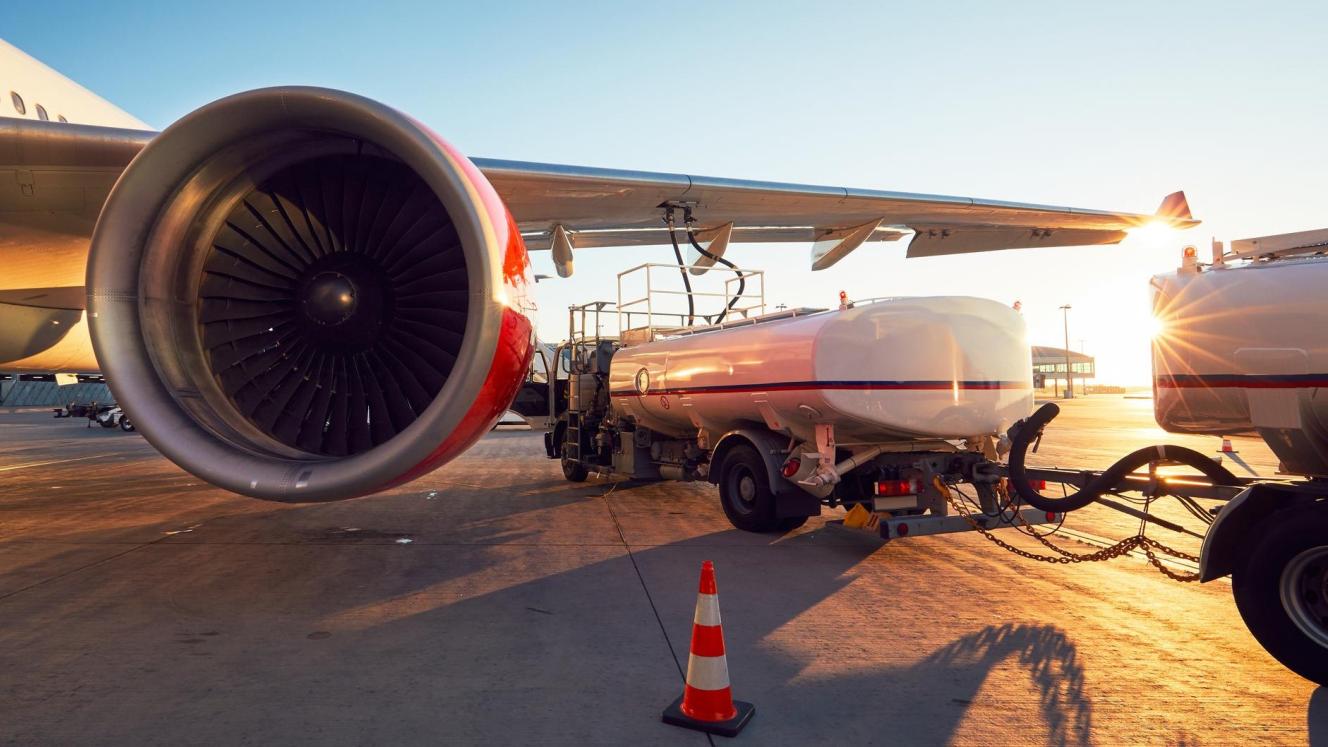
South Africa’s jet fuel supply is currently secure until at least the end of May, but rising operational costs due to geopolitical tensions and maritime blockades in the Middle East are expected to push airfares higher. Despite steady reserves and imports, jet fuel prices at coastal South African airports have increased by over 145%. Inland airports are anticipated to see similar price increases from early April. Phila Mzamo, Head of Communications at Fuels Industry Association of South Africa, confirms that major airport hubs, including OR Tambo International Airport and Cape Town International Airport, are well stocked with jet fuel and there is no threat to supply.
Key Points:
Actionable Takeaways:
Airfare Increases Expected: The significant rise in jet fuel prices is likely to result in higher airfares. Travel companies and airlines should prepare for potential fare adjustments to maintain profitability. This could impact consumer travel behavior and demand, necessitating strategic pricing and marketing adjustments.
Supply Chain Resilience: The fact that major airport hubs are well stocked with jet fuel indicates a resilient supply chain. However, this also highlights the vulnerability of the aviation sector to geopolitical events. Companies should consider diversifying fuel suppliers or investing in fuel hedging strategies to mitigate future risks.
Impact on Travel Trends: Rising operational costs may lead to a shift in travel trends, with consumers potentially opting for alternative modes of transportation or destinations closer to home. Travel agencies and tour operators should monitor these shifts and adapt their offerings accordingly to remain competitive.
Contextual Insights:
The article reflects the current state of the aviation sector in South Africa, where geopolitical tensions and maritime blockades are directly impacting operational costs. This situation underscores the broader trend of increased volatility in the travel industry, driven by external geopolitical factors. As such, the travel sector must remain agile and adaptable, leveraging technology and innovation to navigate these challenges. The focus on supply chain resilience and strategic cost management is crucial for maintaining competitiveness and ensuring long-term sustainability in the face of rising operational expenses. Additionally, the article highlights the importance of strategic pricing and marketing adjustments to mitigate the impact of increased airfares on consumer travel behavior.
Read the Complete Article.
Get curated travel AI insights — choose the newsletters that matter to you.
This spot is reserved for brands with a compelling story for the travel trade. They use this space to cut...
Read moreDetailsALTOUR Expands into Thailand, Strengthening Corporate Travel Network Across Southeast Asia BANGKOK, THAILAND (25 March, 2026) – ALTOUR, a leading...
Read moreDetails


Comprehensive Summarization: The article discusses how airlines such as Delta Air Lines, United Airlines, and Allegiant are waiving change fees...
Read moreDetails