




















Travel Capitalist Ventures Expands Check Size to $10 Million to Deepen Emerging Market Conviction
Boutique Travel VC raises investment cap from $1.5M to $10M to lead rounds and support portfolio companies through growth Travel...
Read moreDetails

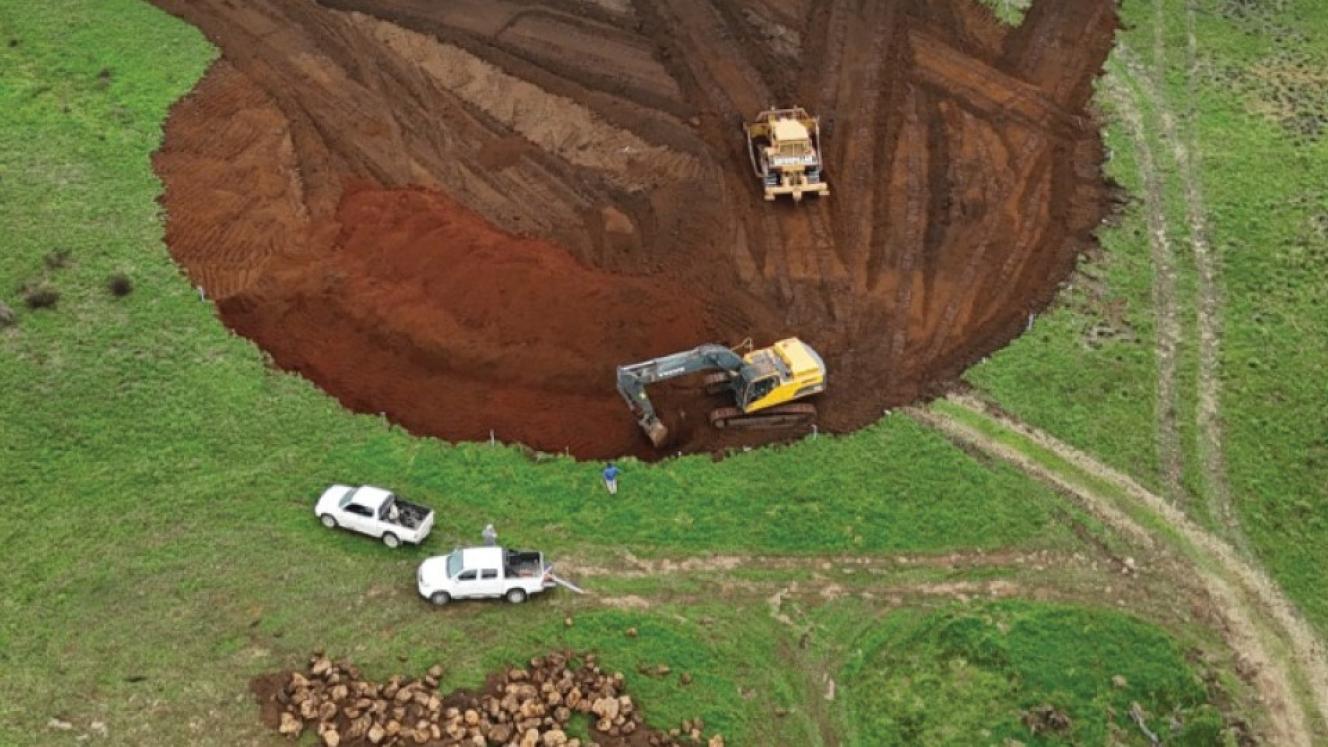
Brahman Hills breaks ground on labyrinth
Article Summary:
Brahman Hills has commenced construction on its new Serenity Garden, set to be the world’s largest labyrinth, located in the KwaZulu-Natal Midlands, covering 22 hectares. This development is the next phase of expansion for the site, which already features the Royal Horticultural Society Partner Garden. The project, led by CEO Orrin Cottle, aligns with the property’s focus on horticulture and eco-tourism, incorporating sacred geometry and traditional walking meditations through indigenous plant species and art.
Key Points:
Actionable Takeaways:
Contextual Insights:
The launch of Brahman Hills’ Serenity Garden aligns with current industry trends towards experiential and immersive travel experiences. The focus on sacred geometry and traditional walking meditations reflects a broader movement within the travel sector towards offering unique, culturally and spiritually enriching experiences. This trend is likely to continue as travelers increasingly seek destinations that offer more than just sightseeing—they want to engage with the environment and local culture in meaningful ways.
Moreover, the integration of indigenous plant species and art into the labyrinth design highlights a growing emphasis on sustainability and cultural preservation within the travel industry. As eco-tourism continues to gain traction, destinations that prioritize environmental stewardship and cultural authenticity are likely to attract more visitors. This could present opportunities for travel startups and fintech companies to innovate in areas such as sustainable travel financing, eco-friendly accommodations, and immersive travel experiences, thereby contributing to the industry’s growth and evolution.
Read the Complete Article.
Boutique Travel VC raises investment cap from $1.5M to $10M to lead rounds and support portfolio companies through growth Travel...
Read moreDetails



Comprehensive Summarization: The article highlights the growing influence of women in the travel industry, particularly in the context of Airbnb...
Read moreDetails
