









No products in the cart.
- Latest
- Trending

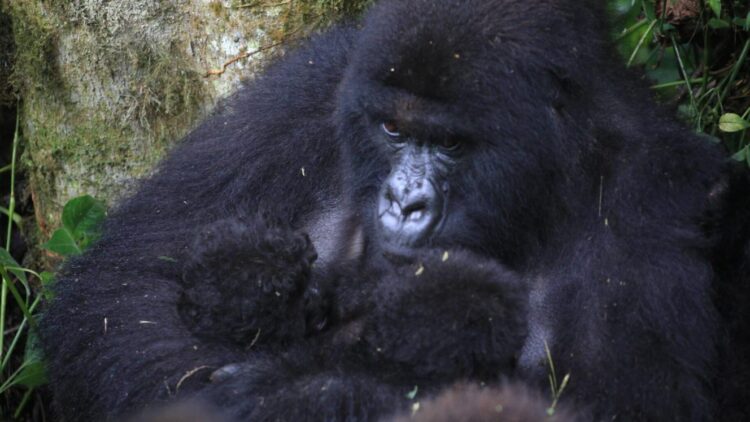
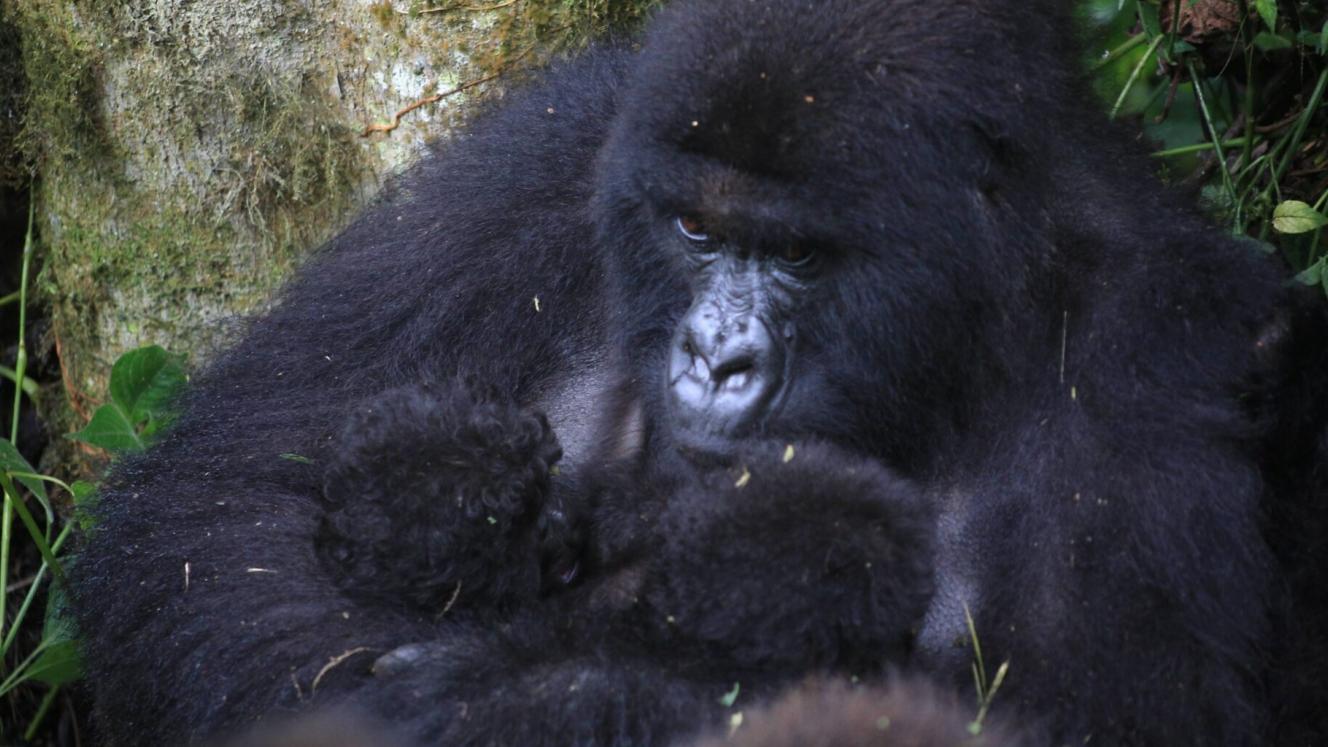
Another pair of gorilla twins
Comprehensive Summarization:
The article reports the birth of a second set of mountain gorilla twins within three months in Virunga National Park, DRC. The twins, believed to be a male and a female, are part of the Baraka family, now totaling 19 individuals. This development marks nine gorilla births in the park during the first three months of 2026. Twin births in mountain gorillas are rare, occurring in less than 1% of cases. The article also touches on broader travel trends and insights, highlighting the importance of conservation efforts and the rarity of such natural events in wildlife populations.
Key Points:
Actionable Takeaways:
Conservation Success: The birth of mountain gorilla twins in Virunga National Park underscores the success of conservation efforts in the region. This development highlights the importance of protected areas in ensuring the growth and sustainability of endangered species populations. For travel companies and conservation organizations, this serves as a positive indicator of the impact of conservation initiatives and could potentially boost eco-tourism in the area.
Rarity of Events: The rarity of twin births in mountain gorillas (occurring in less than 1% of cases) emphasizes the significance of these events. Such occurrences can be leveraged by conservation organizations and travel companies to create unique, high-value experiences for eco-tourists, thereby promoting awareness and support for wildlife conservation.
Contextual Insights:
The birth of mountain gorilla twins in Virunga National Park is a testament to the ongoing success of conservation efforts in the region. It aligns with broader travel trends emphasizing eco-tourism and sustainable travel practices. As the world becomes increasingly aware of the importance of biodiversity and wildlife conservation, such natural events can serve as powerful marketing tools for travel companies. Moreover, the rarity of such events adds a unique dimension to wildlife tourism, potentially attracting a niche market of conservation-conscious travelers. Thought leaders in the travel industry should consider how to integrate such conservation successes into their marketing strategies to appeal to this growing segment of eco-conscious consumers.
Read the Complete Article.
Get curated travel AI insights — choose the newsletters that matter to you.
ALTOUR Expands into Thailand, Strengthening Corporate Travel Network Across Southeast Asia BANGKOK, THAILAND (25 March, 2026) – ALTOUR, a leading...
Read moreDetails


Comprehensive Summarization: The article reports the birth of a second set of mountain gorilla twins within three months in Virunga...
Read moreDetails