




















Travel Capitalist Ventures Expands Check Size to $10 Million to Deepen Emerging Market Conviction
Boutique Travel VC raises investment cap from $1.5M to $10M to lead rounds and support portfolio companies through growth Travel...
Read moreDetails

New expedition-style camp for Angola
Comprehensive Summarization:
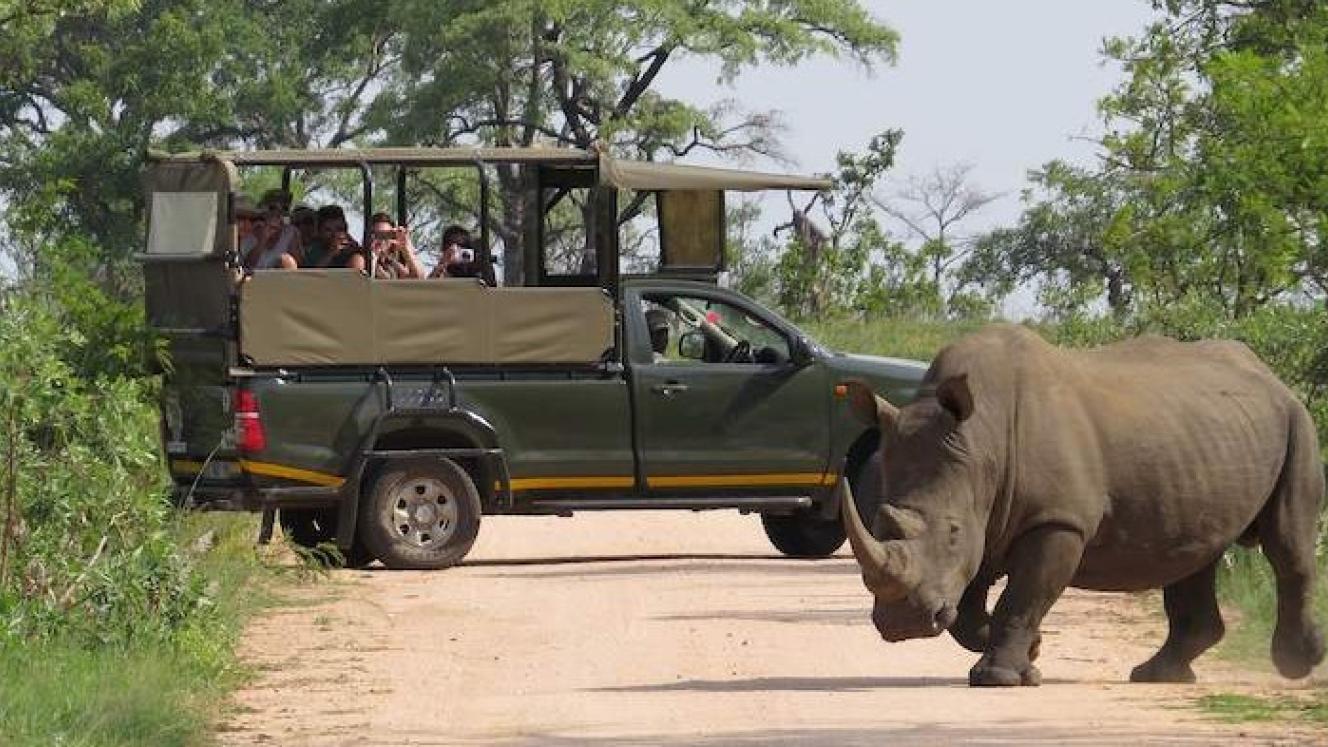
Luiana Plains Safaris has announced the opening of Luiana Expedition Camp in Angola’s Luengue-Luiana National Park, with a soft opening planned for June and full operations expected from 2027. The project received approval from the Angolan Ministry of Environment and Tourism in 2025. Luengue-Luiana National Park, established in 2011, is part of the Kavango Zambezi Transfrontier Conservation Area (KAZA) and is the largest park within this network. The camp is situated in the Luiana Core area, east of Jamba and south of the Luiana River, within a park that features diverse landscapes including mopane and miombo savannah, wide floodplains, and riverine systems linked to the Cuando, Luiana, and Luengue rivers. This area serves as a significant catchment for the Kwando River, highlighting the park’s ecological importance and strategic location within the KAZA network.
Key Points:
Actionable Takeaways:
Strategic Location and Ecological Significance: The placement of Luiana Expedition Camp in the Luiana Core area, within a park that is part of the KAZA network, presents a unique opportunity for sustainable tourism development. This location not only enhances the park’s appeal as a major catchment for the Kwando River but also aligns with broader conservation goals in the region. For travel companies and tourism stakeholders, this could mean increased opportunities for eco-tourism and wildlife safaris, tapping into the growing trend of environmentally conscious travel.
Alignment with KAZA Conservation Goals: The approval of the Luiana Expedition Camp by the Angolan Ministry of Environment and Tourism reflects a commitment to the KAZA conservation initiative. For stakeholders in the travel industry, this alignment presents a strategic advantage. By investing in or partnering with projects within the KAZA network, companies can position themselves as supporters of regional conservation efforts, potentially attracting eco-conscious travelers and benefiting from positive publicity.
Opportunities for Eco-Tourism and Wildlife Safaris: The soft opening of Luiana Expedition Camp in June 2025, with full operations expected by 2027, indicates a burgeoning opportunity for eco-tourism and wildlife safaris in Angola. Travel companies can capitalize on this by developing specialized itineraries that highlight the unique biodiversity and natural beauty of Luengue-Luiana National Park. This could include guided safaris, bird watching tours, and cultural experiences that showcase the region’s rich heritage, appealing to a niche market of travelers seeking authentic and sustainable travel experiences.
Contextual Insights:
The announcement of Luiana Expedition Camp aligns with several current industry trends and expert insights. Firstly, the emphasis on conservation and sustainable tourism is a key theme in the travel industry today. As travelers become more environmentally conscious, destinations that prioritize ecological preservation and responsible tourism practices are gaining traction. The Luiana Expedition Camp, by being part of the KAZA network and focusing on the Luengue-Luiana National Park, exemplifies this trend. Secondly, the strategic location of the camp within a major catchment for the Kwando River underscores the importance of water resources in tourism development. This insight is particularly relevant given the increasing focus on water conservation and management in the travel sector. Lastly, the timing of the camp’s opening—planned for June 2025—suggests a strategic move to capitalize on peak travel seasons, potentially attracting a larger number of visitors and boosting local economies. For travel startups and fintech innovators, this presents an opportunity to develop financial solutions tailored to the eco-tourism sector, such as eco-friendly payment systems or sustainable travel financing options.
Read the Complete Article.
Boutique Travel VC raises investment cap from $1.5M to $10M to lead rounds and support portfolio companies through growth Travel...
Read moreDetails



Comprehensive Summarization: Wizz Air, the pan-European ultra-low-cost airline, is expanding its presence in Western Europe by establishing a new base...
Read moreDetails
