



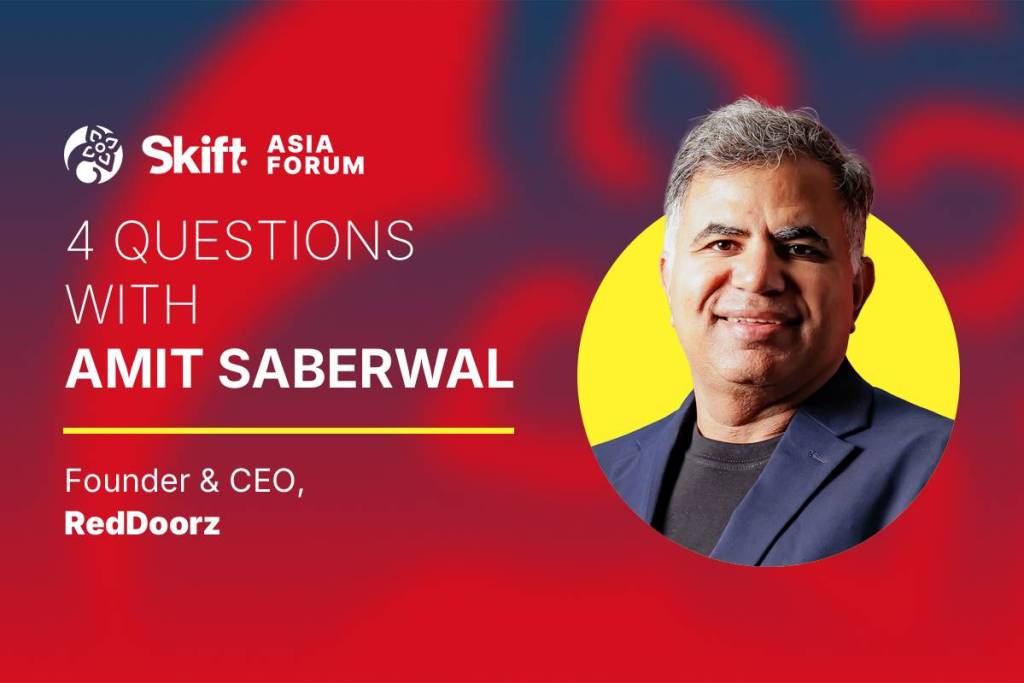

















Travel Capitalist Ventures Expands Check Size to $10 Million to Deepen Emerging Market Conviction
Boutique Travel VC raises investment cap from $1.5M to $10M to lead rounds and support portfolio companies through growth Travel...
Read moreDetails

Industry eyes smarter use of withheld TOMSA levies
Comprehensive Summarization:
The article discusses the private sector’s exploration of utilizing approximately R500 million (US$30.6 million) in collected TOMSA levy funds, which have been withheld from the South African Tourism (SA Tourism) due to governance issues and financial instability at the Destination Management Organization (DMO). The Tourism Business Council of South Africa (TBCSA) is actively engaging with the private sector to identify impactful investment avenues for these funds. TBCSA CEO, Tshifhiwa Tshivhengwa, emphasized the association’s commitment to exploring investment opportunities, particularly in attendance at key events, to enhance the tourism sector’s global marketing efforts.
Key Points:
Actionable Takeaways:
Investment in Tourism Marketing: The withheld TOMSA funds present an opportunity for the private sector to invest in enhancing SA Tourism’s global marketing campaigns. This could involve increased funding for digital marketing, international advertising, and participation in global tourism events, thereby boosting the sector’s visibility and appeal to international travelers.
Enhancing DMO Stability: Addressing the financial instability at the DMO is crucial. By redirecting some of the withheld funds towards improving the DMO’s financial health, there could be a positive impact on the overall stability and efficiency of tourism management in South Africa. This could lead to better infrastructure, improved visitor services, and a more attractive destination for international tourists.
Leveraging Private Sector Innovation: The article underscores the importance of engaging with the private sector to explore innovative investment avenues. This could include partnerships with tech startups focused on travel tech, fintech solutions for seamless payment systems, or innovative marketing strategies leveraging social media and digital platforms. Such investments could drive technological advancements and operational efficiencies within the tourism sector.
Contextual Insights:
The withheld TOMSA funds reflect broader challenges within the South African tourism sector, including governance issues and financial instability at the DMO. These challenges are not unique to South Africa but are reflective of broader issues faced by many tourism-dependent economies. The private sector’s willingness to engage and invest in addressing these challenges highlights a growing trend of private-public collaboration in the travel industry. This trend is particularly relevant in the context of the increasing importance of digital transformation and innovation in tourism. As the sector moves towards more tech-driven solutions, the private sector’s role in funding and implementing these innovations becomes increasingly significant. Furthermore, the focus on global marketing campaigns underscores the competitive nature of the tourism industry, where differentiation and visibility in international markets are crucial for sustained growth.
Read the Complete Article.
Boutique Travel VC raises investment cap from $1.5M to $10M to lead rounds and support portfolio companies through growth Travel...
Read moreDetails



Macau — 2026-08-14 In short: Macao University of Tourism and China Tourism Academy co-host a forum on wellness tourism in...
Read moreDetails
