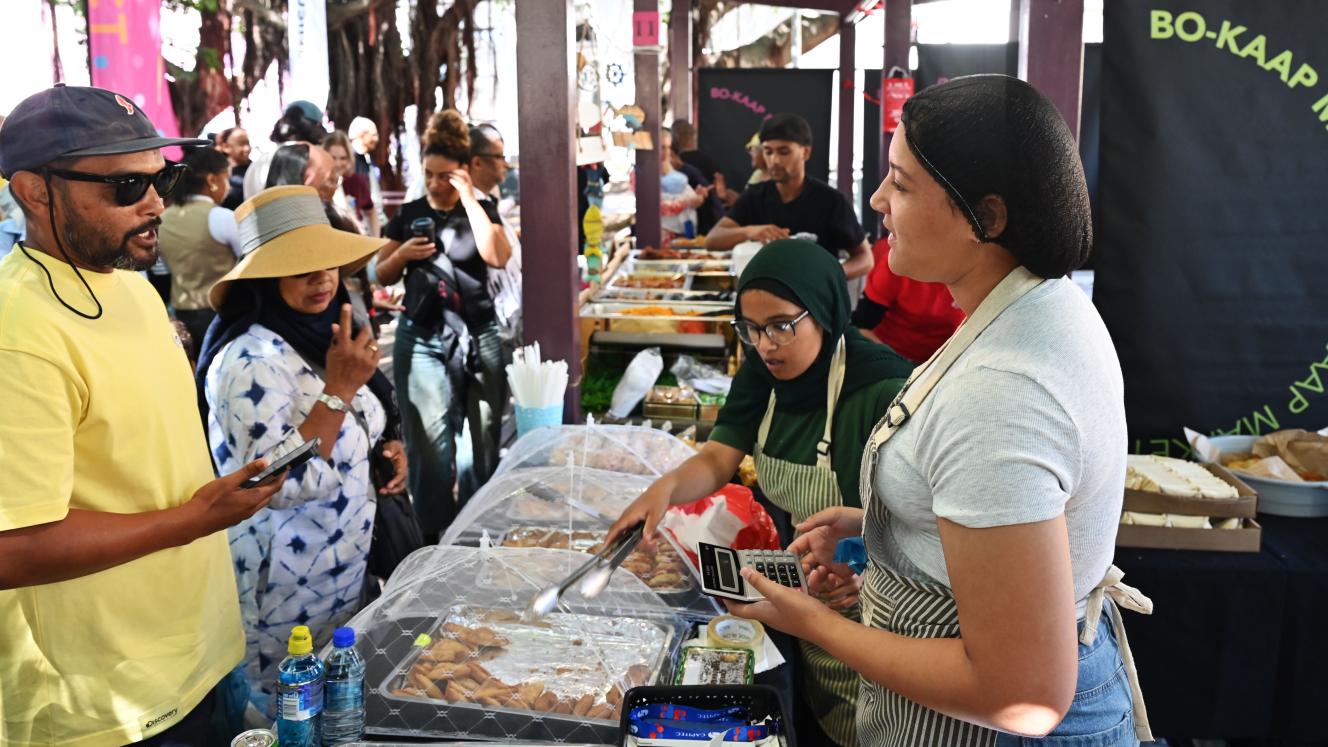
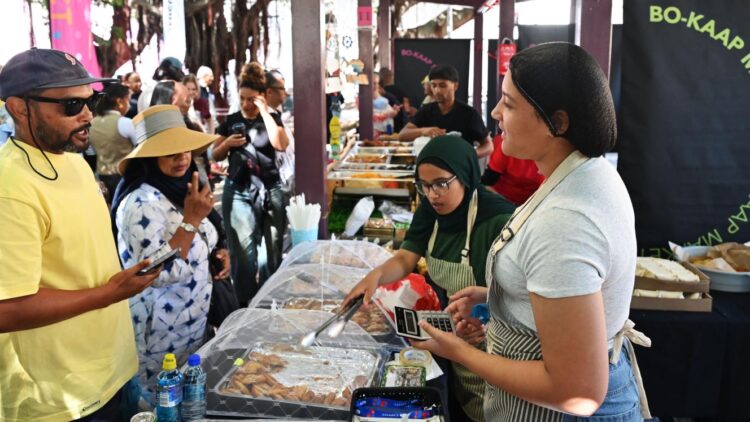
The City of Cape Town officially inaugurated the Bo-Kaap Market on February 14 and 15, officially designating it as a permanent public trading space. The market, which has been operational since December 2025, has been praised for its bustling atmosphere and the positive impact on local traders. The city has invested R270 million (US$16.8 million) in upgrading infrastructure and trading spaces across the metro to support the market’s success. This initiative highlights the city’s commitment to backing informal trading, a key economic sector, with significant investment in infrastructure upgrades. The article also touches on broader travel trends and insights, emphasizing the importance of supporting local markets and enhancing the trading experience for both locals and tourists.
Key Points:
The Bo-Kaap Market was officially opened on February 14 and 15, 2025, and recognized as a permanent public trading space.
The market has been operational since December 2025, indicating a recent but established presence in Cape Town’s tourism scene.
The city has invested R270 million (US$16.8 million) in upgrading infrastructure and trading spaces to support the market’s success.
Informal trading is identified as a key economic sector for Cape Town, with the city providing substantial support through infrastructure upgrades.
The market’s opening is seen as a significant boost for the local economy, benefiting traders and enhancing the tourist experience.
Actionable Takeaways:
Investment in Infrastructure: The city’s R270 million investment in upgrading Bo-Kaap Market infrastructure demonstrates a strategic commitment to supporting informal trading sectors. This investment could serve as a model for other cities looking to boost local economies through targeted infrastructure upgrades.
Support for Informal Trading: By recognizing and investing in informal trading as a key economic sector, Cape Town is fostering economic inclusivity. This approach could inspire other regions to identify and support similar sectors, potentially leading to broader economic diversification and resilience.
Enhanced Tourist Experience: The market’s official recognition and the city’s efforts to create a bustling, enjoyable environment for both locals and tourists highlight the importance of creating memorable tourist experiences. Cities can learn from this approach to enhance their own tourism offerings, potentially increasing visitor satisfaction and repeat visits.
Contextual Insights:
The opening of the Bo-Kaap Market aligns with current industry trends emphasizing the importance of supporting local economies and enhancing the tourist experience. The city’s investment in infrastructure upgrades reflects a broader trend of using public funds to stimulate local businesses and improve visitor satisfaction. This approach is particularly relevant in the travel industry, where experiences and local engagement are key drivers of tourism. Furthermore, the market’s success underscores the potential of informal trading sectors in contributing significantly to a city’s economy, a concept that can be applied to other travel destinations worldwide. As travel trends continue to evolve, focusing on local markets and enhancing the overall visitor experience will likely remain a priority for cities aiming to attract and retain tourists.