






















Travel Capitalist Ventures Expands Check Size to $10 Million to Deepen Emerging Market Conviction
Boutique Travel VC raises investment cap from $1.5M to $10M to lead rounds and support portfolio companies through growth Travel...
Read moreDetails

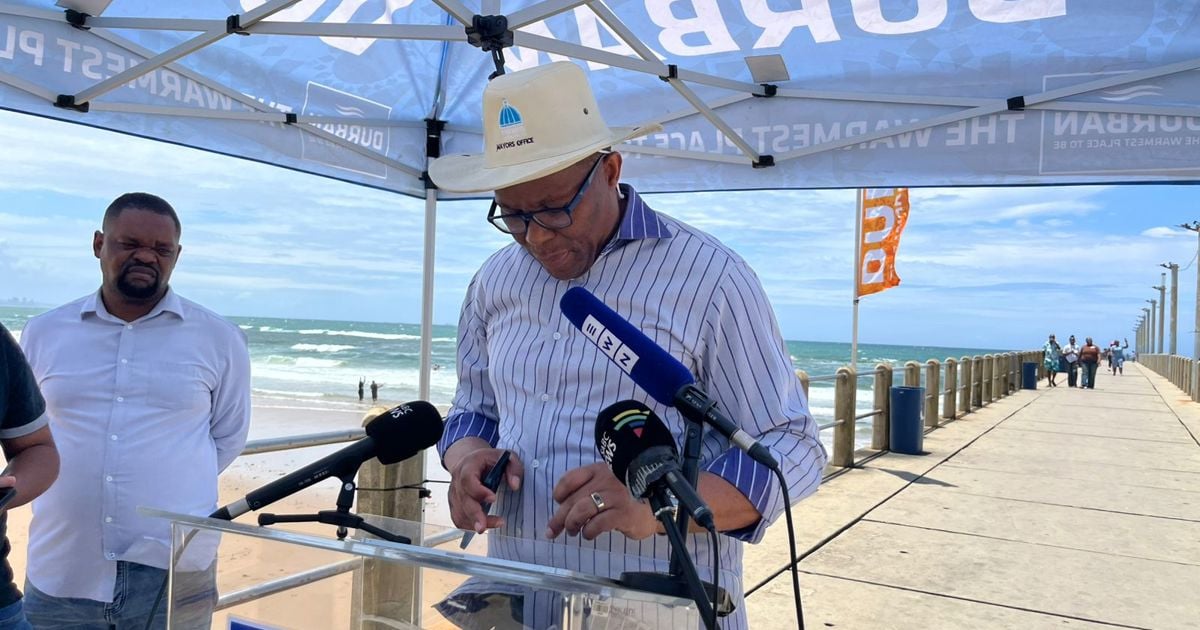
City records Over 800,000 beachgoers amid recovery
Article Summary:
The eThekwini Municipality has defended its handling of recent beach issues during the festive season, asserting that the city is currently experiencing a pre-COVID-19 level of tourism. A media briefing was held to present statistics on the season’s performance, which follows the closure and subsequent reopening of several beaches due to water contamination. The 2019 festive season, the last peak period before the COVID-19 pandemic, saw approximately 900,000 visitors in Durban. As the current festive season nears its end, Mayor Cyril Xaba reports on the city’s performance and future outlook.
Key Points:
Actionable Takeaways:
Contextual Insights:
The article reflects the broader context of the travel industry’s recovery post-pandemic, where cities are striving to regain pre-pandemic visitor numbers while addressing health and safety concerns. The emphasis on transparency and performance metrics aligns with current industry trends, where data-driven decision-making is crucial for effective tourism management. The focus on beach safety and quality also underscores the growing importance of environmental sustainability and health considerations in travel planning. As the travel industry continues to adapt to post-pandemic realities, insights from this article can guide stakeholders in implementing strategies that enhance visitor experiences and ensure sustainable growth.
Read the Complete Article.
Boutique Travel VC raises investment cap from $1.5M to $10M to lead rounds and support portfolio companies through growth Travel...
Read moreDetails



New Orleans, USA — April 2024 In short: U.S. hotels reported a 3.6% rise in RevPAR year-over-year in the first...
Read moreDetails
