





















Travel Capitalist Ventures Expands Check Size to $10 Million to Deepen Emerging Market Conviction
Boutique Travel VC raises investment cap from $1.5M to $10M to lead rounds and support portfolio companies through growth Travel...
Read moreDetails
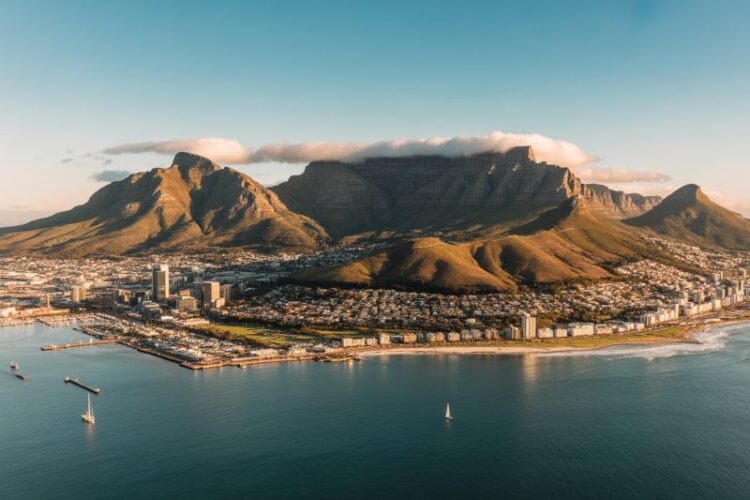
Cape Town Beaches Face Pollution Challenges Amid Growing Tourism Demand, Here’s All You Need to Know
Article Summary:
The article discusses the environmental challenges faced by Cape Town, a popular beach destination in South Africa. Despite its reputation as a hub for beach lovers, the city’s beaches are under scrutiny due to high levels of pollution detected in water tests conducted between late November and early December 2025. The pollution concerns have raised fears about the safety of the waters, particularly during the summer tourist season, even though all beaches remain open. The focus is on Macassar Beach, where the pollution levels were found to be unsafe.
Key Points:
Actionable Takeaways:
Implement Enhanced Water Quality Monitoring: Given the recent detection of high pollution levels at Cape Town’s beaches, it is crucial for local authorities and beach management to invest in advanced water quality monitoring systems. This will help in real-time assessment of water safety, allowing for timely alerts and closures if necessary, thereby protecting tourists and preserving the beaches’ reputation.
Promote Sustainable Tourism Practices: The article underscores the importance of environmental sustainability, especially during peak tourist seasons. Travel agencies and tour operators should adopt and promote sustainable tourism practices, such as reducing plastic use, encouraging eco-friendly transportation, and educating tourists about the importance of beach conservation. This not only helps in mitigating pollution but also enhances the overall tourist experience by showcasing responsible travel.
Invest in Beach Cleanup Initiatives: To address the immediate concerns of high pollution levels, local governments and community organizations should collaborate on large-scale beach cleanup initiatives. These efforts can involve volunteers, local businesses, and tourists, fostering a sense of community responsibility. Regular cleanup events can help in reducing pollution levels and improving the aesthetic appeal of the beaches, making them more attractive to tourists.
Contextual Insights:
The pollution issues faced by Cape Town’s beaches are a significant concern for the travel industry, particularly during the summer tourist season when the city attracts a large number of visitors. The fact that all beaches remain open despite the environmental challenges highlights the delicate balance between tourism and environmental sustainability. This situation is reflective of broader trends in the travel industry, where destinations are increasingly under pressure to balance economic growth with environmental preservation. The article also points to the need for innovative solutions, such as advanced water quality monitoring and sustainable tourism practices, which are becoming essential in the modern travel landscape. As the industry evolves, thought leaders emphasize the importance of integrating technology and sustainable practices to ensure the long-term viability of popular tourist destinations like Cape Town.
Read the Complete Article.
Boutique Travel VC raises investment cap from $1.5M to $10M to lead rounds and support portfolio companies through growth Travel...
Read moreDetails



Comprehensive Summarization: The World Travel & Tourism Council (WTTC) has released its latest report, "Cruising for Impact," which highlights the...
Read moreDetails
