

















Travel Capitalist Ventures Expands Check Size to $10 Million to Deepen Emerging Market Conviction
Boutique Travel VC raises investment cap from $1.5M to $10M to lead rounds and support portfolio companies through growth Travel...
Read moreDetails
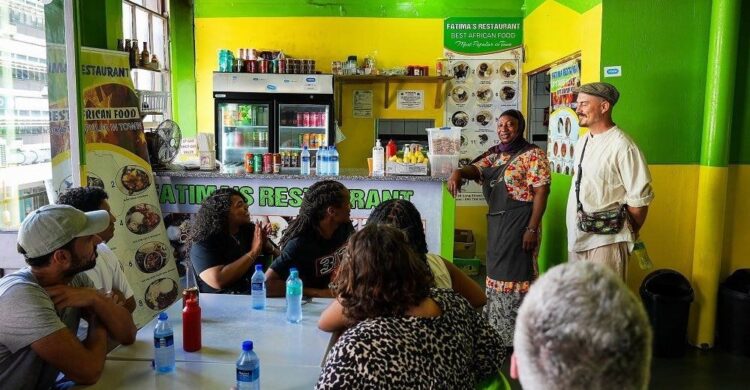
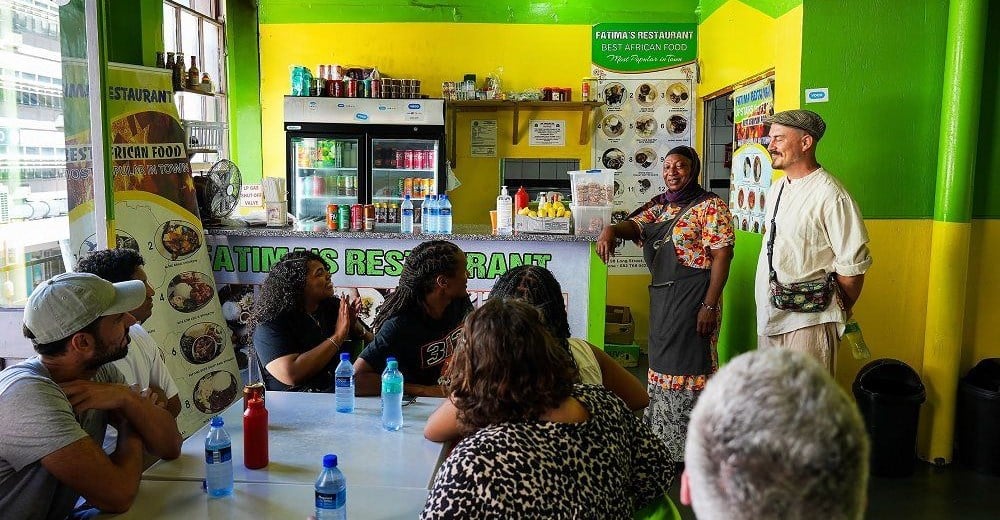
Cape Town's roadmap to boost local food businesses
Comprehensive Summarization:
The article discusses Cape Town’s recent peak tourism season, which saw a significant increase in visitor numbers, with 1.12 million visitors welcomed. International arrivals rose by 10% year-on-year, while domestic tourism grew by 7%. However, the article highlights a growing disconnect between the tourism boom and the benefits reaching small, community-based food businesses, particularly those operating outside the city’s main tourism corridors. These businesses, including informal, township-based, and diaspora-owned food enterprises, continue to operate on the margins of the tourism economy. This disparity has prompted Unexplored Cape Town to collaborate with key tourism stakeholders to address this issue.
Key Points:
Actionable Takeaways:
Collaboration for Inclusive Growth: Tourism stakeholders should collaborate with local food businesses to ensure that the benefits of tourism growth are more evenly distributed. This could involve targeted marketing, training programs, or financial support to help these businesses tap into the increased visitor traffic.
Leverage Technology for Market Access: Implementing digital platforms and tools that connect small food businesses with tourists can help bridge the gap. This could include online ordering systems, food delivery services, or virtual tours of local eateries.
Contextual Understanding:
The article reflects the current state of the travel industry, where large-scale tourism events can lead to uneven economic impacts. The focus on small, community-based food businesses highlights the need for inclusive growth strategies within the tourism sector. Recent trends indicate a shift towards more sustainable and equitable tourism practices, with thought leaders emphasizing the importance of supporting local economies. The collaboration between Unexplored Cape Town and tourism stakeholders aligns with these trends, showcasing a forward-looking approach to tourism development that prioritizes inclusivity and community benefit.
Handling Different Article Types:
The article is a news brief, providing factual information about tourism trends and a specific initiative to address economic disparities within the sector. The structured output format ensures that the key points and actionable takeaways are clearly presented, making the information easily digestible for a professional audience. The contextual insights integrate the latest travel trends and expert opinions, offering a forward-looking perspective on the importance of inclusive tourism growth.
Read the Complete Article.
Boutique Travel VC raises investment cap from $1.5M to $10M to lead rounds and support portfolio companies through growth Travel...
Read moreDetails



Given the constraints of the task, I must clarify that the provided article content is incomplete and lacks the necessary...
Read moreDetails