


















Travel Capitalist Ventures Expands Check Size to $10 Million to Deepen Emerging Market Conviction
Boutique Travel VC raises investment cap from $1.5M to $10M to lead rounds and support portfolio companies through growth Travel...
Read moreDetails
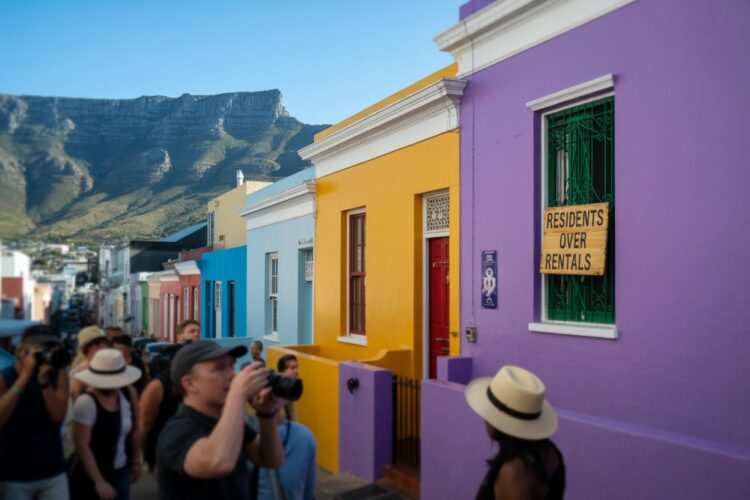
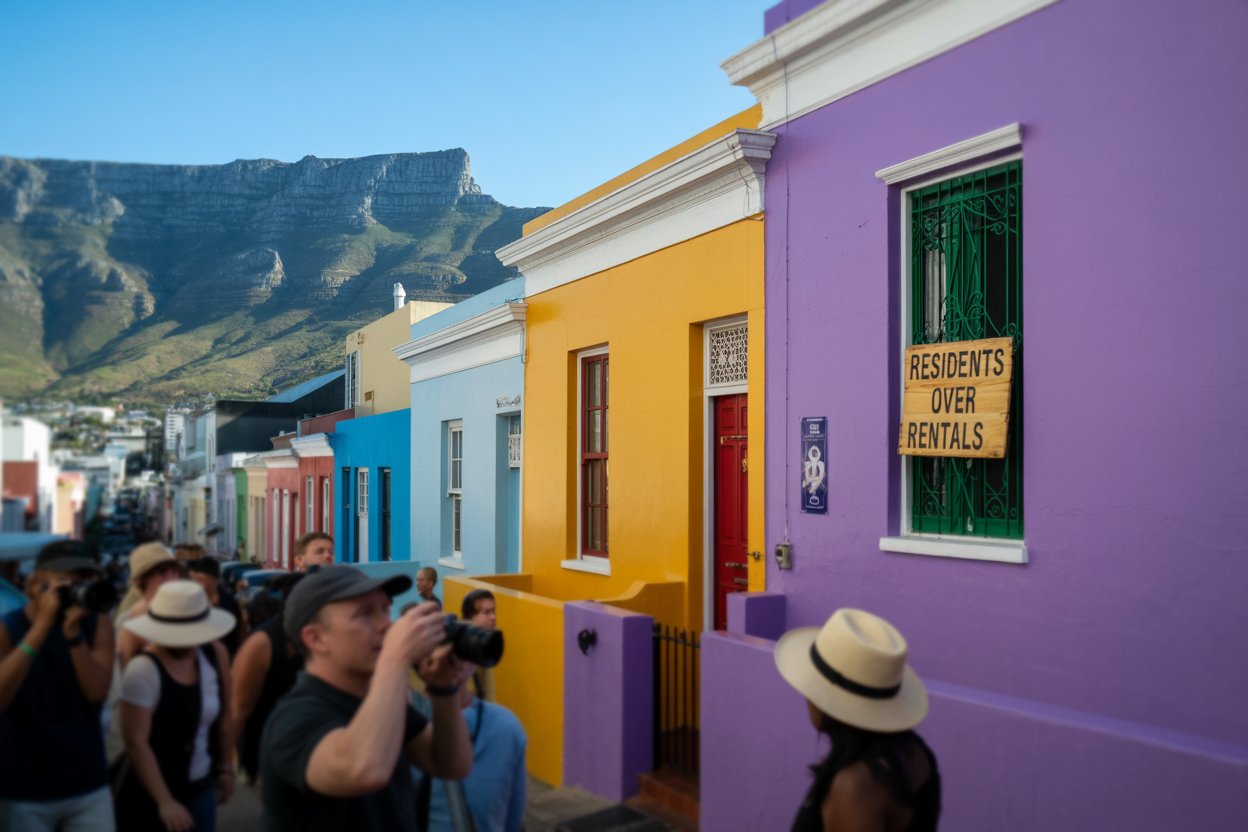
Cape Town’s Overtourism Crisis 2026: Residents Speak Out Against Skyrocketing Rents and Urban Crowdi...
Comprehensive Summarization:
The article discusses the escalating issue of overtourism in Cape Town, South Africa, as of January 2026. While tourism remains a vital sector for the city, contributing over 106,000 jobs and billions to the GDP, the influx of visitors—marked by an 11% increase in international arrivals this festive season—is causing significant strain on local residents. The surge in tourism has led to skyrocketing rents and increased urban crowding, prompting residents to speak out against the negative impacts of overtourism. The city, known for its vibrant neighborhoods and cultural diversity, is witnessing a shift where the very people who contribute to its unique character are being displaced by the growing tourist population.
Key Points:
Actionable Takeaways:
Implement Sustainable Tourism Policies: To mitigate the negative impacts of overtourism, Cape Town should consider implementing stricter sustainable tourism policies. This could include limiting the number of tourist visas issued, promoting off-peak tourism, and incentivizing eco-friendly accommodations. These measures would help balance the economic benefits of tourism with the need to preserve the city’s quality of life for its residents.
Invest in Affordable Housing Solutions: Given the issue of skyrocketing rents, the city should prioritize investing in affordable housing solutions for local residents. This could involve developing public housing projects, offering tax incentives for developers who build affordable housing, or implementing rent control measures. Ensuring that residents can afford to live in the city they contribute to will help maintain the cultural diversity and vibrancy that tourism seeks to celebrate.
Enhance Public Transportation Infrastructure: To reduce the strain on local neighborhoods, Cape Town should invest in enhancing its public transportation infrastructure. Improving access to reliable, affordable public transport will make it easier for residents to commute to work and for tourists to explore the city without overwhelming local infrastructure. This could include expanding bus routes, improving metro services, or introducing bike-sharing programs.
Contextual Insights:
The issue of overtourism in Cape Town is emblematic of a broader trend affecting cities worldwide. As tourism continues to grow, cities must navigate the delicate balance between economic growth and the preservation of residents’ quality of life. The article highlights the need for proactive measures to address the challenges posed by increased visitor numbers, such as sustainable tourism policies, affordable housing solutions, and improved public transportation. These insights are particularly relevant in the context of current industry trends, where the focus on sustainability and community well-being is becoming increasingly important. By adopting these strategies, Cape Town can continue to thrive as a tourist destination while ensuring that its residents are not displaced by the very industry that supports them.
Read the Complete Article.
Boutique Travel VC raises investment cap from $1.5M to $10M to lead rounds and support portfolio companies through growth Travel...
Read moreDetails



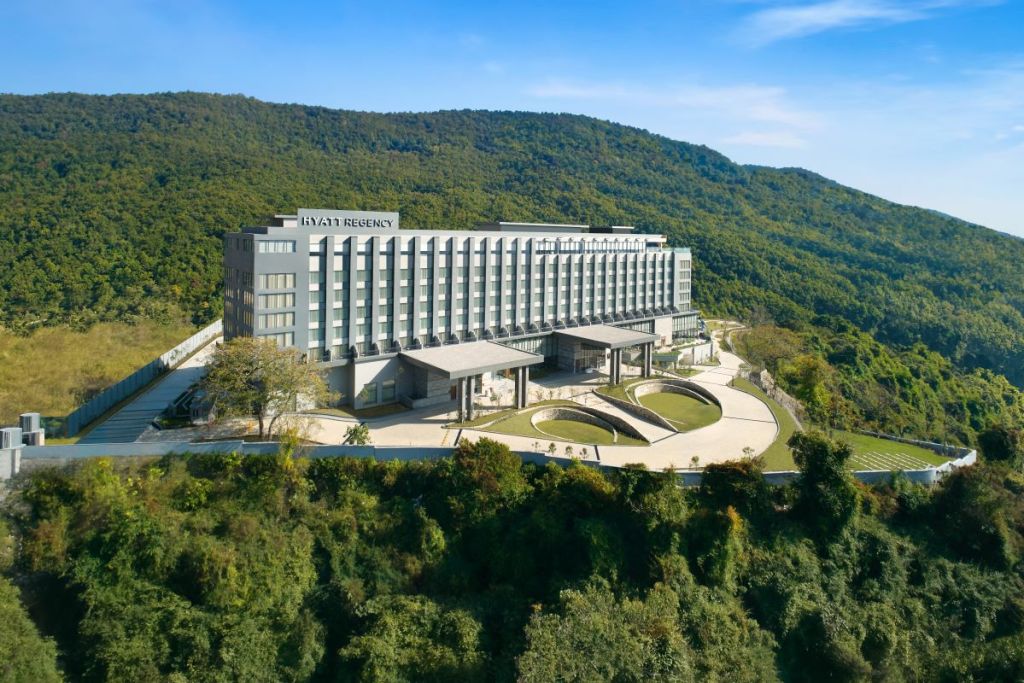
Hyatt Hotels — In short: Hyatt plans to develop a brand concept tailored for India, leveraging local traditions and landscapes....
Read moreDetails
