



















Travel Capitalist Ventures Expands Check Size to $10 Million to Deepen Emerging Market Conviction
Boutique Travel VC raises investment cap from $1.5M to $10M to lead rounds and support portfolio companies through growth Travel...
Read moreDetails

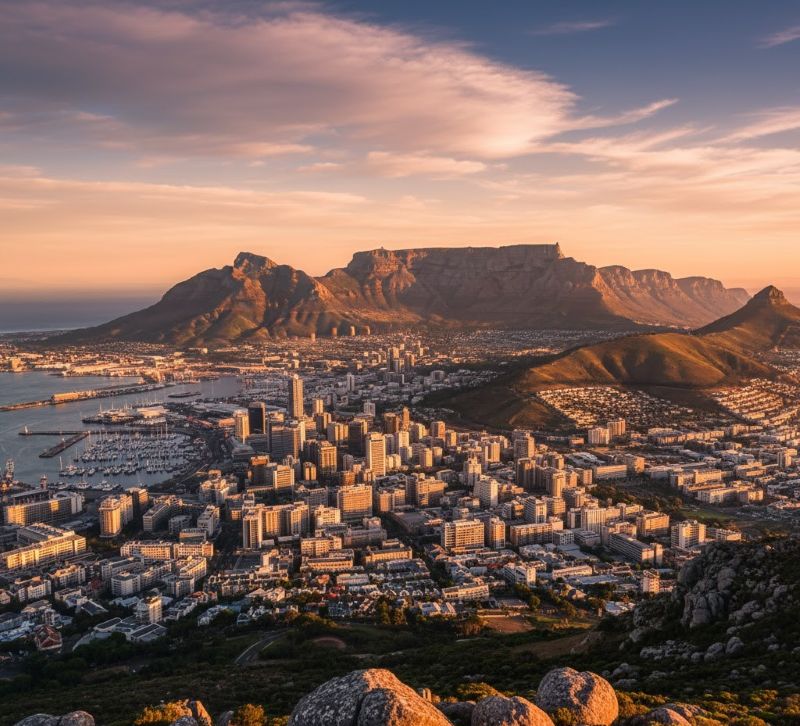
Cape Town Shines as South Africa’s Only City in the Global Travel Spotlight, Here’s Why It’s Unstopp...
Article Summary:
Cape Town, South Africa’s largest urban hub, has been recognized as the only South African city in the 2025 World’s Best Cities report, marking a significant milestone in its rapid transformation. This achievement is attributed to a burgeoning tourism sector, strategic infrastructure investments, and the city’s unique blend of natural beauty and urban sophistication. The recognition underscores Cape Town’s position as a key player in the global travel landscape, highlighting its potential for continued growth and innovation in the travel industry.
Key Points:
Actionable Takeaways:
Contextual Insights:
The recognition of Cape Town as the only South African city in the 2025 World’s Best Cities report reflects broader trends in the global travel industry, where destinations are increasingly competing on the basis of unique offerings and strategic investments. The city’s success is indicative of the growing importance of tourism as a driver of economic development, particularly in emerging markets. As the travel industry continues to evolve, destinations that balance natural and urban attractions while investing in infrastructure are likely to see increased global recognition and economic benefits. This trend suggests that travel startups and fintech innovations focused on enhancing the tourism experience and facilitating seamless travel transactions will play a crucial role in shaping future travel destinations.
Read the Complete Article.
Boutique Travel VC raises investment cap from $1.5M to $10M to lead rounds and support portfolio companies through growth Travel...
Read moreDetails




