
























Travel Capitalist Ventures Expands Check Size to $10 Million to Deepen Emerging Market Conviction
Boutique Travel VC raises investment cap from $1.5M to $10M to lead rounds and support portfolio companies through growth Travel...
Read moreDetails
E-hailing scams cost Cape Town tourists thousands
Article Summary:
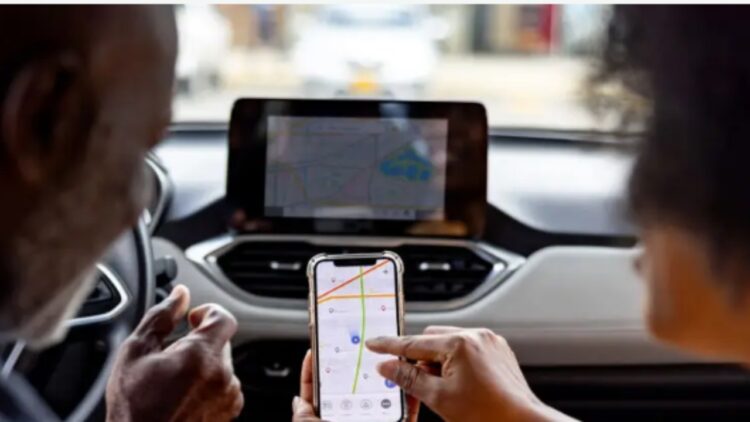
A recent incident involving an e-hailing driver in Cape Town has resulted in a tourist being charged nearly R40,000 for a short trip from the airport to the city center. This has raised concerns among tourism officials and police, who warn that some drivers are inflating fares and refusing cash payments. The issue was discussed at a Cape Town Central Community Police Forum, where chair Marc Truss highlighted the risks of e-hailing scams that can cost tourists up to €2,000. The article also mentions a discount alert from Cape Town Etc, offering half-price experiences in the city.
Key Points:
Actionable Takeaways:
Contextual Insights:
The incident underscores the growing concerns around e-hailing services and their impact on tourist experiences in major cities like Cape Town. The rise of e-hailing has transformed urban transportation, offering convenience and accessibility. However, it also presents challenges such as fare transparency and security issues. As the travel industry continues to evolve, addressing these challenges is crucial for maintaining trust and satisfaction among travelers. Innovations in payment solutions and driver training can play a significant role in mitigating these risks, ensuring a safer and more reliable e-hailing experience. This aligns with broader travel tech trends focusing on enhancing customer safety and satisfaction through technology.
Read the Complete Article.
Boutique Travel VC raises investment cap from $1.5M to $10M to lead rounds and support portfolio companies through growth Travel...
Read moreDetails




