





















Travel Capitalist Ventures Expands Check Size to $10 Million to Deepen Emerging Market Conviction
Boutique Travel VC raises investment cap from $1.5M to $10M to lead rounds and support portfolio companies through growth Travel...
Read moreDetails
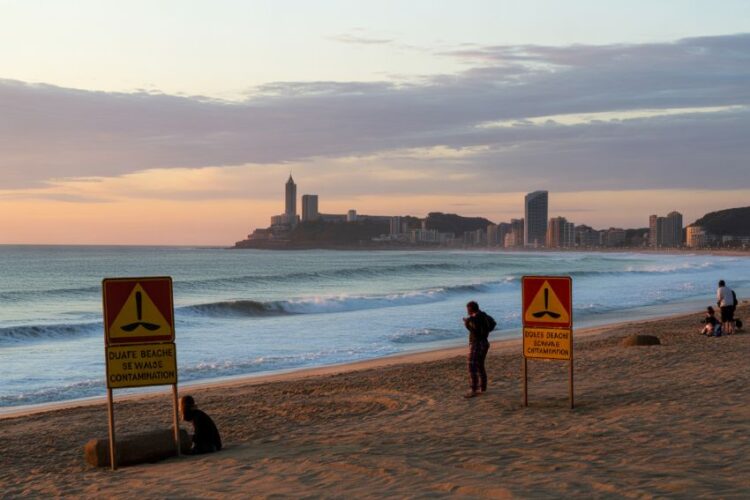
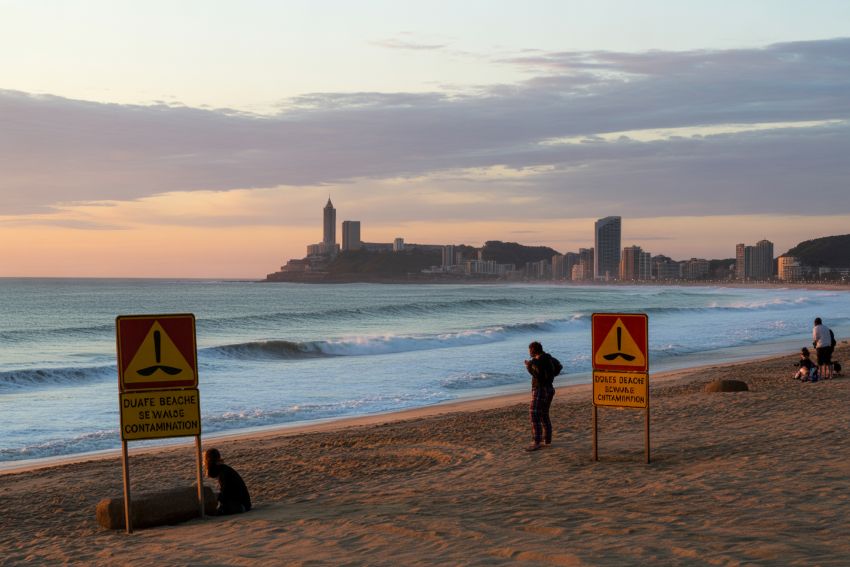
Durban, South Africa Faces Sewage Pollution Crisis as Beaches Close, Threatening Festive Tourism and...
Article Summary:
Durban, South Africa, is currently facing a significant sewage pollution crisis that has led to the temporary closure of several popular beaches during the peak festive travel season in 2025. This issue has impacted key beaches such as Blue Lagoon, eThekwini Beach, Country Club Beach, and Battery Beach, raising concerns about public health and threatening festive tourism. The closures have significant implications for both residents and tourists, especially as Durban prepares for a busy holiday season when thousands typically visit the city’s coastline.
Key Points:
Actionable Takeaways:
Public Health Measures: Implement immediate and robust public health measures to ensure the safety of beachgoers. This could include enhanced water quality testing, immediate remediation efforts to reduce pollution, and clear communication to the public about beach safety. Relevance: Ensures the well-being of tourists and residents, maintaining Durban’s reputation as a safe tourist destination.
Invest in Water Treatment Infrastructure: Allocate resources to upgrade and maintain water treatment facilities to prevent future pollution incidents. Relevance: Addresses the root cause of the problem, enhancing long-term sustainability and safety of coastal areas.
Promote Alternative Tourism Activities: Encourage tourists to explore alternative activities and destinations within Durban that do not rely on beach access, such as cultural tours, indoor attractions, or inland attractions. Relevance: Helps mitigate the economic impact on the tourism sector while providing diverse options for visitors.
Contextual Insights:
The sewage pollution crisis in Durban highlights the pressing need for sustainable water management practices in coastal tourism destinations. This incident underscores the broader trend of increasing environmental challenges faced by the travel industry, particularly in regions heavily reliant on beach tourism. As the world becomes more conscious of environmental sustainability, travel destinations must adapt by investing in green technologies and infrastructure. The incident also emphasizes the importance of proactive communication and public health measures in maintaining the trust and safety of tourists. Looking forward, the travel industry should focus on integrating sustainable practices and leveraging technology to mitigate environmental risks, ensuring the longevity and appeal of coastal destinations like Durban.
Read the Complete Article.
Boutique Travel VC raises investment cap from $1.5M to $10M to lead rounds and support portfolio companies through growth Travel...
Read moreDetails



Comprehensive Summarization: The World Travel & Tourism Council (WTTC) has released its latest report, "Cruising for Impact," which highlights the...
Read moreDetails
