

















Travel Capitalist Ventures Expands Check Size to $10 Million to Deepen Emerging Market Conviction
Boutique Travel VC raises investment cap from $1.5M to $10M to lead rounds and support portfolio companies through growth Travel...
Read moreDetails
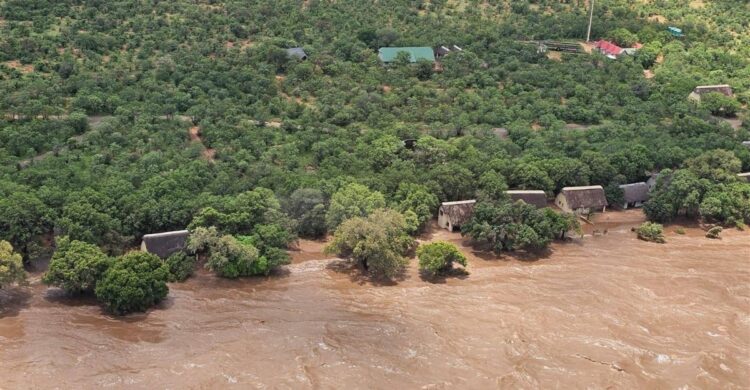
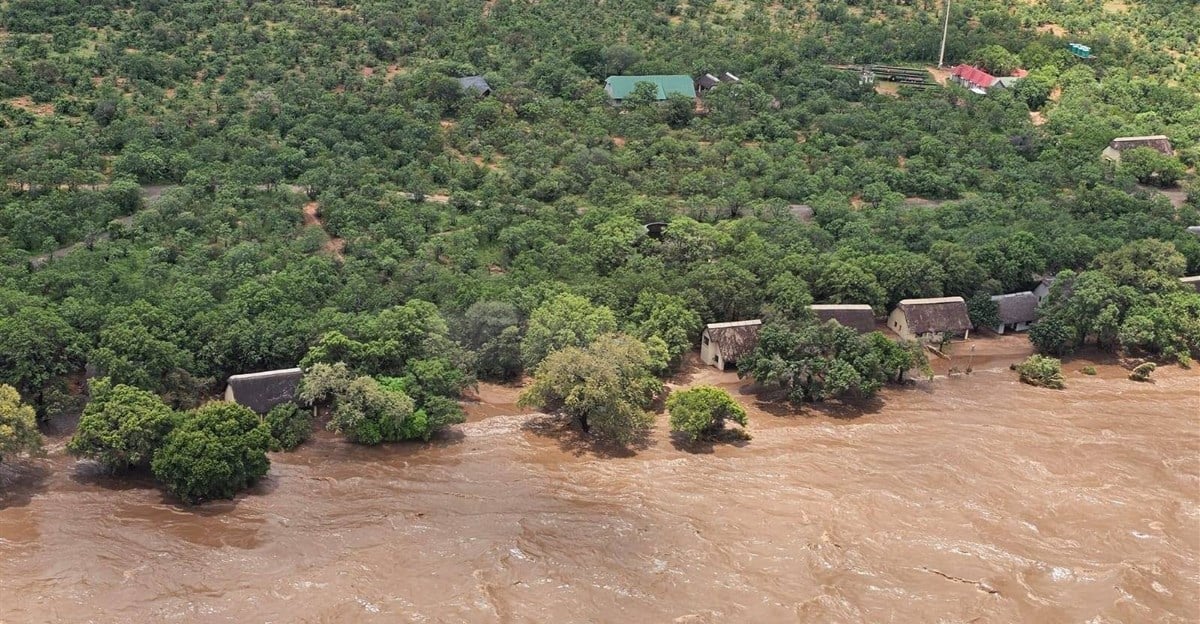
Flooding forces full suspension of tourism activities
Comprehensive Summarization:
The article reports that persistent heavy rainfall in Kruger National Park (KNP) has led to the suspension of day visitor access, with entry now limited to essential vehicles, overnight guests, and staff. This decision is due to flooding and damaged roads, particularly affecting the northern regions of the park. Satara Rest Camp, where staff live quarters were flooded, has seen evacuations. The article highlights the ongoing impact on park accessibility and the measures taken by SANParks to manage the situation.
Key Points:
Actionable Takeaways:
Impact on Tourism Operations: The suspension of day visitor access will significantly impact tourism operations in Kruger National Park. This measure may lead to a temporary decline in park revenue and necessitate a review of visitor management strategies. It underscores the vulnerability of tourism-dependent economies to natural disasters and the need for robust contingency planning.
Focus on Essential Services: The decision to limit access to essential vehicles, overnight guests, and staff highlights a shift towards prioritizing critical services and personnel. This approach could set a precedent for other national parks facing similar challenges, emphasizing the importance of essential service delivery during adverse weather conditions.
Contextual Insights:
The article reflects the broader context of climate change and its increasing impact on travel destinations. Severe weather events, such as heavy rainfall, are becoming more frequent and severe, posing challenges for park management and visitor safety. This situation aligns with the growing trend of adaptive management in the travel industry, where organizations must quickly respond to environmental changes. The focus on essential services and the suspension of day visitor access are indicative of a broader industry trend towards risk management and resilience planning. Furthermore, the article’s context suggests a need for enhanced communication strategies to inform visitors and stakeholders about the situation, ensuring transparency and managing expectations during such disruptions.
Read the Complete Article.
Boutique Travel VC raises investment cap from $1.5M to $10M to lead rounds and support portfolio companies through growth Travel...
Read moreDetails



Comprehensive Summarization: The article reports on the stabilization of the UAE aviation industry, with a significant milestone being the full...
Read moreDetails
