






















Travel Capitalist Ventures Expands Check Size to $10 Million to Deepen Emerging Market Conviction
Boutique Travel VC raises investment cap from $1.5M to $10M to lead rounds and support portfolio companies through growth Travel...
Read moreDetails
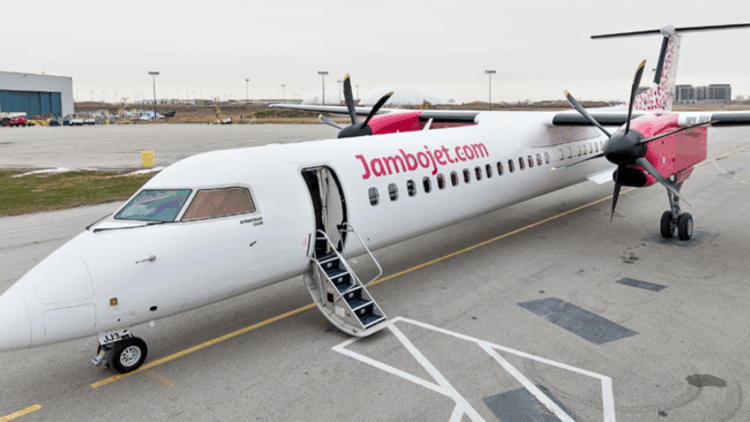
Jambojet plans ambitious expansion | Southern & East African Tourism Update
Article Summary:
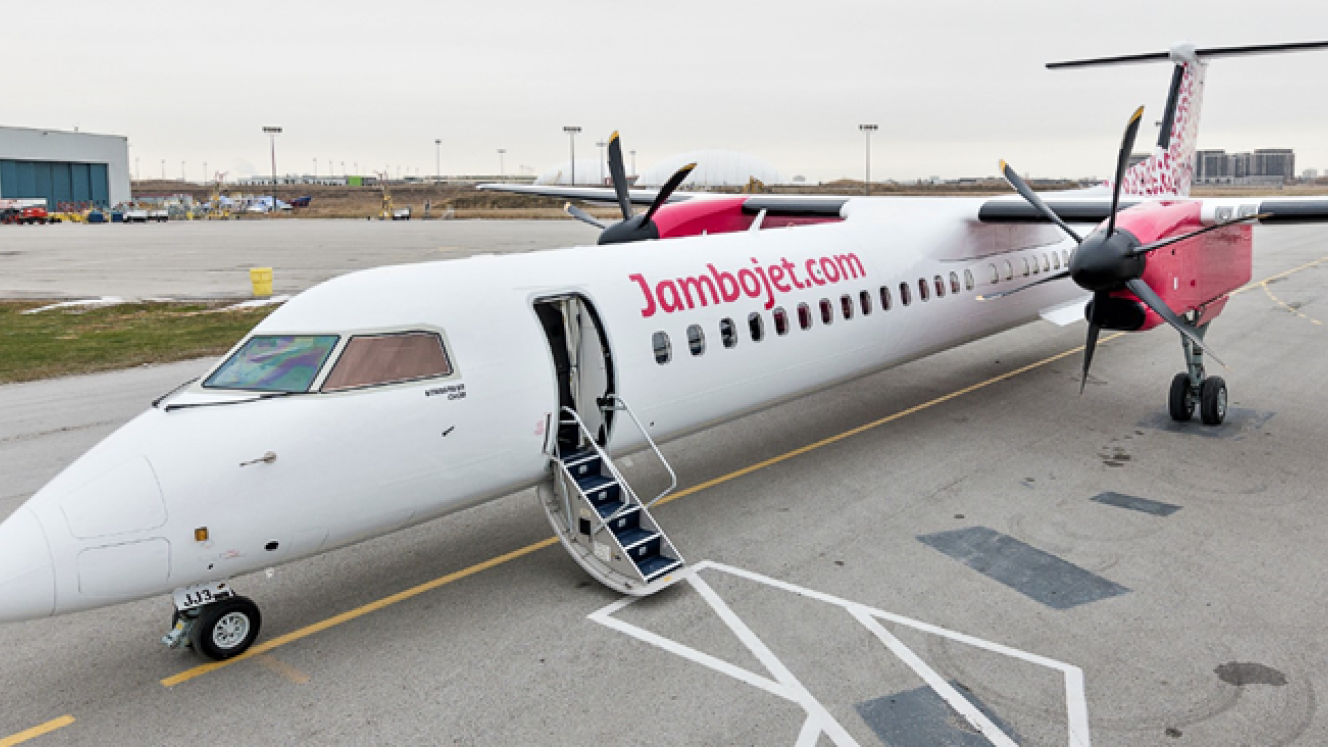
Jambojet, a Kenyan low-cost carrier, is preparing for its most significant expansion since its launch over a decade ago. The airline plans to triple its fleet and extend operations across East, West, and Southern Africa. Currently operating nine De Havilland Dash 8-400 turboprops on domestic and short regional routes, Jambojet aims to add two more aircraft within the next year and intends to triple its fleet over the next five years. The carrier is also assessing the introduction of jet aircraft to enable longer-range operations while maintaining a low-cost model. This expansion reflects the airline’s strategy to grow its market presence and enhance connectivity across East Africa.
Key Points:
Actionable Takeaways:
Contextual Insights:
The expansion plans of Jambojet are indicative of the broader trends in the travel industry, particularly in emerging markets like East Africa. The demand for affordable and accessible air travel is on the rise, driven by economic growth and increasing middle-class populations. Airlines like Jambojet are well-positioned to capitalize on this trend by offering low-cost, high-frequency services that cater to both domestic and international travelers. The focus on fleet expansion and longer-range operations aligns with the industry’s shift towards more extensive network coverage and improved connectivity.
Moreover, the airline’s strategy reflects a broader industry trend towards technological integration and operational efficiency. As the travel sector continues to evolve, innovations in aircraft technology, route planning, and cost management will play a crucial role in shaping the competitive landscape. Jambojet’s approach to balancing fleet growth with cost control sets a precedent for other airlines aiming to expand in the region. By leveraging these insights, industry stakeholders can better navigate the evolving travel market and identify opportunities for growth and innovation.
Read the Complete Article.
Boutique Travel VC raises investment cap from $1.5M to $10M to lead rounds and support portfolio companies through growth Travel...
Read moreDetails




