










No products in the cart.
- Latest
- Trending

Grounded aircraft hit Kenya Airways results
Comprehensive Summarization:
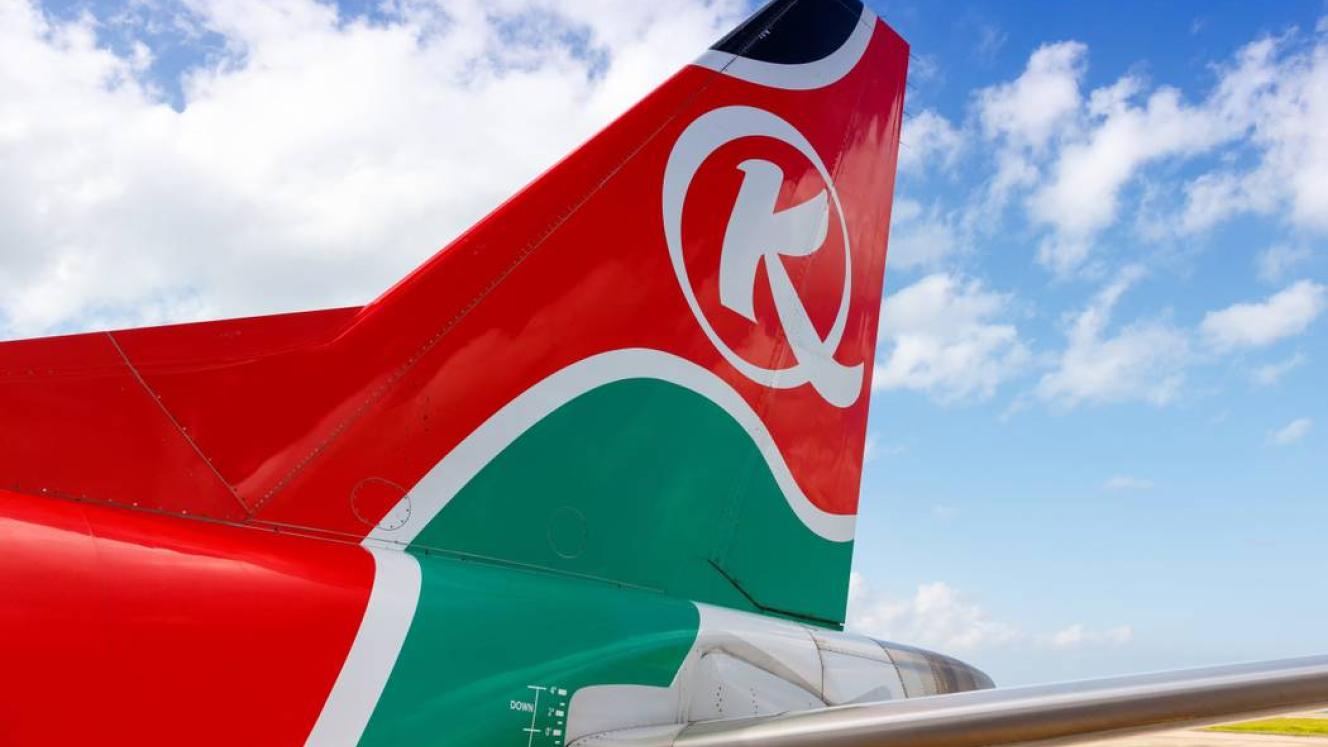
Kenya Airways reported a significant loss of KES17,2bn (US$132m) after tax for 2025, marking its first loss in a decade. The airline’s total revenue for 2025 was KES161bn (US$1.2bn), a 14% decrease from the previous year, primarily due to a 13% drop in passenger numbers and an 18% reduction in capacity. The decline was exacerbated by the temporary grounding of three Boeing 787-8 Dreamliner aircraft due to global supply chain constraints and limited engine availability, leading to reduced capacity across key routes. Despite the financial challenges, the airline attributes the loss mainly to these global supply chain disruptions.
Key Points:
Actionable Takeaways:
Contextual Insights:
The financial challenges faced by Kenya Airways highlight broader trends in the travel industry, such as the increasing impact of global supply chain disruptions and the need for operational agility. The airline’s experience underscores the importance of adaptability in a volatile market. As the industry moves forward, there is a growing emphasis on leveraging technology and data analytics to enhance decision-making processes and improve operational efficiency. Startups and fintech innovations are also playing a pivotal role in reshaping travel logistics and financial management, offering new solutions to age-old challenges. The insights from this article align with the current industry trend of focusing on resilience, efficiency, and innovation to navigate the complexities of modern travel.
Read the Complete Article.
Get curated travel AI insights — choose the newsletters that matter to you.
This spot is reserved for brands with a compelling story for the travel trade. They use this space to cut...
Read moreDetailsALTOUR Expands into Thailand, Strengthening Corporate Travel Network Across Southeast Asia BANGKOK, THAILAND (25 March, 2026) – ALTOUR, a leading...
Read moreDetails


Comprehensive Summarization: Kenya Airways reported a significant loss of KES17,2bn (US$132m) after tax for 2025, marking its first loss in...
Read moreDetails