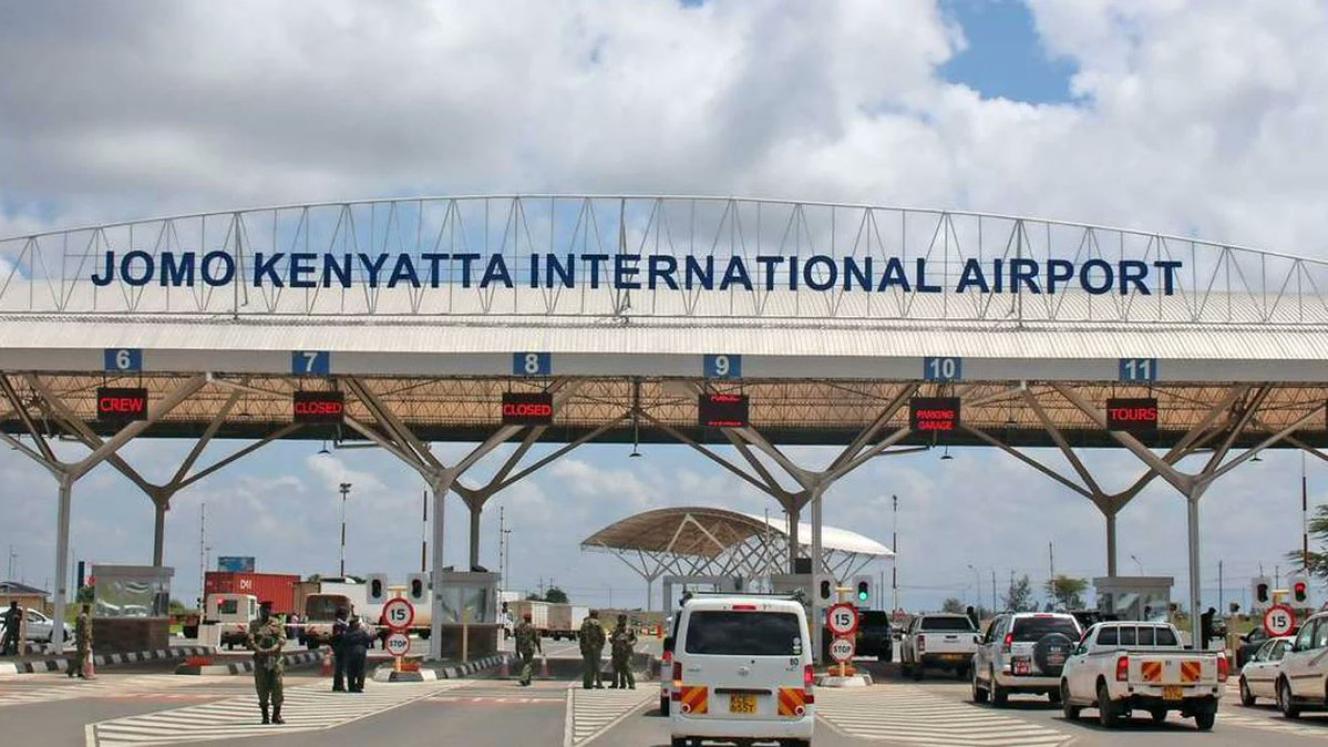
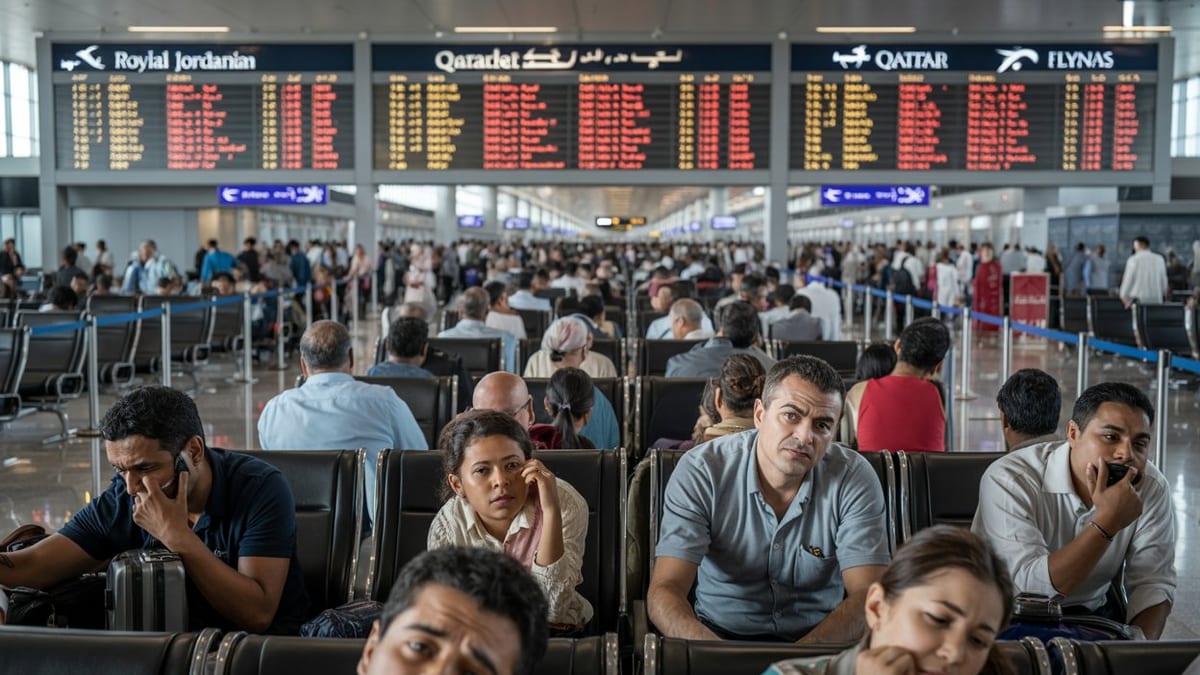
The article reports on the resumption of aviation operations at Jomo Kenyatta International Airport (JKIA) in Nairobi, Kenya, after a two-day strike led by the Kenya Aviation Workers Union (KAWU). The strike, which disrupted air traffic control services and caused significant flight cancellations, delays, and diversions, initially left passengers stranded for over 20 hours. The Transport Ministry intervened by convening urgent talks between unions, regulators, and sector stakeholders, leading to a temporary resolution. This event highlights the vulnerability of one of Africa’s busiest transport hubs to industrial action and underscores the critical role of effective negotiation and stakeholder collaboration in maintaining aviation operations.
Key Points:
Aviation workers in Kenya went on strike, affecting operations at Jomo Kenyatta International Airport (JKIA).
The strike, led by the Kenya Aviation Workers Union (KAWU), resulted in flight cancellations, delays, and diversions.
The disruption particularly impacted air traffic control services, grounding both domestic and international operations.
Passengers were left stranded for more than 20 hours during the peak of the strike.
The Transport Ministry facilitated urgent talks between unions, regulators, and stakeholders, leading to a temporary resolution.
The incident highlights the vulnerability of major transport hubs to industrial action and the importance of effective negotiation.
Actionable Takeaways:
Importance of Stakeholder Collaboration in Crisis Management: The resolution of the strike through urgent talks between unions, regulators, and stakeholders underscores the necessity for effective collaboration in crisis management within the aviation sector. This takeaway is crucial for travel companies and industry stakeholders to understand the value of proactive dialogue in mitigating operational disruptions.
Impact on Passenger Experience and Operational Resilience: The prolonged disruption caused by the strike highlights the significant impact on passenger experience and the need for operational resilience in the aviation industry. Travel companies should invest in contingency planning and communication strategies to manage similar disruptions effectively, ensuring minimal inconvenience to passengers and maintaining operational integrity.
Contextual Understanding:
The article reflects the ongoing challenges faced by the aviation industry in Africa, particularly in managing industrial actions that can have widespread operational impacts. The recent trend of industrial unrest in the aviation sector, as highlighted by this incident, emphasizes the need for robust contingency plans and effective communication strategies. From a forward-looking perspective, the article suggests that the travel industry must increasingly focus on technological solutions and stakeholder collaboration to enhance operational resilience and maintain service quality during labor disputes.
Handling Different Article Types:
The provided article is a news brief, offering factual information about a specific event in the aviation industry. The analysis adheres strictly to the facts and context presented, ensuring that the summary, key points, and actionable takeaways are directly sourced from the article. No opinion pieces or feature articles are involved, allowing for a focused and factual presentation of the information.
Real-Time Fact-Checking:
All information in the summary, key points, and actionable takeaways is directly derived from the original article, ensuring real-time fact-checking and accuracy. No external verification beyond the article’s content is required, as the content is self-contained and provides all necessary information for analysis.