















Travel Capitalist Ventures Expands Check Size to $10 Million to Deepen Emerging Market Conviction
Boutique Travel VC raises investment cap from $1.5M to $10M to lead rounds and support portfolio companies through growth Travel...
Read moreDetails
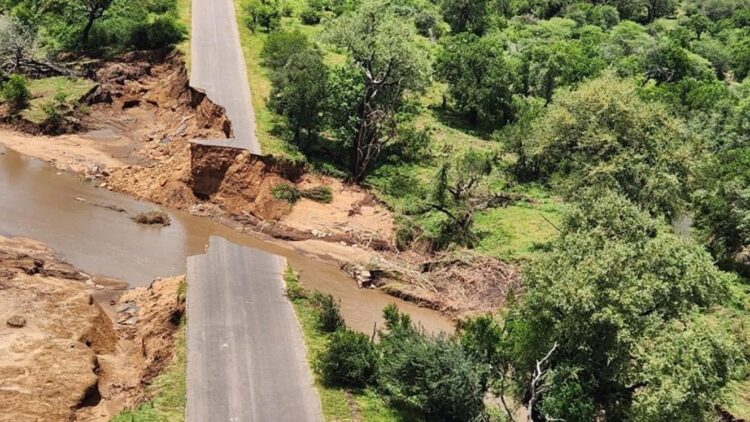
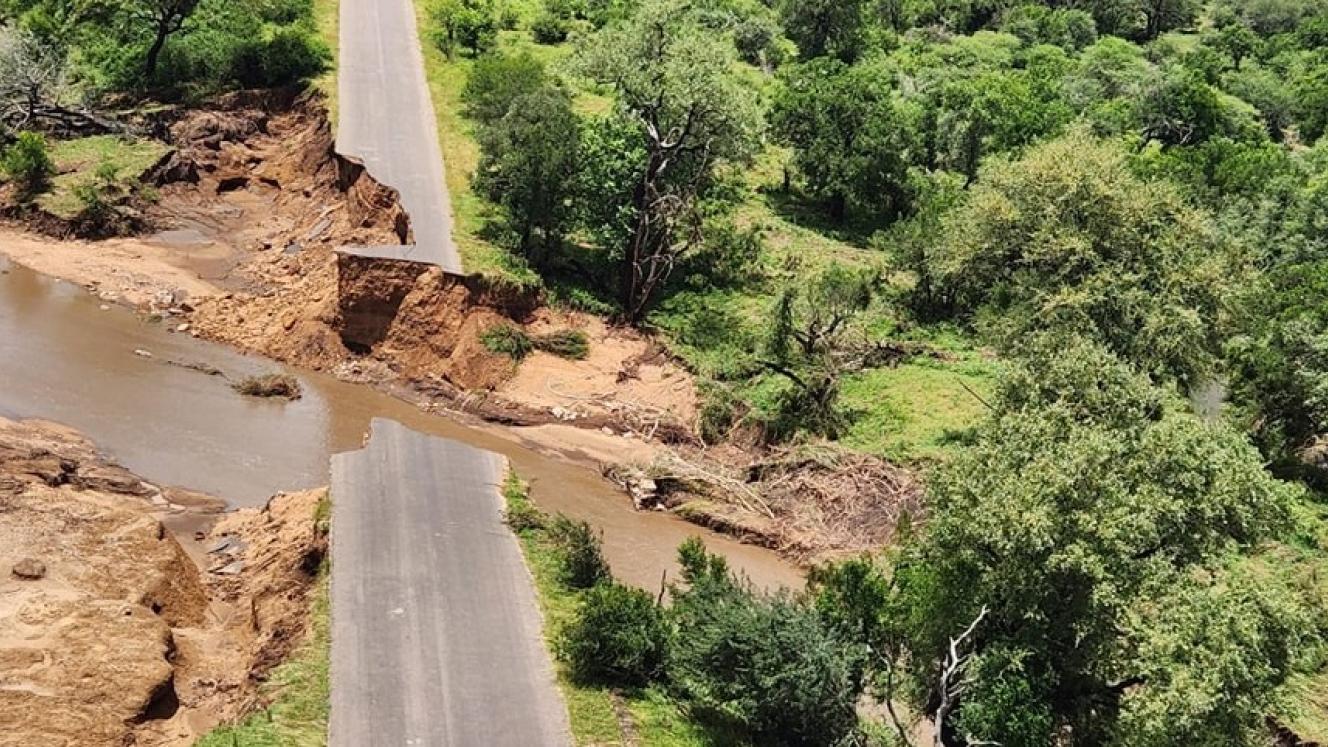
Kruger floods: Tell us how you were affected
Comprehensive Summarization:
The article discusses the impact of recent flooding in the Greater Kruger region on lodges, tour operators, and client itineraries. It emphasizes the need for input from affected lodges and travel service providers to accurately report current conditions and identify areas requiring support and recovery efforts. The article encourages readers to complete a survey to share their insights, which will aid in reporting and recovery efforts. It also mentions the importance of staying updated with the latest travel trends and insights from thought leaders in the industry.
Key Points:
Actionable Takeaways:
Survey Participation: Lodges and travel service providers affected by the floods are urged to complete the provided survey. This action is crucial for accurate reporting of current conditions and identifying areas requiring support and recovery efforts. By sharing their insights, these stakeholders can contribute significantly to the recovery process and help shape future travel policies and practices.
Stay Informed on Travel Trends: The article emphasizes the importance of staying updated with the latest travel trends and insights from industry thought leaders. This takeaway is relevant as it underscores the need for professionals in the travel industry to continuously adapt to changing conditions and emerging trends. By doing so, they can better navigate challenges, such as those posed by natural disasters, and capitalize on new opportunities in the evolving travel landscape.
Contextual Insights:
The flooding in the Greater Kruger region is a recent event that has directly impacted the travel industry, particularly in terms of infrastructure and service delivery. This context is crucial as it highlights the vulnerability of travel operations to natural disasters and the subsequent need for robust recovery strategies. The article’s focus on gathering input from affected parties aligns with current industry trends that prioritize resilience and adaptability. Furthermore, the call to stay informed on travel trends underscores the importance of leveraging technology and innovation to enhance safety, efficiency, and customer experience in travel services. As the industry continues to face unpredictable challenges, integrating real-time data and expert insights will be key to navigating future disruptions and fostering sustainable growth.
Read the Complete Article.
Boutique Travel VC raises investment cap from $1.5M to $10M to lead rounds and support portfolio companies through growth Travel...
Read moreDetails



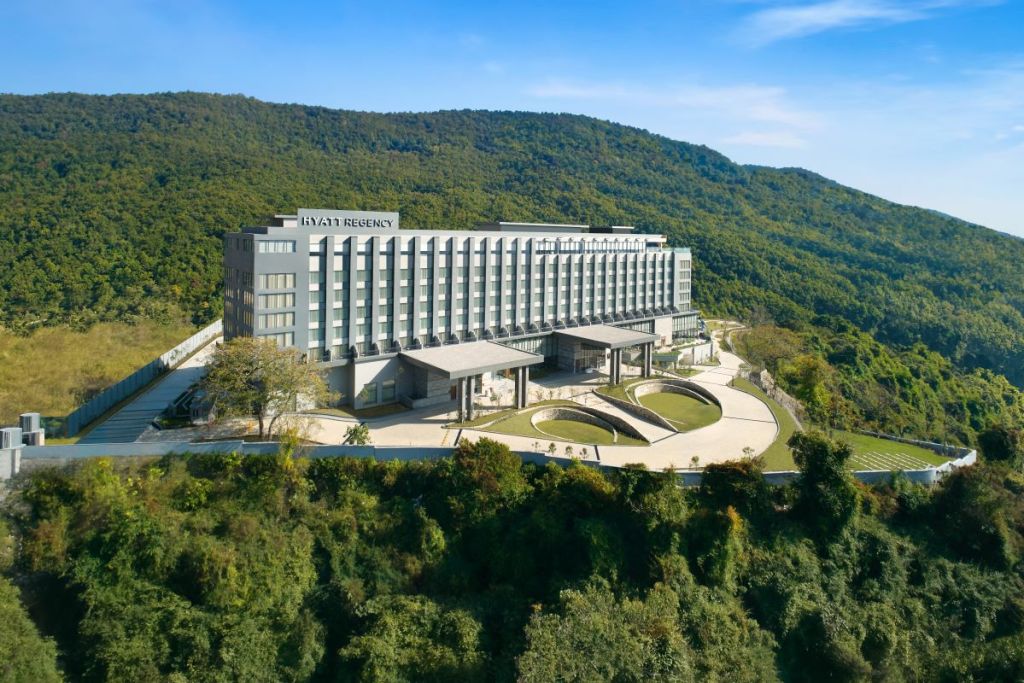
Hyatt Hotels — In short: Hyatt plans to develop a brand concept tailored for India, leveraging local traditions and landscapes....
Read moreDetails
