


















Travel Capitalist Ventures Expands Check Size to $10 Million to Deepen Emerging Market Conviction
Boutique Travel VC raises investment cap from $1.5M to $10M to lead rounds and support portfolio companies through growth Travel...
Read moreDetails
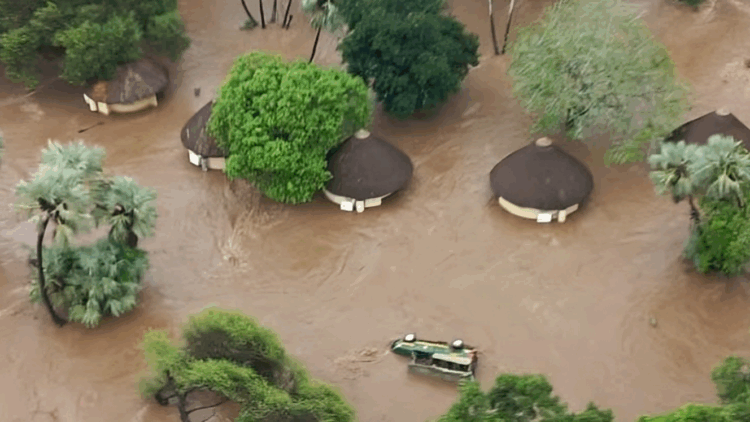
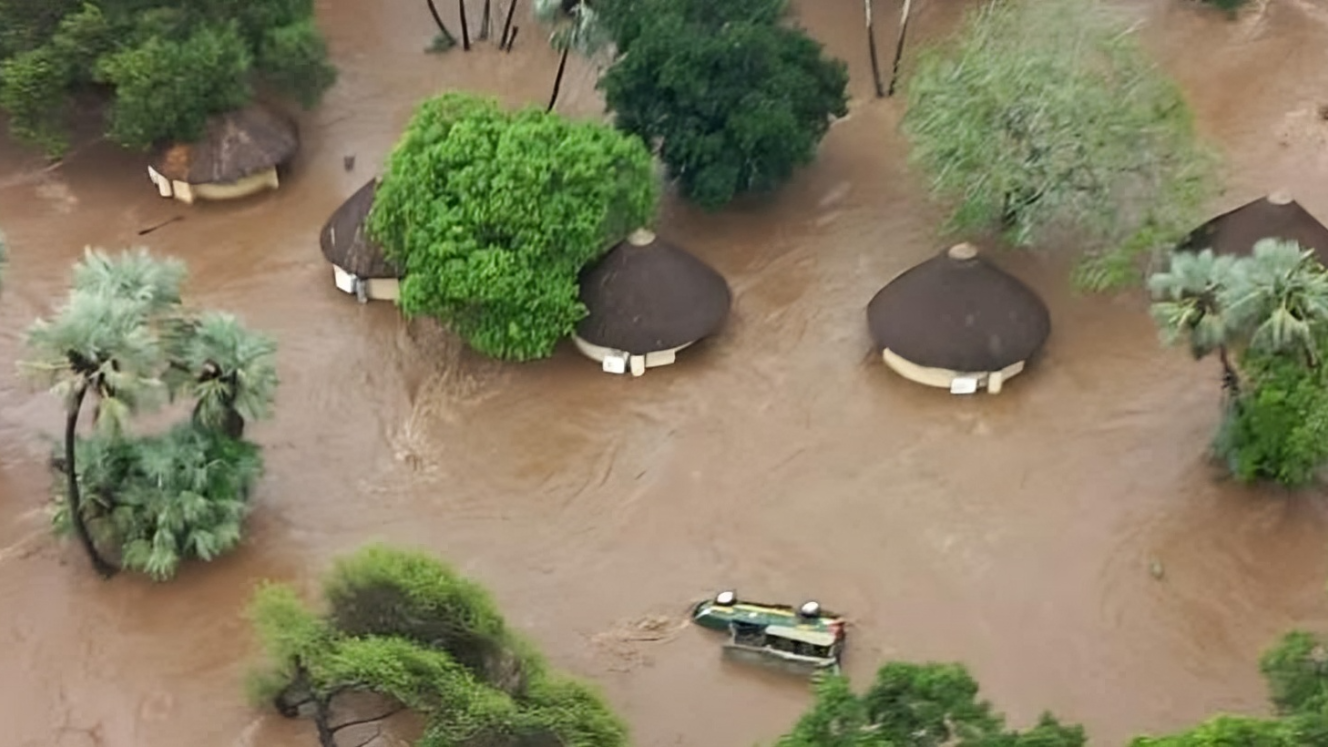
A Level 10 disruptive rain warning is in place over the KNP and surrounds for Friday. Source: SAWS
Comprehensive Summarization:
The article reports that due to persistent rainfall, the South African National Parks (SANParks) has suspended all day visits to Kruger National Park (KNP) to focus on emergency response measures. SANParks Head of Communications JP Louw emphasized the organization’s preference to prioritize real emergencies and guest, staff, and community safety over non-essential travel within the park. The latest footage from SANParks and visitors shows the complete submersion of bridges on the Crocodile, Olifants, and Sabie rivers, further highlighting the impact of the heavy rainfall on park infrastructure. This situation underscores the challenges faced by the travel industry in managing operations during adverse weather conditions and the importance of resource allocation towards safety and emergency response.
Key Points:
Actionable Takeaways:
Resource Allocation for Safety: Parks and travel destinations must prioritize resource allocation towards safety and emergency response during adverse weather conditions. This ensures the well-being of guests, staff, and surrounding communities, which is crucial for maintaining trust and reputation in the industry.
Flexible Travel Policies: Travel companies should develop flexible travel policies that allow for adjustments or cancellations in response to severe weather events. This adaptability can help mitigate financial losses and maintain customer satisfaction during unexpected disruptions.
Contextual Insights:
The suspension of day visits to Kruger National Park due to heavy rainfall and the subsequent focus on emergency response measures exemplify the travel industry’s vulnerability to natural disasters. This situation is reflective of broader trends in the industry, where weather-related disruptions can significantly impact operations and visitor safety. The emphasis on prioritizing safety over non-essential travel aligns with emerging industry practices that emphasize risk management and customer well-being. Furthermore, the submersion of park infrastructure, such as bridges, underscores the need for robust infrastructure planning and maintenance in travel destinations. As the travel industry continues to evolve, integrating advanced technologies for real-time weather monitoring and adaptive resource management will be crucial in mitigating the impacts of adverse weather conditions. This forward-looking perspective highlights the importance of innovation in travel tech and fintech solutions to enhance operational resilience and customer experience in the face of unpredictable environmental challenges.
Read the Complete Article.
Boutique Travel VC raises investment cap from $1.5M to $10M to lead rounds and support portfolio companies through growth Travel...
Read moreDetails



Comprehensive Summarization: The article reports on the stabilization of the UAE aviation industry, with a significant milestone being the full...
Read moreDetails
