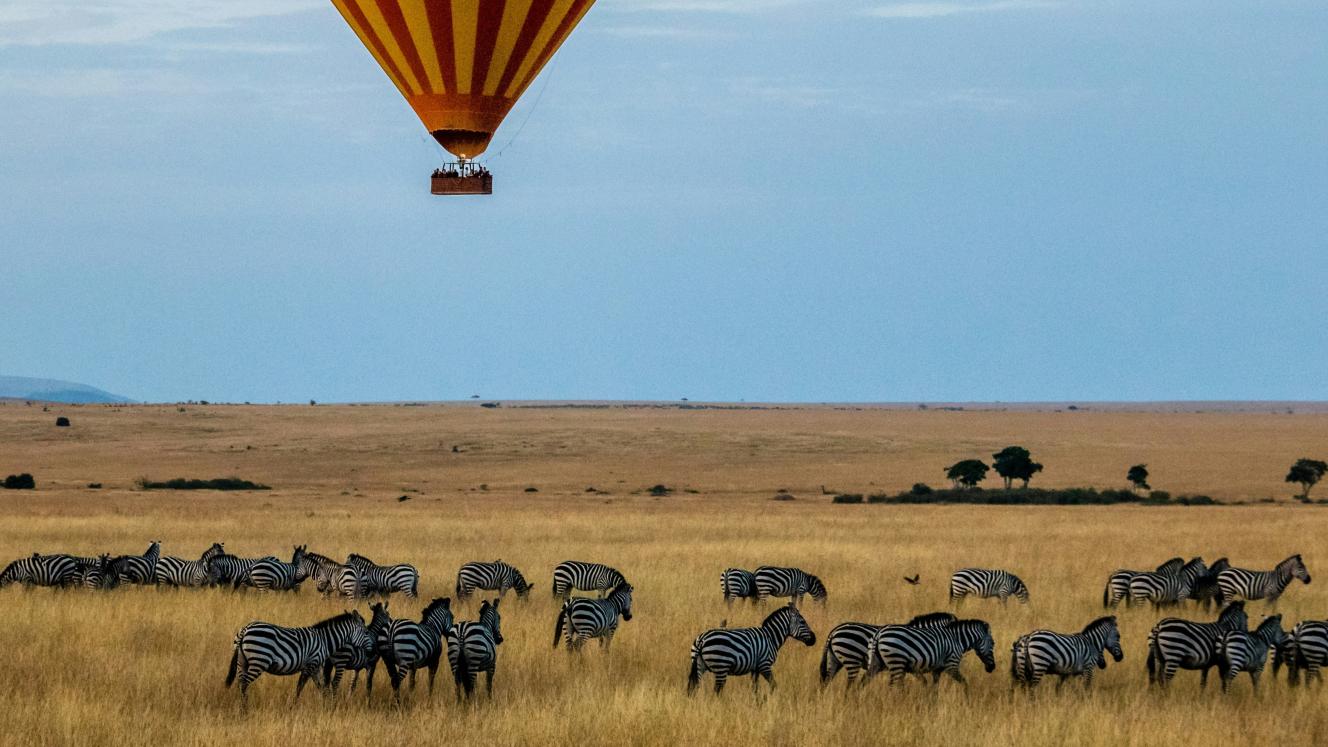
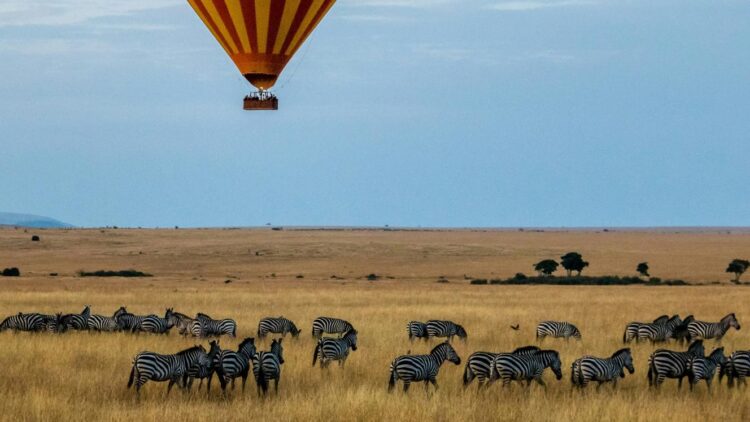
The article discusses the significant increase in the number of tourism camps in the Maasai Mara National Reserve, rising from approximately 183 between 2006 and 2025, as reported by the Mara Conservancies and Kenya Wildlife Trust. This growth has raised concerns about compliance with the reserve’s management framework. Kasoe Dominic, CEO of the community-based organization Resolute Rise, highlights the adverse effects of this rapid development, including disruption of wildlife movement corridors, increased overcrowding, and pressure on natural resources such as water and land. The article underscores the ecological consequences of encroaching on large sections of wildlife habitat, emphasizing the urgent need for regulatory measures to prevent long-term damage to the Mara’s wildlife and natural environment.
Key Points:
The number of tourism camps in the Maasai Mara National Reserve has increased to about 183 between 2006 and 2025.
This growth has led to disruptions in wildlife movement corridors and increased overcrowding.
The rapid development has placed pressure on natural resources like water and land.
Kasoe Dominic, CEO of Resolute Rise, emphasizes the ecological consequences of encroaching on wildlife habitat.
There is an urgent need for regulatory measures to manage this development to ensure the long-term survival of the Mara’s wildlife and natural resources.
Actionable Takeaways:
Regulatory Framework Enhancement: There is a clear need for stricter regulatory measures to manage the growth of tourism camps in the Maasai Mara National Reserve. Implementing and enforcing guidelines that balance tourism development with wildlife conservation and natural resource protection is crucial. This action is essential to prevent further ecological degradation and ensure sustainable tourism practices.
Community Involvement and Stakeholder Collaboration: Engaging local communities, such as those represented by organizations like Resolute Rise, in the planning and management of tourism activities can lead to more sustainable outcomes. Collaborative efforts can help in developing tourism models that respect wildlife habitats and natural resources while providing economic benefits to local communities.
Contextual Understanding:
The article reflects current concerns within the travel and conservation sectors regarding the balance between tourism development and ecological preservation. The rapid increase in tourism camps in the Maasai Mara National Reserve highlights a broader trend observed in many national parks and reserves worldwide, where tourism growth often outpaces conservation efforts. This situation is exacerbated by the increasing global demand for travel experiences, which often leads to overdevelopment and resource depletion. The insights provided by Kasoe Dominic and the Mara Conservancies underscore the importance of integrating community perspectives and regulatory frameworks to mitigate these challenges. As the travel industry continues to evolve, incorporating sustainable practices and stakeholder collaboration will be key to maintaining the ecological integrity of protected areas while supporting economic growth.
Handling Different Article Types:
The article in question is a news brief, providing factual information about the growth of tourism camps in the Maasai Mara National Reserve and their ecological impacts. The structured output format ensures that the summary, key points, actionable takeaways, and contextual insights are presented in a clear and professional manner, suitable for a professional audience. This format allows for easy integration into reports, presentations, or other professional materials, facilitating informed decision-making and strategic planning within the travel industry.