Article Summary:
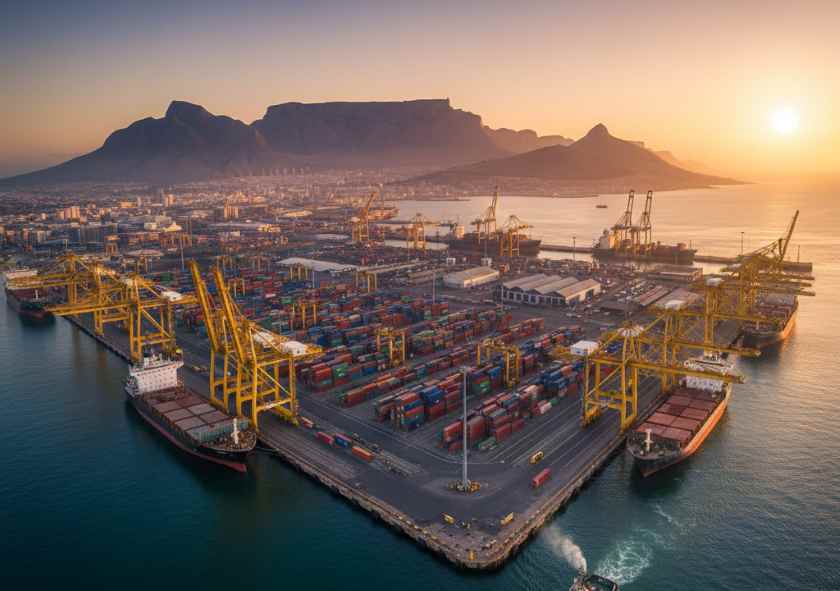
Cape Town is emerging as a central hub for international cruising with the debut of TUI Cruises’ new flagship, Mein Schiff Flow. Scheduled to embark on an 18-night repositioning voyage from Cape Town to the Middle East in late 2026, this development underscores the city’s growing significance in global cruise tourism. The voyage is part of TUI Cruises’ broader expansion strategy, highlighting Cape Town’s increasing role as a key stopover linking southern Africa to Europe and the Arabian Gulf.
Key Points:
- TUI Cruises has introduced Mein Schiff Flow, a new flagship ship, to Cape Town.
- The ship is set to embark on an 18-night repositioning voyage from Cape Town to the Middle East in late 2026.
- This repositioning voyage is part of TUI Cruises’ expansion strategy, emphasizing Cape Town’s growing role in global cruise tourism.
- The voyage links southern Africa to Europe and the Arabian Gulf, solidifying Cape Town’s significance in international cruising.
Actionable Takeaways:
- Cape Town as a Cruise Hub: The debut of Mein Schiff Flow in Cape Town signals a strategic shift, positioning the city as a key hub for international cruising. This development could attract more cruise lines to the region, fostering growth in the local tourism industry. It highlights the importance of strategic location choices for cruise operators aiming to expand their global reach.
- Expansion Strategy of TUI Cruises: TUI Cruises’ decision to introduce Mein Schiff Flow and its repositioning voyage to Cape Town underscores a broader expansion strategy. This move could set a precedent for other cruise lines, potentially leading to increased competition and innovation in the cruise industry. For stakeholders in the travel industry, this could mean new opportunities for partnerships, collaborations, and market expansion in the Southern African region.
- Linking Southern Africa to Global Markets: The voyage’s route emphasizes Cape Town’s role as a strategic stopover linking southern Africa to Europe and the Arabian Gulf. This connectivity could enhance trade and tourism flows between these regions, benefiting local economies. For businesses and investors, this presents opportunities in logistics, hospitality, and tourism sectors, particularly those focused on connecting African markets with global destinations.
Read the Complete Article.