














Travel Capitalist Ventures Expands Check Size to $10 Million to Deepen Emerging Market Conviction
Boutique Travel VC raises investment cap from $1.5M to $10M to lead rounds and support portfolio companies through growth Travel...
Read moreDetails
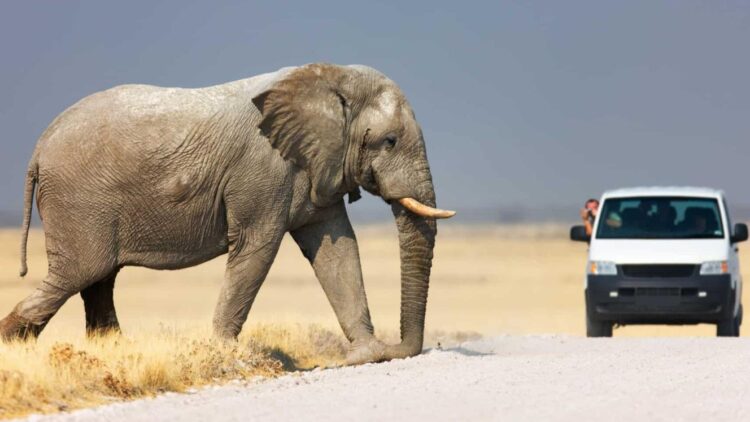
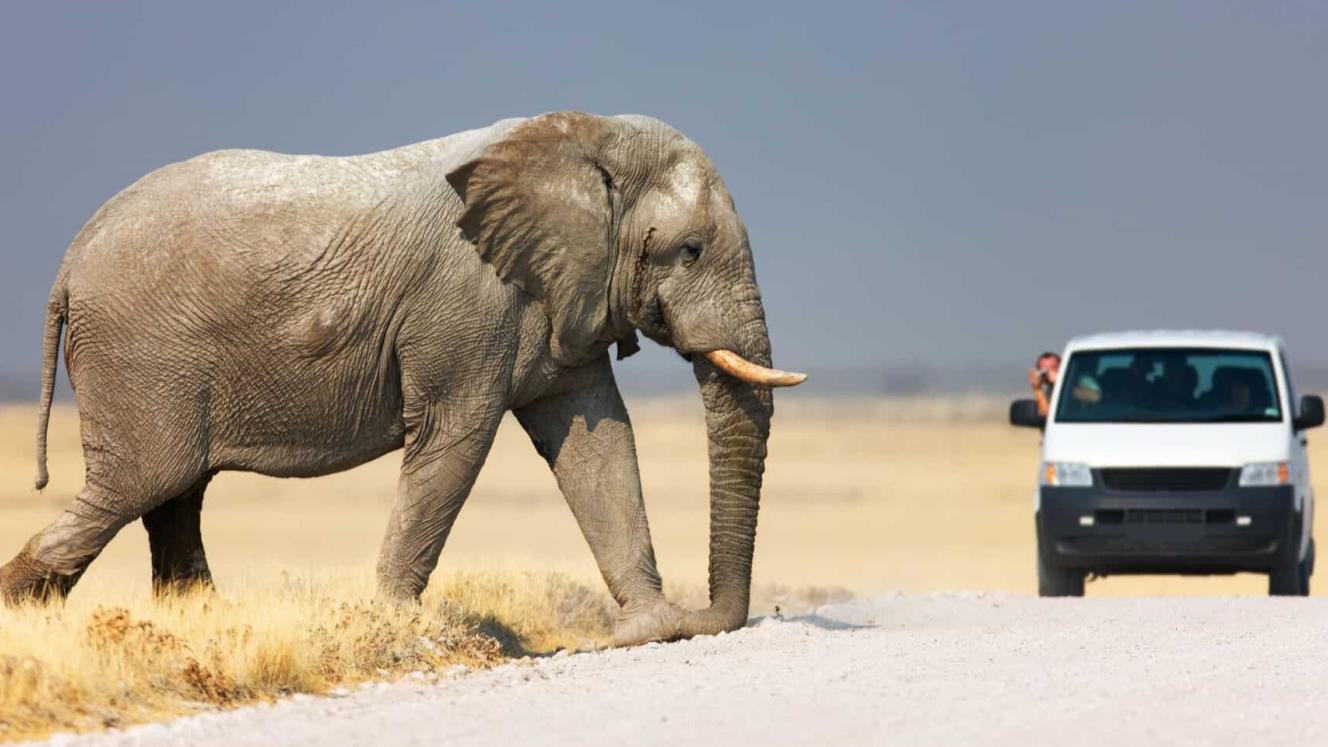
Sharp hike in Namibia park fees
Comprehensive Summarization:
Namibia has announced an 86% increase in entry fees for foreign visitors to its major national parks and reserves, effective April 1, 2023. The Ministry of Environment, Forestry and Tourism has confirmed that the fees for adult foreign nationals visiting top-tier attractions will rise from N$150 (US$9.40) to N$280 (US$17.50) per person per day. This increase applies to popular attractions such as Etosha National Park, Cape Cross Seal Reserve, Dorob National Park, Namib Naukluft Park (excluding Sandwich Harbour), Tsau/Khaeb National Park, Skeleton Coast Park, and the Waterberg Plateau. Fees for SADC adult visitors will also increase from N$100 (US$6.30) to N$180 (US$11.30) per day. Additionally, the daily fee for vehicles ranges from N$50 (US$3.15) to N$60, depending on the number of seats.
Key Points:
Actionable Takeaways:
Impact on Tourism Revenue: The increase in entry fees is expected to boost tourism revenue for Namibia’s national parks and reserves. This could lead to improved infrastructure and conservation efforts within these protected areas. However, it may also deter some budget-conscious travelers, potentially affecting overall visitor numbers.
Market Positioning: Namibia’s decision to increase entry fees positions the country as a premium tourism destination. This move could attract high-end travelers seeking exclusive experiences, thereby enhancing the country’s reputation for luxury and conservation-focused tourism. It underscores the importance of balancing accessibility with revenue generation in the tourism sector.
Influence on Travel Planning: Travelers planning to visit Namibia’s national parks and reserves should factor in the increased costs when budgeting their trips. This may encourage the use of travel agencies or tour operators that specialize in Namibia, as they may offer bundled packages that include accommodation, park fees, and guided tours, providing a more comprehensive travel experience.
Contextual Insights:
The increase in entry fees reflects a broader trend in the travel industry where destinations are adopting higher fees to fund conservation efforts and maintain the quality of their natural and cultural heritage sites. This aligns with the growing emphasis on sustainable tourism practices, where economic benefits are directly linked to environmental preservation.
In the context of current travel trends, such as the increasing focus on eco-tourism and conservation, Namibia’s strategy could serve as a model for other destinations. The move also highlights the role of government policies in shaping the travel experience and economic outcomes for local communities. As the travel industry continues to evolve, such strategic adjustments will likely become more common, driven by the need to balance economic growth with environmental stewardship.
Handling Different Article Types:
The article is a news brief providing factual information about a policy change in Namibia’s tourism sector. The structured output format ensures that the key points and actionable insights are clearly presented, making it easy for readers to digest and apply the information. The contextual insights integrate the article’s content with broader industry trends, offering a forward-looking perspective on how such policy changes can influence the travel sector.
Read the Complete Article.
Boutique Travel VC raises investment cap from $1.5M to $10M to lead rounds and support portfolio companies through growth Travel...
Read moreDetails



Comprehensive Summarization: The U.S. Travel Association has released new research highlighting the potential economic benefits of the 2026 FIFA World...
Read moreDetails
