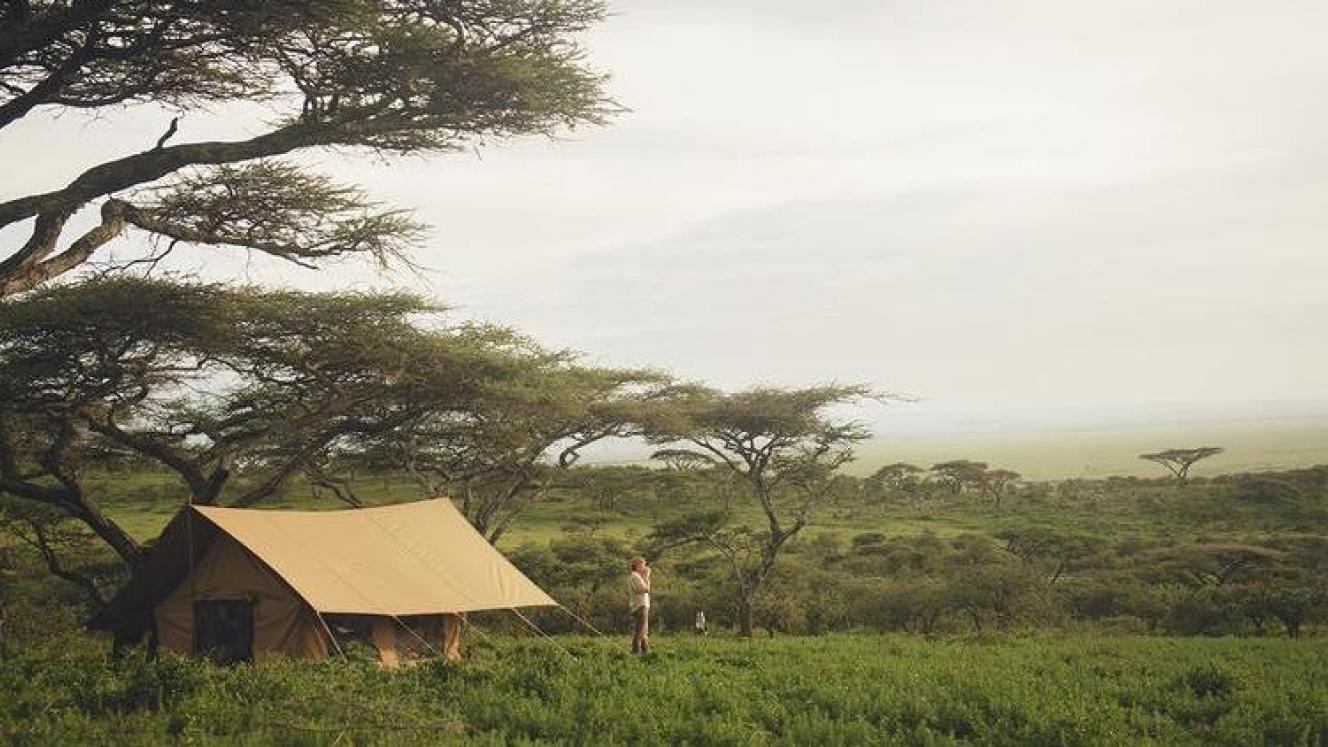
Nomad Tanzania has rebranded its Expeditionary Walking Camp to “Charlie,” a lightweight, exclusive-use camp designed for walking safaris in remote parts of Tanzania. This rebranding reflects the company’s commitment to offering “stripped back, intelligent safari experiences” that prioritize wilderness and flexibility. The change comes in response to increased demand for such experiences, aligning with current travel trends that favor immersive, less crowded, and more flexible safari options. Charlie operates with a focus on walking safaris, complemented by game drives, allowing guests to cover more ground while maintaining a small, intimate camp setup.
Key Points:
Nomad Tanzania has renamed its Expeditionary Walking Camp to “Charlie.”
The camp is designed as a lightweight, exclusive-use facility for walking safaris in remote areas of Tanzania.
The rebranding reflects a shift towards “stripped back, intelligent safari experiences” that prioritize wilderness and flexibility.
Charlie now includes game drives, allowing guests to cover more ground while maintaining a focus on walking safaris.
The expansion of services aligns with current travel trends favoring immersive and less crowded safari experiences.
Actionable Takeaways:
Shift Towards Flexible Safari Experiences: The renaming of Nomad Tanzania’s camp to “Charlie” signifies a broader industry trend towards offering more flexible and less crowded safari experiences. Travel companies should consider rebranding or expanding their offerings to cater to this demand, potentially by introducing new itineraries or flexible booking options.
Integration of Game Drives with Walking Safaris: The addition of game drives to the walking safari experience at Charlie demonstrates a strategic move to enhance guest engagement and coverage of the landscape. Travel startups and established companies should explore innovative ways to combine different safari activities, potentially leveraging technology for seamless transitions between activities and real-time guest experiences.
Focus on Lightweight, Exclusive Camps: The emphasis on lightweight, exclusive-use camps like Charlie highlights a growing preference among travelers for personalized, intimate safari experiences. Companies can capitalize on this trend by investing in smaller, more exclusive camps that offer a higher level of service and privacy, potentially differentiating themselves in a competitive market.
Contextual Insights:
The rebranding of Nomad Tanzania’s camp to “Charlie” aligns with current travel industry trends that favor immersive, less crowded, and more flexible safari experiences. This shift reflects a broader movement within the travel sector towards offering unique, personalized experiences that cater to the desires of modern travelers seeking authenticity and exclusivity. The integration of game drives with walking safaris also underscores the industry’s adaptability to evolving guest preferences, demonstrating the potential for innovative service combinations to enhance guest satisfaction and retention.
In the context of travel tech and startups, the success of Charlie illustrates the demand for flexible, technology-enabled safari experiences. Companies in the travel sector, particularly those in fintech and travel tech, should consider how they can leverage technology to offer more personalized and flexible safari options. This could include developing mobile apps for itinerary customization, real-time tracking of safari activities, or integrating eco-friendly technologies to enhance the sustainability of safari operations. By aligning with these trends, travel companies can not only meet current market demands but also position themselves as leaders in the evolving travel landscape.