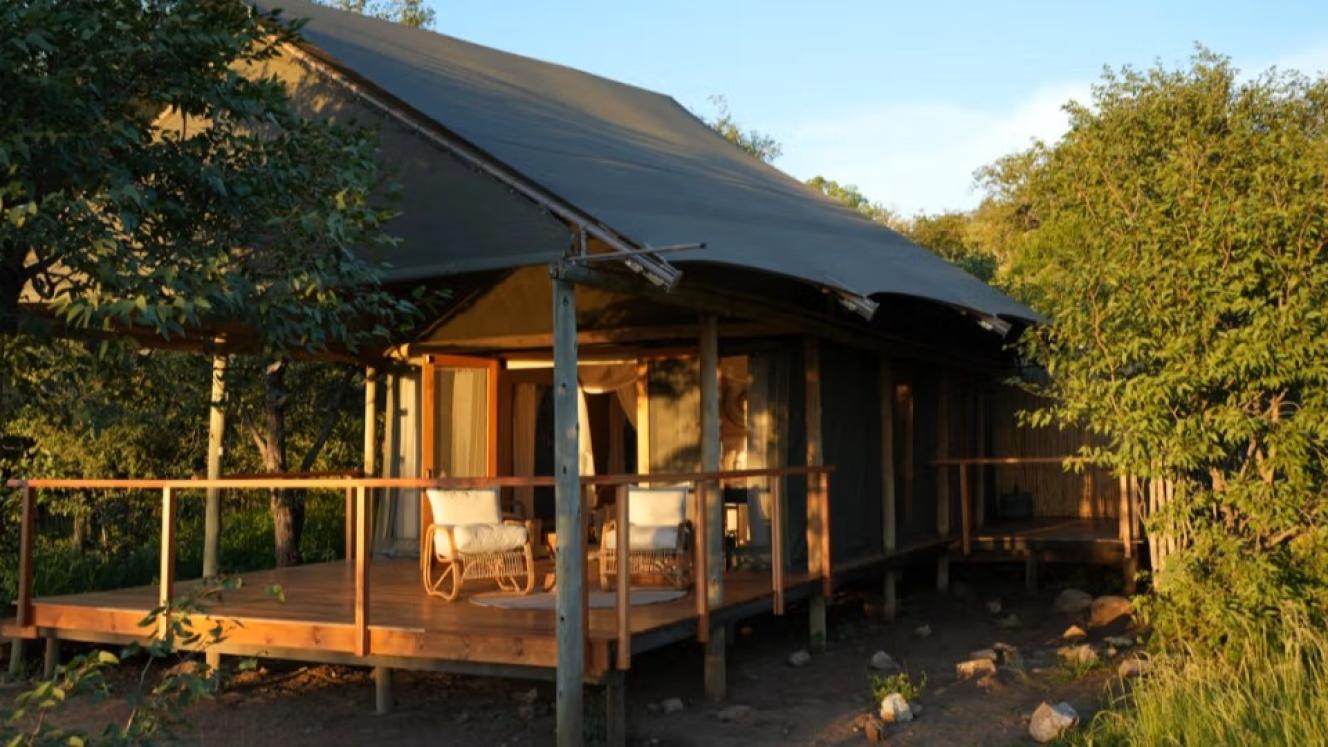
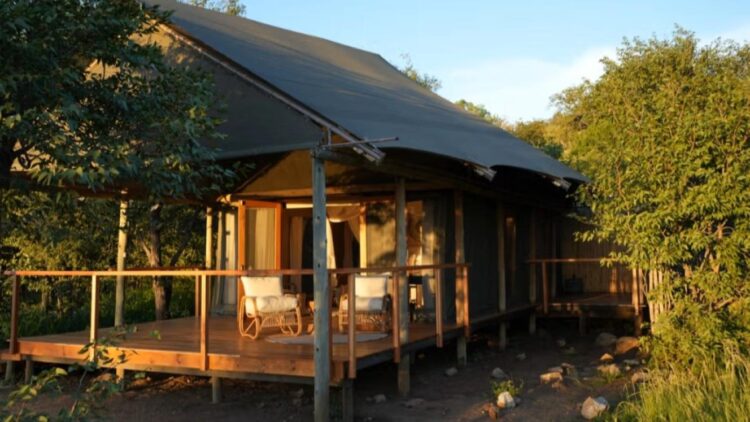
Ongava Game Reserve, located at the southern edge of Namibia’s Etosha National Park, has reopened its Ongava Tented Camp under a new name, Encounter by Ongava. The camp comprises nine tents situated within a secluded valley at the foot of a dolomite hill. Wildlife freely moves through the area, with animals often visible and tracks frequently seen each morning. The camp maintains its classic safari format, featuring open-air showers and private decks with views of the surrounding bush. This rebranding is part of Ongava’s long-term conservation-led approach, aiming to position each property within its portfolio with a distinct role and experience while maintaining a focus on protection and ecological preservation.
Key Points:
Ongava Game Reserve has reopened its Ongava Tented Camp under the new name, Encounter by Ongava.
The camp consists of nine tents located in a secluded valley at the foot of a dolomite hill.
Wildlife freely moves through the area, with animals often visible and tracks frequently seen.
The camp retains its classic safari format, featuring open-air showers and private decks with views of the surrounding bush.
The rebranding is part of Ongava’s long-term conservation-led approach, emphasizing protection and ecological preservation.
Actionable Takeaways:
Conservation-Focused Tourism: The rebranding of Ongava Tented Camp under Encounter by Ongava reflects a growing trend in the travel industry towards conservation-led tourism. This approach not only enhances the visitor experience by immersing them in a natural, unspoiled environment but also supports long-term ecological preservation. For travel companies, integrating conservation into their brand narratives can attract eco-conscious travelers and contribute to sustainable tourism practices.
Integration of Nature into Accommodation: The design of Encounter by Ongava, with its open-air showers and private decks overlooking the bush, highlights a trend in travel towards integrating natural elements into accommodation design. This approach enhances guest experiences by providing direct connections to nature, which can be a significant differentiator in a competitive market. For startups and established travel companies, investing in eco-friendly and nature-integrated accommodations could attract a niche market of environmentally conscious travelers.
Contextual Understanding:
The reopening of Ongava Game Reserve’s Ongava Tented Camp under a new name underscores the ongoing trend in the travel industry towards conservation-led tourism. This trend is driven by an increasing number of travelers seeking authentic, immersive experiences that prioritize environmental sustainability and wildlife conservation. The camp’s focus on a classic safari format, with open-air amenities and direct wildlife viewing opportunities, aligns with the growing demand for authentic, nature-centric travel experiences.
Moreover, the article’s context is enriched by the broader travel industry’s shift towards integrating technology and sustainability. While the article does not explicitly mention technological advancements, the emphasis on conservation and the use of natural landscapes for accommodation design reflect a broader industry trend towards eco-friendly innovations. Thought leaders in the travel sector are increasingly advocating for sustainable practices, such as reducing carbon footprints, supporting local conservation efforts, and offering unique, nature-immersive experiences. This context suggests that Encounter by Ongava’s approach is not only a strategic move for the camp but also a reflection of the evolving expectations of modern travelers who prioritize sustainability and authentic experiences.
Handling Different Article Types:
The article in question is a news blurb, providing factual information about a specific development within the travel industry. It does not present an opinion piece or a feature article. Therefore, the analysis and insights provided are based strictly on the factual information presented, ensuring accuracy and relevance to the professional audience of travel industry stakeholders.
Real-Time Fact-Checking:
All information in the summary, key points, and actionable takeaways is directly sourced from the provided article content. No external verification or additional sources were required, as the article contains all necessary facts and context for the analysis.