



















Travel Capitalist Ventures Expands Check Size to $10 Million to Deepen Emerging Market Conviction
Boutique Travel VC raises investment cap from $1.5M to $10M to lead rounds and support portfolio companies through growth Travel...
Read moreDetails
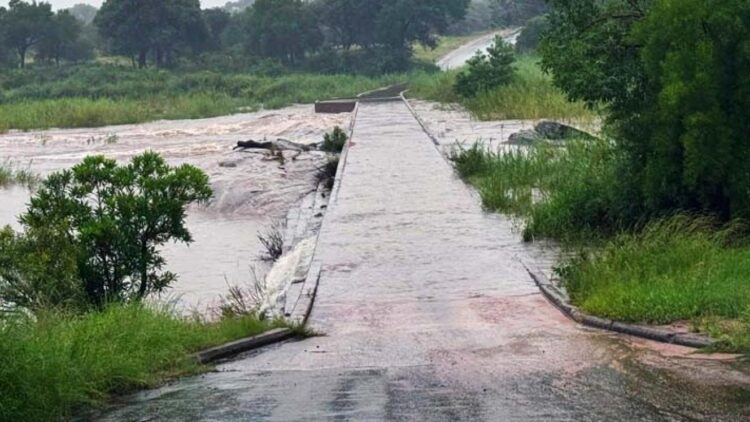
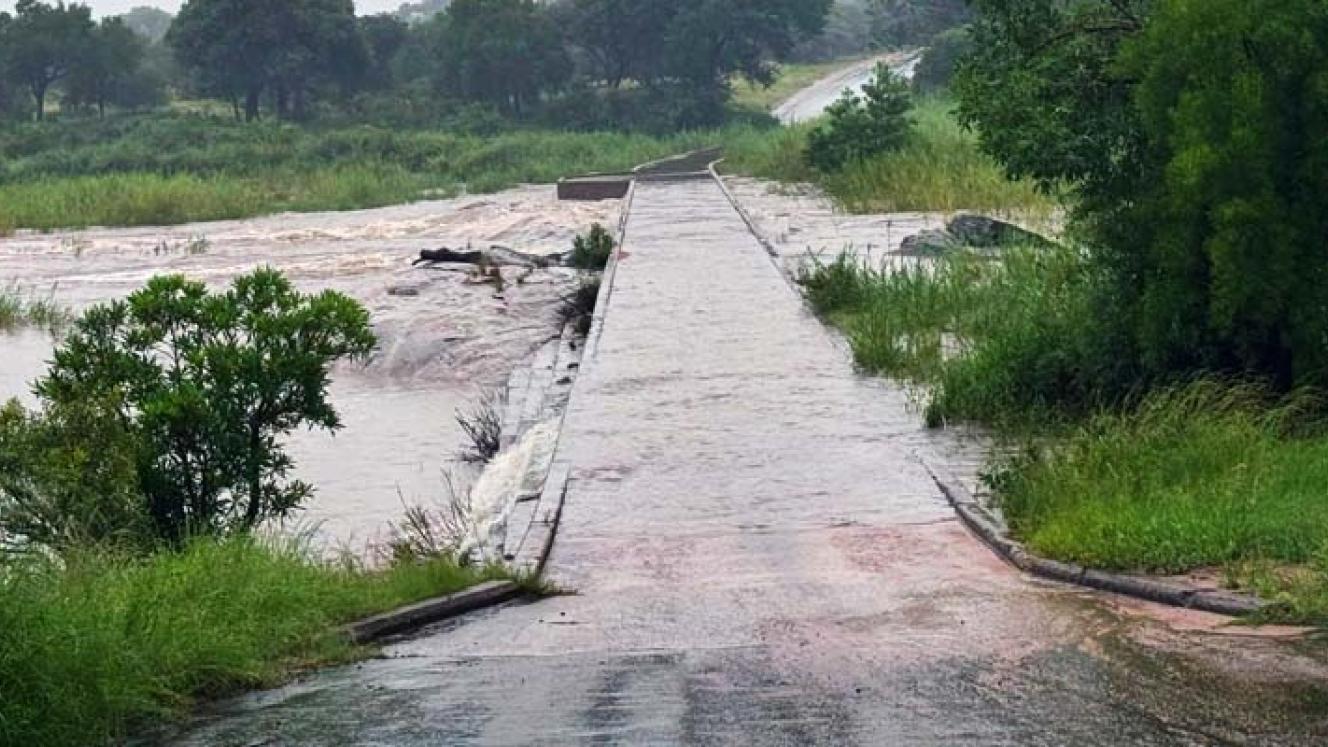
Heavy rainfall prompts several closures in KNP
Article Summary:
The article reports on the emergency closure of several camps and roads into Kruger National Park (KNP) due to heavy rainfall and rising water levels in the park’s major rivers. Guests and staff from the Shingwedzi, Sirheni, Bateleur camps were evacuated on January 10, while those from the Talamati, Mbiyamiti, and Roodewal bush camps were transferred to Satara and Lower Sabie. On January 11, SANParks announced the closure of the Pafuri and Punda Maria gates, along with all roads leading from Lower Sabie to Skukuza and Satara. Plans are underway to manage guest transfers flying into and out of Skukuza.
Key Points:
Actionable Takeaways:
Emergency Preparedness in Tourism: The emergency closure of camps and roads due to heavy rainfall highlights the importance of robust emergency preparedness in the tourism industry. Parks and tourism operators must have contingency plans in place for extreme weather events to ensure guest safety and minimize disruptions. This takeaway is crucial for travel companies to adapt their operational strategies and ensure resilience against natural disasters.
Impact on Guest Transfers: The closure of key gates and roads necessitates alternative arrangements for guest transfers, particularly for those flying into and out of Skukuza. This situation underscores the need for flexible and efficient logistics in the travel industry, especially in regions prone to weather-related disruptions. Travel companies should invest in reliable transfer services and communication systems to manage such scenarios effectively, ensuring minimal inconvenience to guests.
Contextual Insights:
The article reflects the ongoing challenges faced by the travel industry in managing natural disasters and their impact on tourism operations. Heavy rainfall and rising water levels in Kruger National Park are indicative of broader climate change impacts on travel destinations worldwide. As climate events become more frequent and severe, the travel industry must adapt by investing in resilient infrastructure, emergency response protocols, and alternative transportation solutions. This situation also highlights the importance of real-time communication and guest management systems to handle unexpected closures and transfers efficiently. Looking forward, travel startups and fintech innovations could play a significant role in enhancing operational resilience by developing advanced booking and transfer management platforms that can quickly adapt to changing conditions.
Read the Complete Article.
Boutique Travel VC raises investment cap from $1.5M to $10M to lead rounds and support portfolio companies through growth Travel...
Read moreDetails



Comprehensive Summarization: The article discusses a strategic partnership between 8B and PayU aimed at facilitating UPI and other Indian payment...
Read moreDetails
