
















Travel Capitalist Ventures Expands Check Size to $10 Million to Deepen Emerging Market Conviction
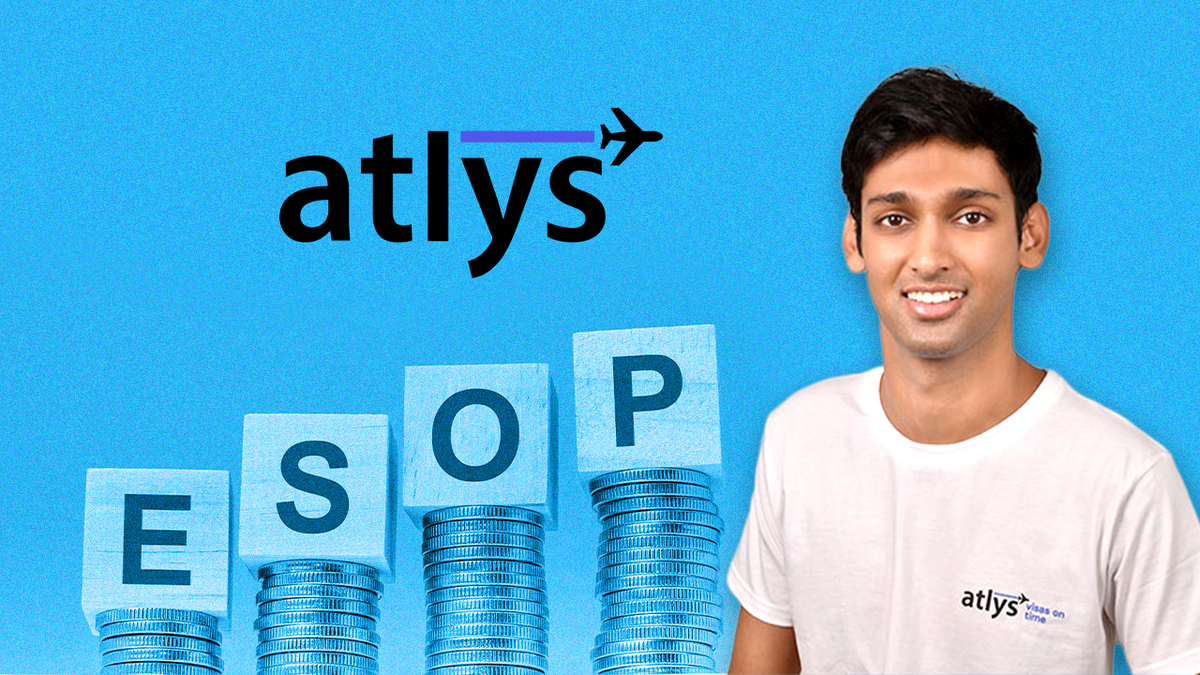
Boutique Travel VC raises investment cap from $1.5M to $10M to lead rounds and support portfolio companies through growth Travel...
Read moreDetails
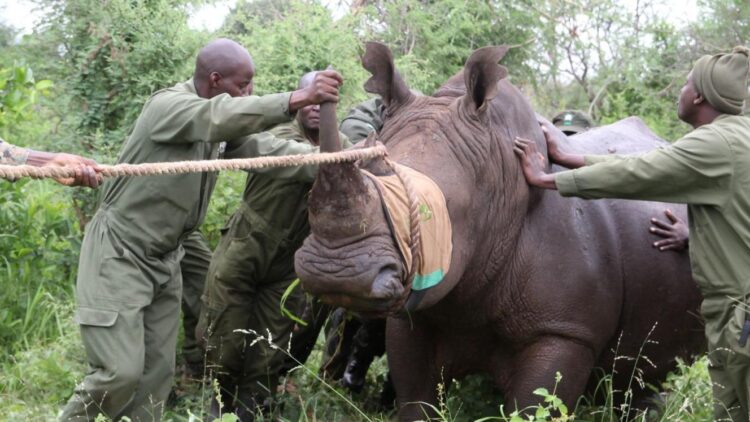
Source: Irene Ouma
Article Summary:
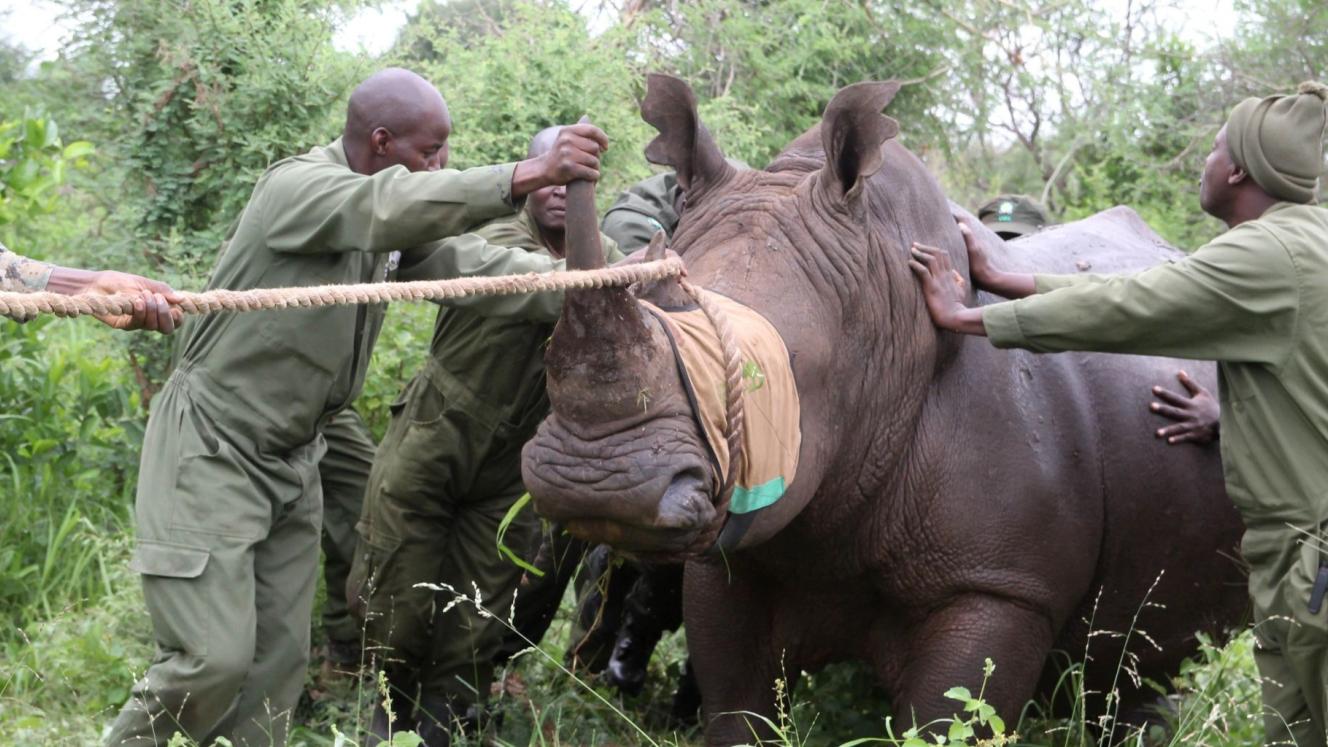
The Kenya Wildlife Service (KWS) recently completed a translocation operation moving three southern white rhinos from Lake Nakuru National Park and Meru National Park to the Mt Kenya Wildlife Conservancy (MKWC). This marks MKWC as Kenya’s 20th rhino sanctuary, aligning with KWS’s 2024-2028 Strategic Plan that prioritizes securing additional conservation spaces and accelerating national rhino population recovery. The Mt Kenya ecosystem historically held Kenya’s largest rhino population in the 1970s, but numbers declined sharply through the early 1980s, with the last rhinos lost by 2011. This initiative underscores the ongoing efforts to restore and protect Kenya’s rhino population, a critical aspect of wildlife conservation in the country.
Key Points:
Actionable Takeaways:
Contextual Insights:
The article reflects current industry trends in wildlife conservation and eco-tourism, emphasizing the role of strategic planning and historical context in conservation efforts. The focus on securing additional conservation spaces aligns with broader global trends in biodiversity preservation, where restoring populations to historical habitats is seen as a key strategy for ecological balance. From a travel industry perspective, this underscores the growing importance of eco-tourism as a sustainable and impactful sector. Thought leaders suggest that destinations with successful conservation stories, like Kenya’s rhino sanctuary initiative, can leverage these narratives to attract environmentally conscious travelers, thereby fostering a symbiotic relationship between tourism and conservation. This trend is likely to continue, with more destinations adopting similar strategies to promote sustainable travel and support biodiversity recovery.
Read the Complete Article.
Boutique Travel VC raises investment cap from $1.5M to $10M to lead rounds and support portfolio companies through growth Travel...
Read moreDetails



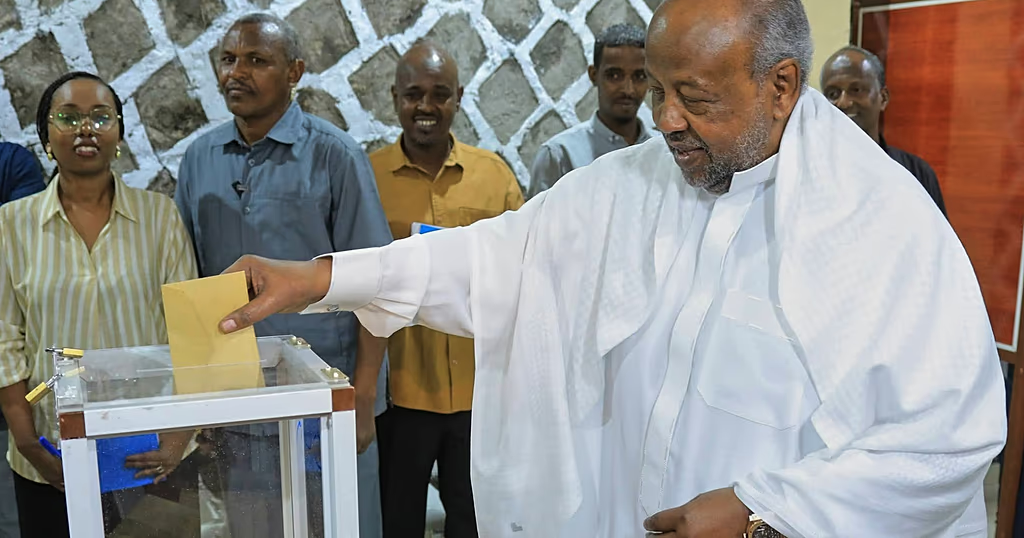
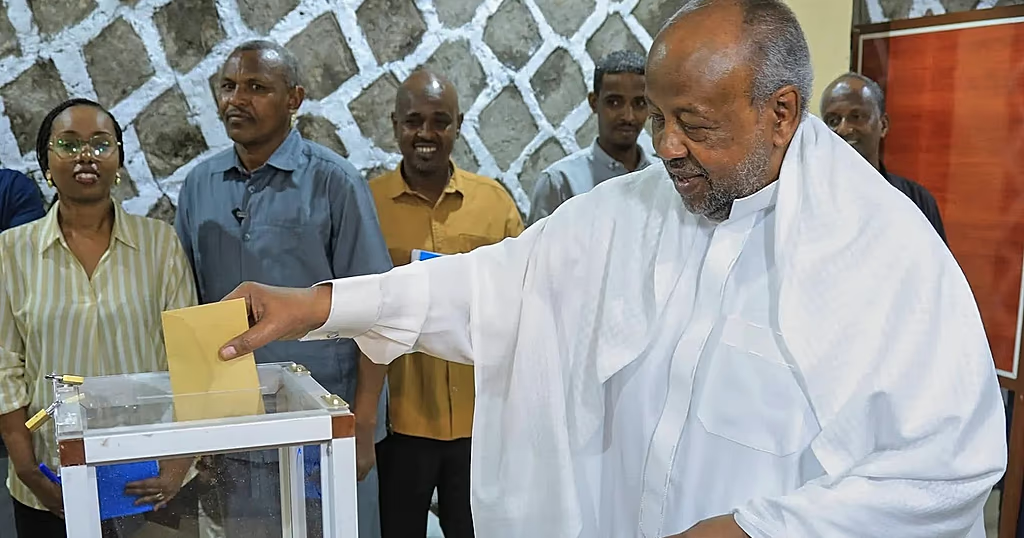
Comprehensive Summarization: The article reports on Djibouti's presidential election, where incumbent President Ismail Omar Guelleh is expected to secure a...
Read moreDetails
