



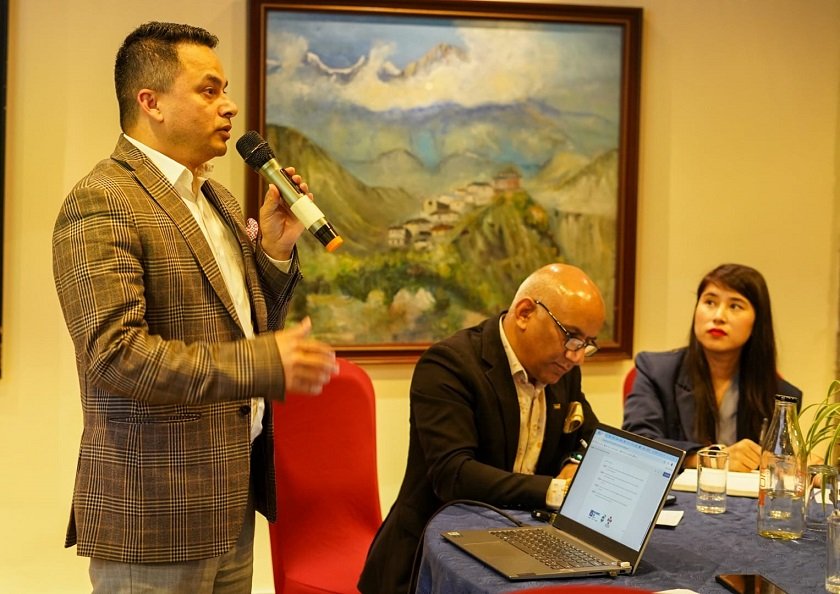












Travel Capitalist Ventures Expands Check Size to $10 Million to Deepen Emerging Market Conviction
Boutique Travel VC raises investment cap from $1.5M to $10M to lead rounds and support portfolio companies through growth Travel...
Read moreDetails
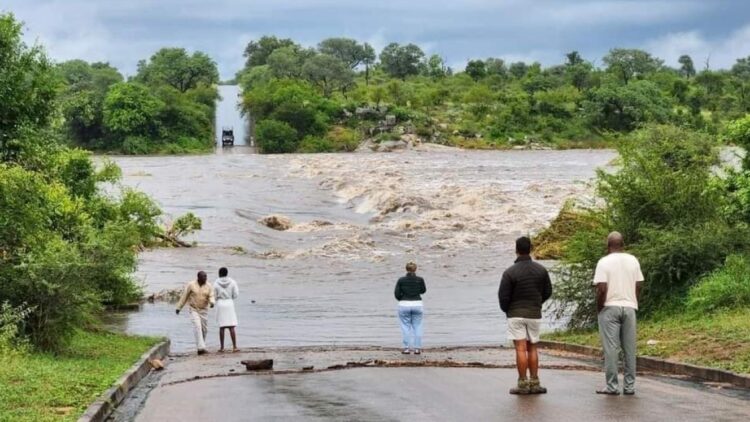
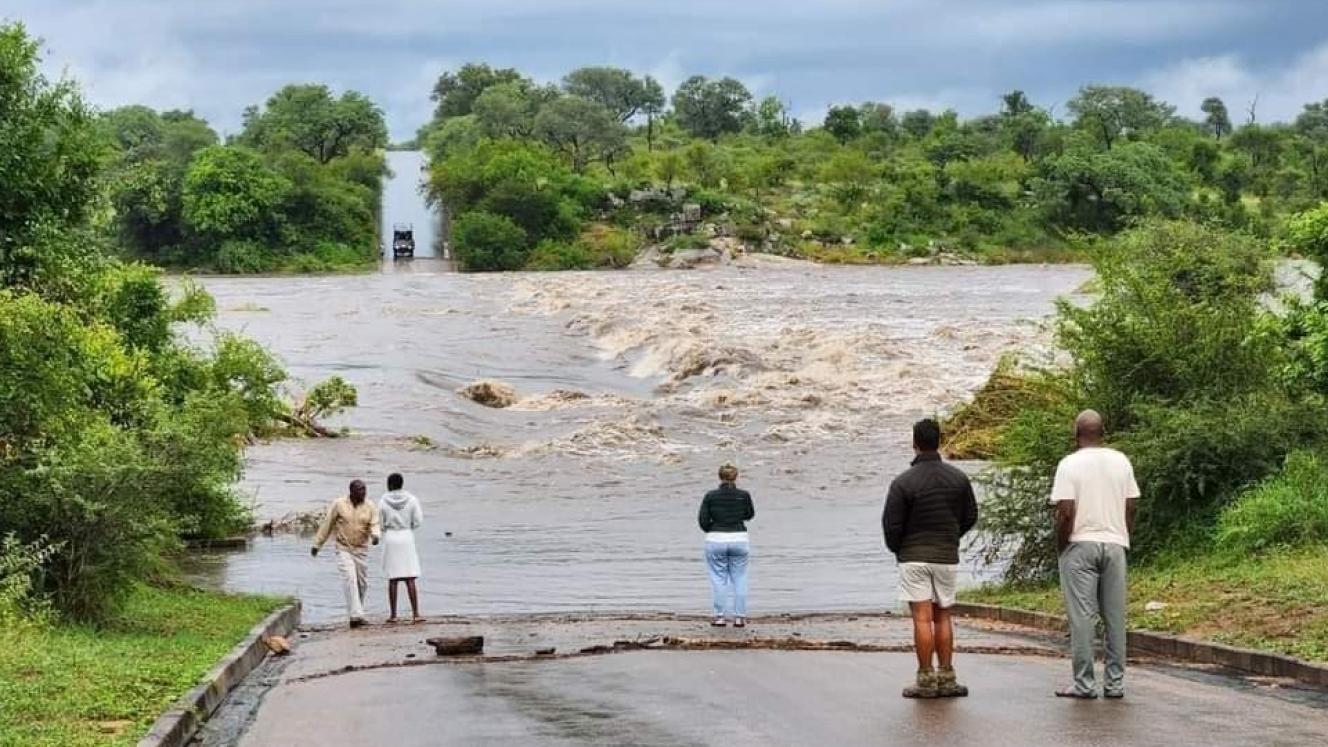
After the floods: Safari sector takes stock
Comprehensive Summarization:
The article discusses the recovery of tour operators, lodges, and wheel operators in the Greater Kruger National Park (KNP) following severe flooding in January. A recent “Tourism Update” survey revealed that 52% of respondents described the impact on revenue as “severe,” primarily due to cancelled or postponed guest bookings (88%), road access issues (84%), and disrupted guest activities (79%). The flooding caused significant infrastructure damage in the KNP, leading to temporary closures of lodges in private reserves such as Timbavati, Klaserie, and Balule, ranging from a few weeks to over six months. The article also touches on the broader context of travel trends and insights from thought leaders, emphasizing the need for resilience and adaptation in the face of such natural disasters.
Key Points:
Actionable Takeaways:
Invest in Resilient Infrastructure: Tour operators and lodges should invest in resilient infrastructure to minimize damage from natural disasters. This includes upgrading roads, enhancing flood defenses, and ensuring accessibility for guests, which is crucial for maintaining revenue stability.
Flexible Booking Policies: Implement flexible booking policies that allow guests to reschedule or cancel bookings without penalties. This can help mitigate the impact of unforeseen events, such as flooding, and maintain customer satisfaction.
Diversify Offerings: Explore diversifying offerings to include virtual experiences or alternative destinations that are less susceptible to natural disasters. This can help maintain revenue streams during periods of disruption in traditional travel markets.
Contextual Insights:
The article reflects the current challenges faced by the travel industry in the wake of natural disasters, emphasizing the need for resilience and adaptability. The recent flooding in the Greater Kruger National Park underscores the vulnerability of travel infrastructure to extreme weather events. This situation is particularly relevant in light of recent trends highlighting the increasing frequency and severity of natural disasters globally. The insights provided align with the growing emphasis on sustainability and responsible tourism, where operators are encouraged to adopt practices that minimize environmental impact and enhance resilience. Furthermore, the article’s focus on infrastructure recovery and flexible booking policies resonates with broader industry trends towards digital transformation and customer-centric services, which are essential for navigating future uncertainties in the travel sector.
Read the Complete Article.
Boutique Travel VC raises investment cap from $1.5M to $10M to lead rounds and support portfolio companies through growth Travel...
Read moreDetails



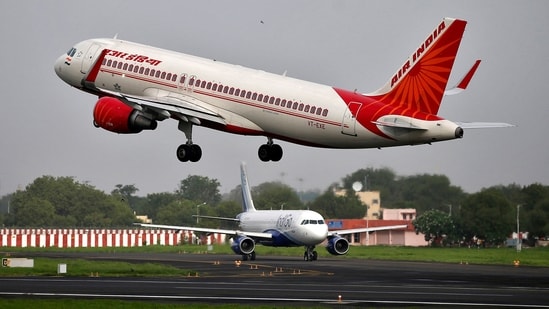
Comprehensive Summarization: The article reports on a significant disruption in air travel across Asia, affecting thousands of travelers due to...
Read moreDetails
