















Travel Capitalist Ventures Expands Check Size to $10 Million to Deepen Emerging Market Conviction
Boutique Travel VC raises investment cap from $1.5M to $10M to lead rounds and support portfolio companies through growth Travel...
Read moreDetails
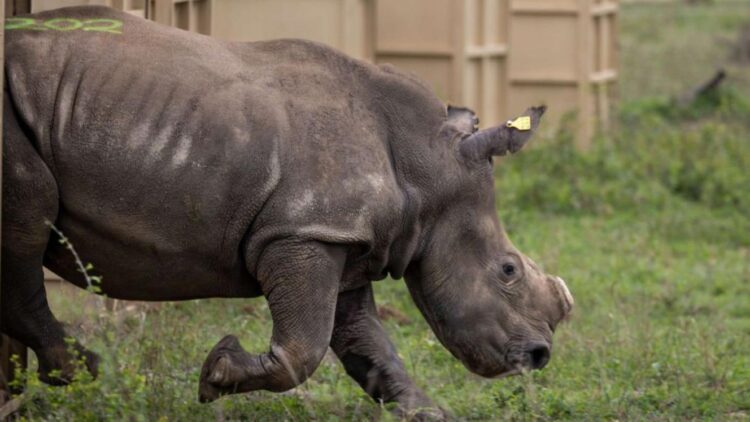
Source: African Parks
Article Summary:
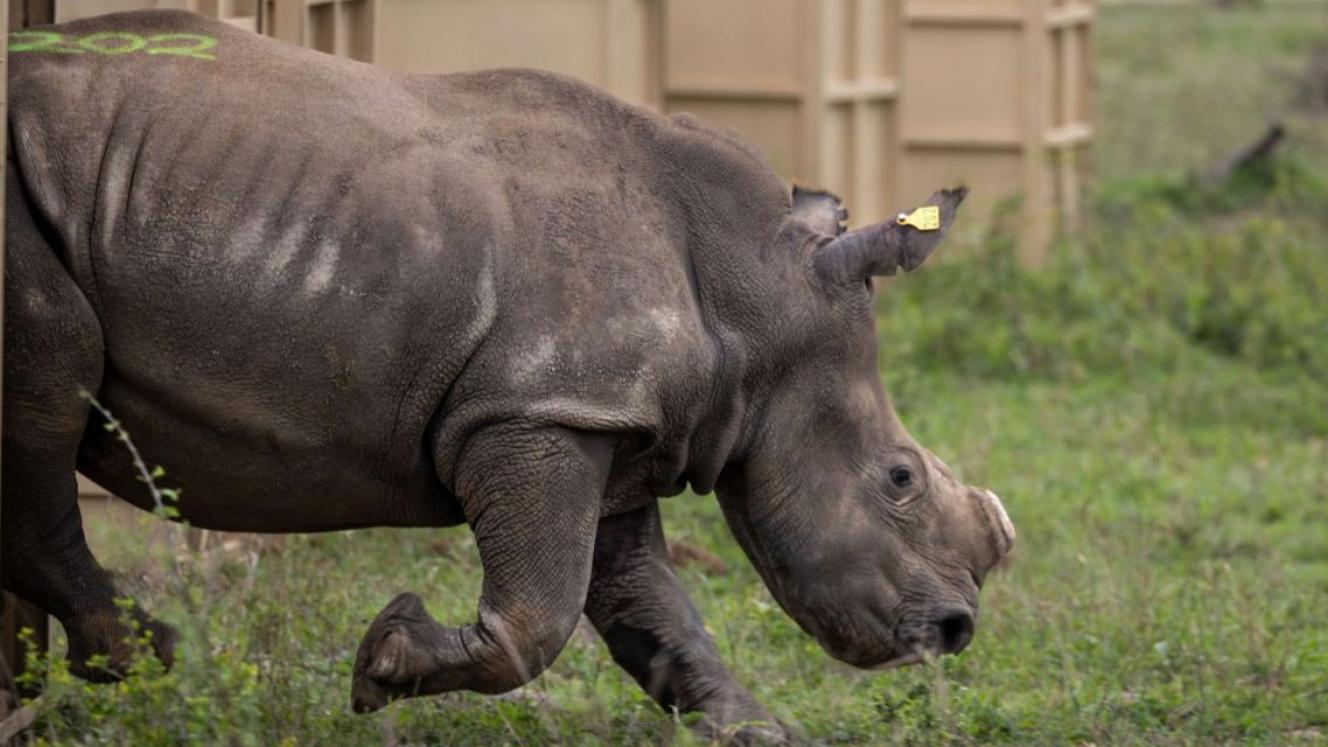
African Parks, in collaboration with the Greater Kruger Environmental Protection Foundation (GKEPF), has successfully completed a second major translocation of 160 dehorned southern white rhinos into GKEPF partner reserves. This operation, supported by the Rhino Recovery Fund, marks a significant step towards African Parks’ Rhino Rewild Initiative, which aims to rewild 2,000 southern white rhinos across Africa over the next decade. The translocation follows the 2024 release of 120 rhinos into the Greater Kruger, showcasing a continued commitment to rhino conservation and habitat expansion.
Key Points:
Actionable Takeaways:
Contextual Insights:
The article reflects the ongoing global emphasis on wildlife conservation, particularly in the context of endangered species like the southern white rhino. The translocation of rhinos into new habitats aligns with current industry trends towards habitat restoration and the use of technology to monitor and manage wildlife populations. The involvement of major foundations like the Rhino Recovery Fund and the Rob Walton Foundation indicates a growing financial commitment to conservation efforts, suggesting that financial support remains a critical factor in the success of such initiatives. Furthermore, the article highlights the importance of genetic diversity in conservation strategies, a trend that is increasingly being integrated into wildlife management practices. As the travel industry continues to evolve, with a growing focus on sustainable and responsible tourism, these conservation efforts may also influence travel trends, encouraging eco-conscious travel choices and supporting destinations that prioritize conservation.
Read the Complete Article.
Boutique Travel VC raises investment cap from $1.5M to $10M to lead rounds and support portfolio companies through growth Travel...
Read moreDetails




