

















Travel Capitalist Ventures Expands Check Size to $10 Million to Deepen Emerging Market Conviction
Boutique Travel VC raises investment cap from $1.5M to $10M to lead rounds and support portfolio companies through growth Travel...
Read moreDetails
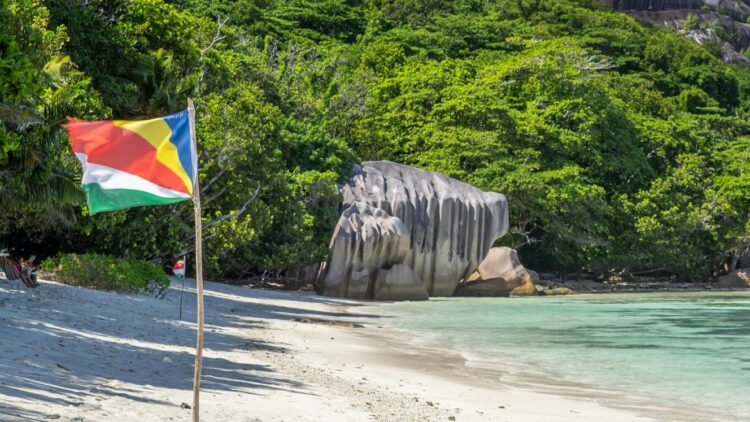
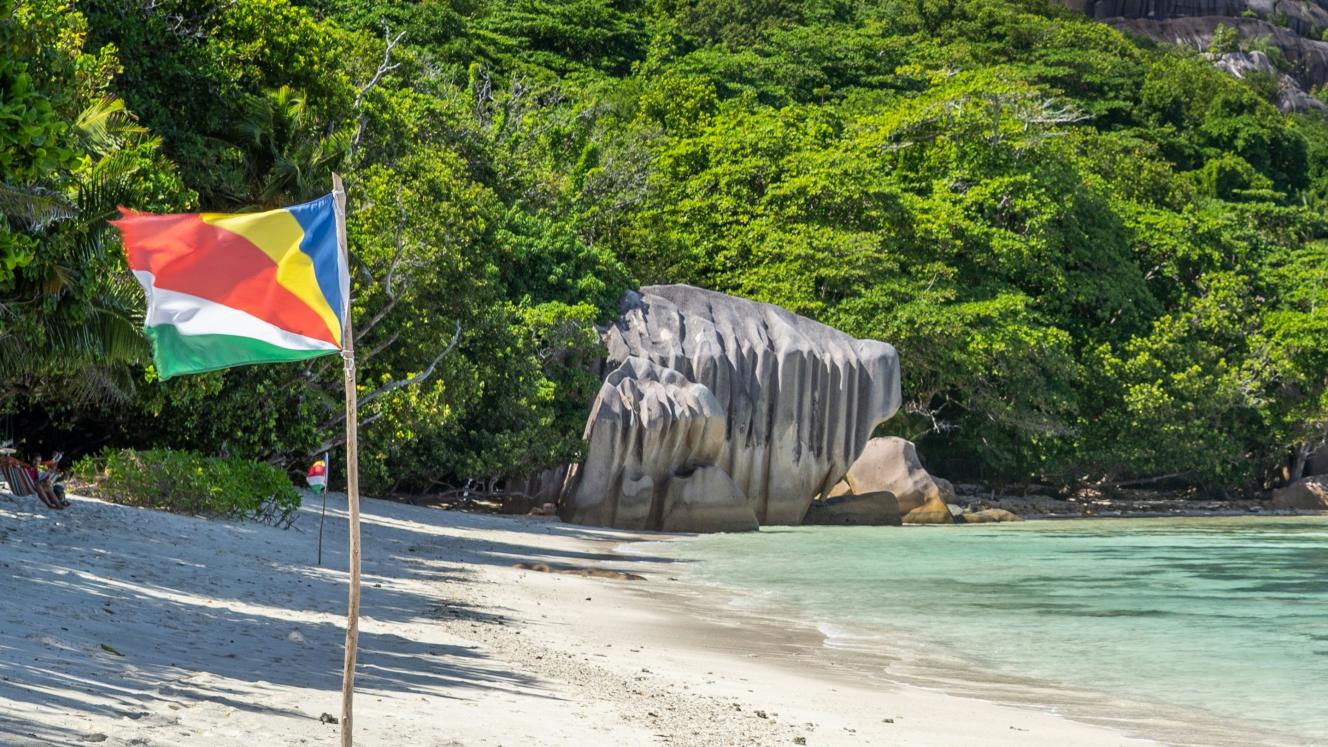
Seychelles rolls out amended tourism levy
Article Summary:
The Seychelles government has amended the Environment Protection (Tourism Environmental Sustainability Levy) Regulations. Effective from January 1, small accommodation establishments with fewer than 25 rooms are exempt from the levy to alleviate cost pressures and enhance operational flexibility for smaller operators. The levy, charged per person per night, varies based on the size of the accommodation: SCR75 (US$5.28) for medium-sized establishments (20-50 rooms), SCR100 (US$7.04) for larger establishments (more than 50 rooms), and SCR100 (US$7.04) for yachts and island resorts. The levy does not apply to Seychellois citizens, residents, airline staff, or other specified groups.
Key Points:
Actionable Takeaways:
Contextual Insights:
The amendment to the Tourism Environmental Sustainability Levy in Seychelles reflects a growing trend among countries to implement levies or taxes aimed at promoting sustainable tourism practices. This move aligns with the broader travel industry’s shift towards eco-friendly initiatives, as highlighted by thought leaders in the sector. The exemption for smaller accommodations acknowledges the financial challenges faced by smaller operators and demonstrates a balanced approach to sustainability, ensuring that the levy does not disproportionately impact smaller businesses. This context underscores the importance of adaptive regulatory measures in the travel industry, where economic realities and environmental goals must be harmonized. Furthermore, this development could influence other Caribbean nations to consider similar measures, potentially leading to a wave of sustainability-focused policies across the region.
Read the Complete Article.
Boutique Travel VC raises investment cap from $1.5M to $10M to lead rounds and support portfolio companies through growth Travel...
Read moreDetails



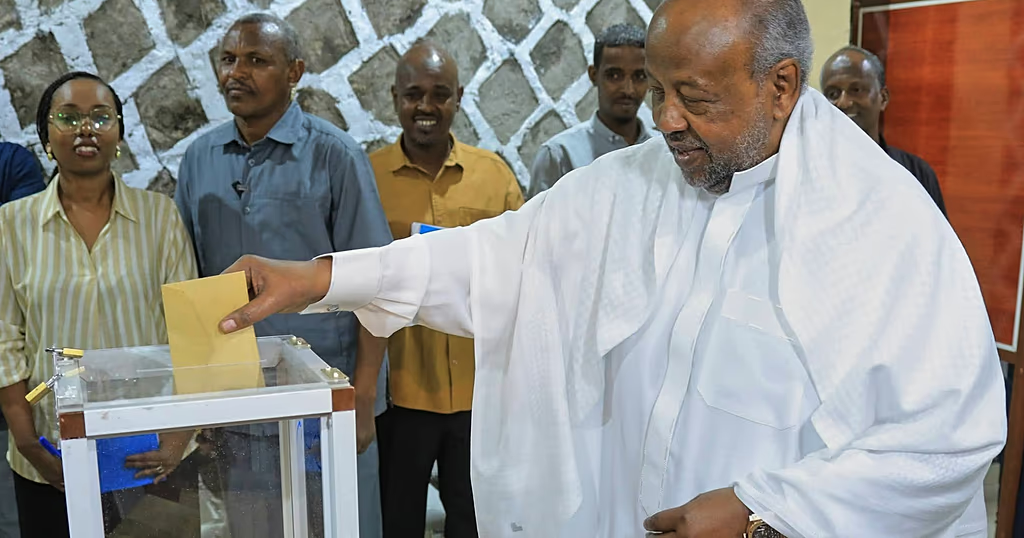
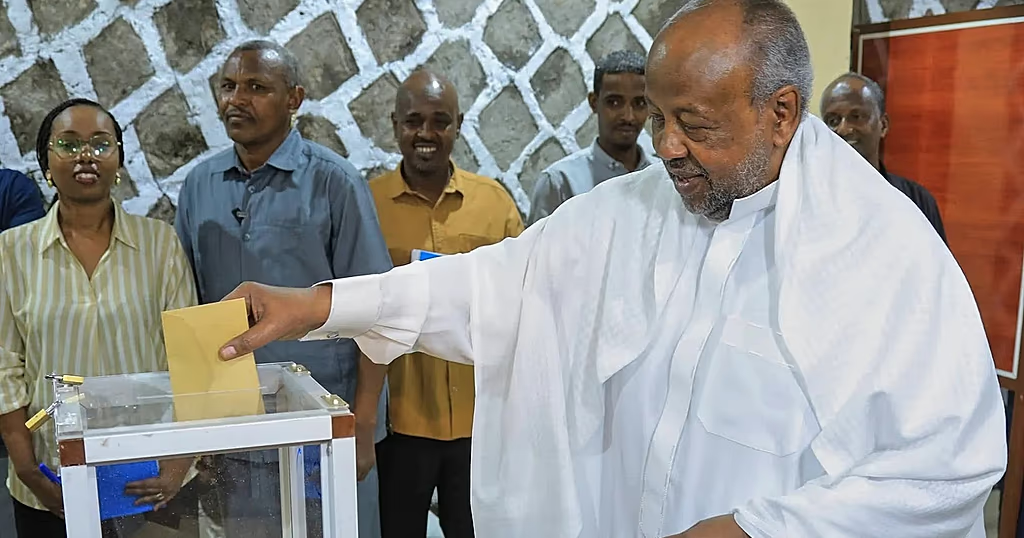
Comprehensive Summarization: The article reports on Djibouti's presidential election, where incumbent President Ismail Omar Guelleh is expected to secure a...
Read moreDetails
