The article reports that flights are being disrupted and cancelled across the Middle East due to US and Israeli military action in Iran. Airspace over the UAE, Qatar, Saudi Arabia, Bahrain, Kuwait, and Jordan has been closed, affecting Emirates and Qatar Airways flights departing from South Africa. The airline has stated that affected passengers will be rebooked as soon as possible. The restrictions are expected to remain in place until Monday, 2 March 2026, though the situation is fluid and subject to change. This development highlights the significant impact of geopolitical events on the travel industry, particularly in the context of ongoing military conflicts.
Key Points:
Flights are being disrupted and cancelled across the Middle East due to US and Israeli military action in Iran.
Airspace over UAE, Qatar, Saudi Arabia, Bahrain, Kuwait, and Jordan is closed.
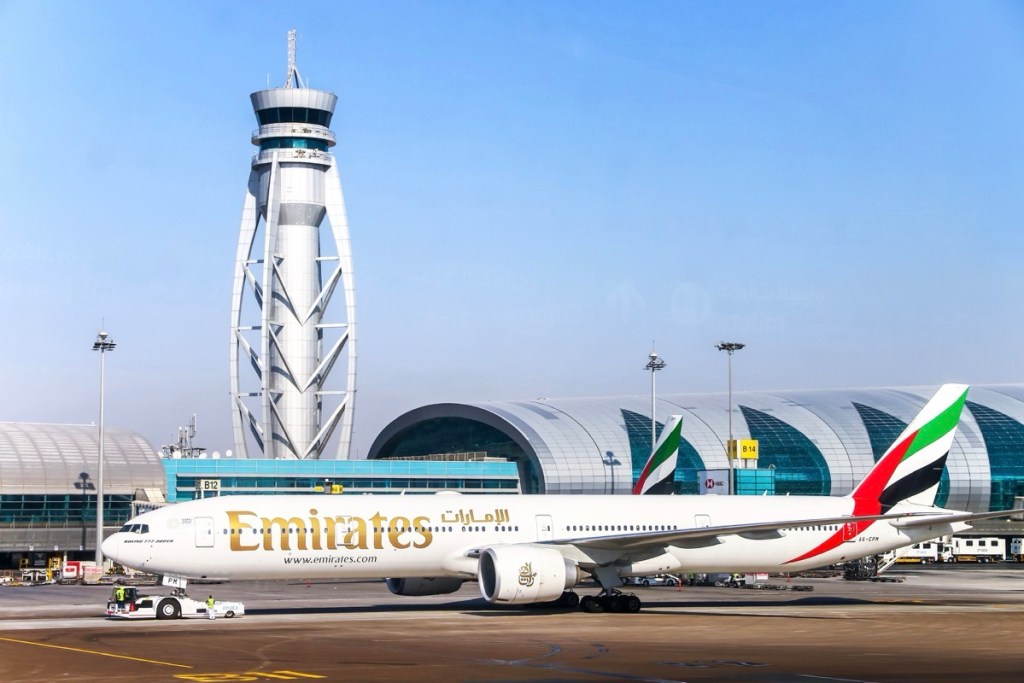
Emirates and Qatar Airways flights are not departing from South Africa until further notice.
Rebooking of passengers is being arranged as soon as possible.
The restrictions are expected to remain in place until Monday, 2 March 2026, though the situation is fluid.
Actionable Takeaways:
Rebooking Strategy: Airlines should implement a robust rebooking strategy for affected passengers, ensuring minimal disruption to travel plans. This involves coordinating with travel agencies and providing clear communication to passengers about alternative flight options and any associated costs.
Monitoring Geopolitical Developments: Travel companies should establish a real-time monitoring system for geopolitical events that could impact flight routes and airspace. This proactive approach will enable them to quickly adapt to changes and minimize the impact on their operations.
Collaboration with Authorities: Airlines should maintain open lines of communication with relevant authorities and aviation bodies to receive timely updates on airspace closures and restrictions. This collaboration will help in making informed decisions regarding flight operations and passenger rebooking.
Contextual Insights:
The article underscores the vulnerability of the travel industry to geopolitical tensions and military conflicts. Recent events highlight the importance of adaptability and resilience in travel operations. As geopolitical situations evolve, travel companies must be prepared to swiftly adjust their strategies to mitigate disruptions. This includes leveraging technology for real-time monitoring and communication, as well as fostering strong relationships with authorities and partners in the industry. The current situation also emphasizes the need for travel startups and fintech innovators to develop solutions that enhance flexibility and customer support in the face of such disruptions. By staying informed and agile, the travel industry can navigate through turbulent times and maintain operational continuity.
Comprehensive Summarization: The article discusses Thailand's initiative to introduce regulations requiring international tourists to obtain accident insurance before entering the...