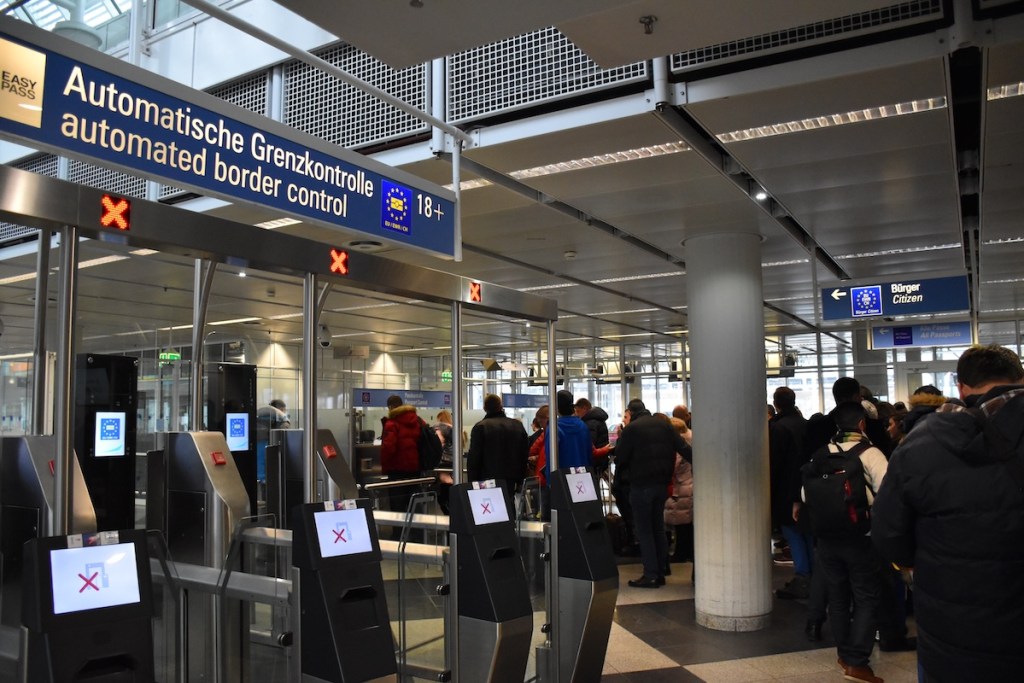
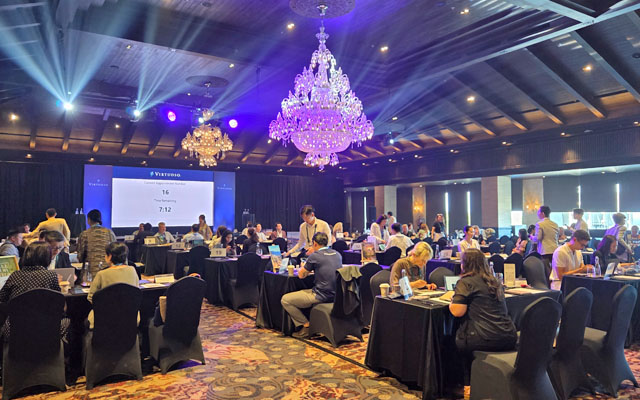
The article discusses the underperformance of South Africa’s key source markets, India and China, in the context of the rollout of the Trusted Tour Operator Scheme (TTOS) and the Electronic Travel Authorisation (ETA) for several Asian markets. Despite the successful launch of TTOS last year and the initial phases of the ETA, arrivals from Asia remain down by 37.6% compared to January 2019 and 6.8% year-on-year. Minister of Tourism, Patricia de Lille, has been engaging with her Chinese counterpart for the past two years to address barriers to travel. De Lille highlighted ongoing discussions with Chinese officials to resolve these issues during a media briefing at Meetings Africa 2026.
Key Points:
South Africa’s Asia source markets, particularly India and China, are underperforming with a 37.6% decline in January 2026 arrivals compared to January 2019.
The Trusted Tour Operator Scheme (TTOS) was successfully rolled out last year, and the Electronic Travel Authorisation (ETA) for several Asian markets is in its initial phases.
Minister of Tourism, Patricia de Lille, has been actively engaging with her Chinese counterpart to address barriers to travel.
The discussions aim to resolve issues that are hindering travel between South Africa and China.
Actionable Takeaways:
Enhanced Collaboration with Asian Markets: To boost tourism arrivals from India and China, South Africa should intensify diplomatic and regulatory cooperation. This includes streamlining visa processes and addressing any regulatory barriers identified during the engagement with Chinese officials. This action is crucial as it directly targets the root cause of the underperformance in these key source markets.
Leverage TTOS Success: The successful rollout of the Trusted Tour Operator Scheme (TTOS) demonstrates the effectiveness of targeted tourism initiatives. South Africa should replicate this success by expanding the TTOS framework to other Asian markets, ensuring that the scheme is well-promoted and easily accessible to tour operators. This strategy could potentially increase confidence among Asian travelers and stimulate growth in arrivals.
Monitor and Adapt ETA Implementation: The initial phases of the Electronic Travel Authorisation (ETA) for Asian markets are underway. Continuous monitoring of the ETA’s impact on travel flows is essential. Any identified issues should be promptly addressed to ensure a smooth travel experience for Asian tourists. This proactive approach will help maintain the momentum of the ETA initiative and contribute to the recovery of tourism from Asia.
Contextual Insights:
The article reflects the ongoing challenges faced by the travel industry in recovering from the impacts of the COVID-19 pandemic. The underperformance of key source markets like India and China underscores the need for targeted interventions to re-engage these markets. The successful rollout of the TTOS and the ongoing discussions with Chinese officials highlight the importance of strategic partnerships and regulatory cooperation in overcoming barriers to travel. Furthermore, the implementation of the ETA for Asian markets signifies a broader trend towards digitalizing travel processes, which could set a precedent for other regions. As the travel industry continues to evolve, such innovations and collaborative efforts will be pivotal in driving recovery and growth.