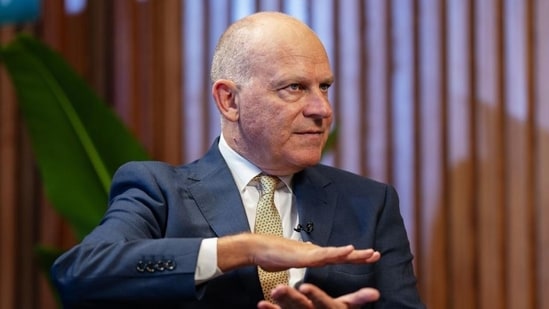
The article highlights a critical warning from tourism leaders regarding the potential stalling of Africa’s tourism growth. Despite the frequent use of the term “collaboration” by governments, experts argue that this concept has not translated into tangible results. Tshifhiwa Tshivhengwa, CEO of the Tourism Business Council of South Africa, emphasizes that collaboration often translates to “agree with me” rather than “let’s work together.” This failure is attributed to the inadequacies in public-sector plans. The article underscores the need for governments to move beyond rhetoric and start funding and delivering core infrastructure to sustain tourism growth in Africa.
Key Points:
Tourism leaders warn that Africa’s tourism growth will stall unless governments transition from talk of collaboration to actual funding and infrastructure delivery.
Experts dismiss “collaboration” as an overused term that has failed to produce tangible results, describing it as a practice where governments merely agree with each other instead of genuinely working together.
Tshivhengwa, CEO of the Tourism Business Council of South Africa, criticizes the lack of practical implementation in public-sector plans, suggesting that collaboration often falls short in real-world application.
Actionable Takeaways:
Prioritize Infrastructure Investment: Governments in Africa should shift from merely discussing collaboration to actively funding and implementing core infrastructure projects. This shift is crucial for sustaining and growing tourism, as infrastructure is a fundamental requirement for attracting visitors and ensuring their satisfaction.
Enhance Public-Private Partnerships: Encourage stronger partnerships between governments and private sector stakeholders to bridge the gap between rhetoric and action. By combining public resources with private sector innovation and efficiency, governments can better deliver on their infrastructure promises.
Focus on Sustainable Development: Emphasize sustainable tourism practices that ensure long-term economic benefits while preserving natural and cultural resources. This approach not only supports tourism growth but also addresses environmental concerns, making destinations more attractive to eco-conscious travelers.
Contextual Understanding:
The article reflects the current challenges faced by the tourism industry in Africa, where political rhetoric often fails to translate into actionable outcomes. The emphasis on infrastructure development is particularly relevant given the sector’s reliance on physical facilities to attract tourists. The warning against overused terms like “collaboration” underscores a broader issue of accountability and commitment within government bodies. As the travel industry continues to evolve, with increasing focus on sustainability and digital transformation, the insights provided here are pertinent for stakeholders aiming to drive meaningful progress in the sector.
Handling Different Article Types:
The article in question is a news brief, providing a concise overview of a critical issue affecting Africa’s tourism sector. It adheres strictly to factual information, presenting a clear picture of the challenges and necessary actions without delving into opinion or feature content. This format allows for straightforward interpretation and application of the information by a professional audience focused on the travel industry.
Comprehensive Summarization: The article discusses Thailand's initiative to introduce regulations requiring international tourists to obtain accident insurance before entering the...