


















Travel Capitalist Ventures Expands Check Size to $10 Million to Deepen Emerging Market Conviction
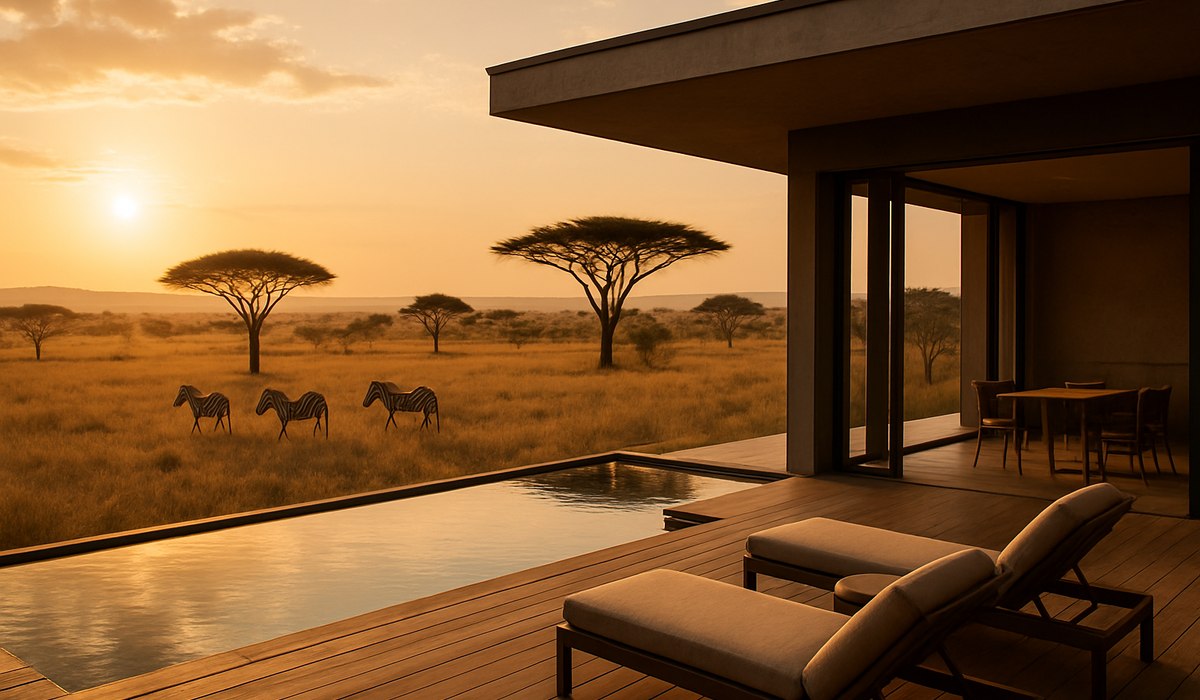
Boutique Travel VC raises investment cap from $1.5M to $10M to lead rounds and support portfolio companies through growth Travel...
Read moreDetails
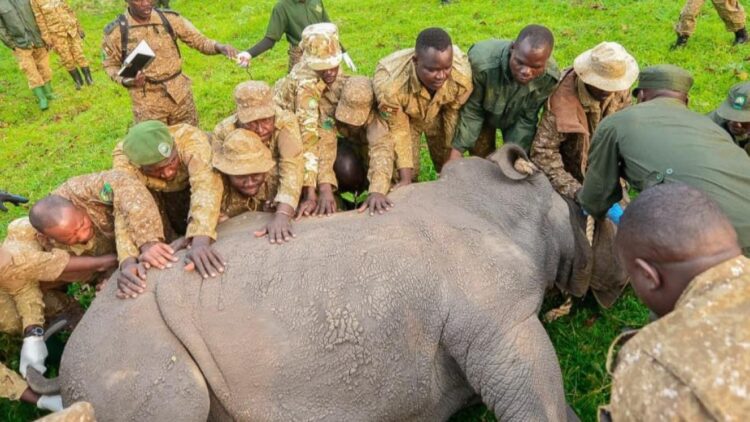
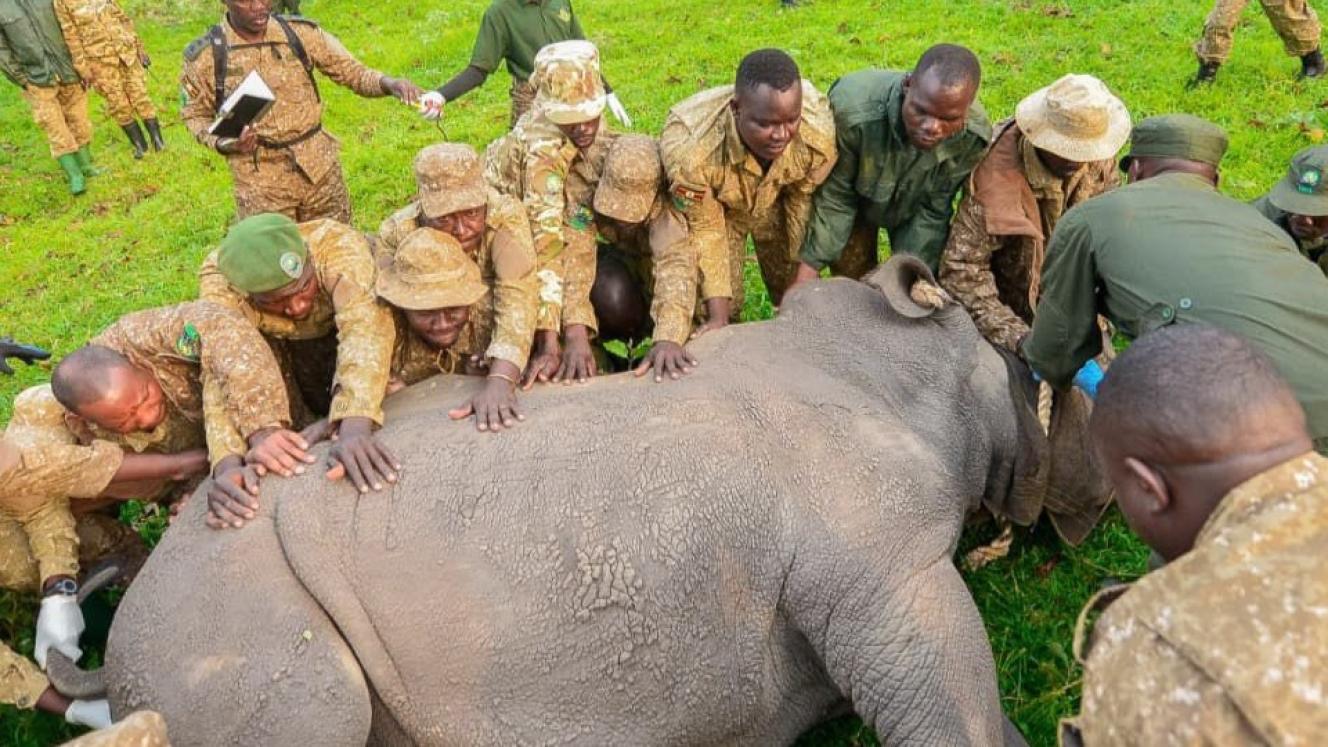
Uganda relocates rhinos to Ajai Wildlife Reserve
Article Summary:
Uganda has successfully translocated four southern white rhinos from Ziwa Rhino Sanctuary to Ajai Wildlife Reserve, marking the first phase of a national program to reintroduce rhinos to the country. This initiative is part of the National Rhino Conservation Strategy, aiming to rebuild Uganda’s rhino population and restore the species to parts of its historical range. The translocation is a significant step in conservation efforts, with a second phase planned for the relocation of 16 additional rhinos once the initial group has stabilized. The rhinos are currently under close monitoring as they adapt to their new environment, and the move is expected to enhance Uganda’s wildlife heritage and tourism potential.
Key Points:
Actionable Takeaways:
Enhanced Wildlife Conservation: The successful translocation of rhinos demonstrates Uganda’s commitment to wildlife conservation and biodiversity restoration. This initiative can serve as a model for other countries facing similar challenges, highlighting the importance of strategic reintroduction programs in preserving endangered species.
Tourism Growth Potential: The reintroduction of rhinos to Ajai Wildlife Reserve is expected to enhance Uganda’s tourism appeal, particularly for wildlife enthusiasts and eco-tourists. This could lead to increased visitor numbers, benefiting local communities and the broader economy through job creation and revenue generation in the tourism sector.
Strategic Planning for Future Expansion: The phased approach to rhino reintroduction indicates a well-thought-out strategy for expanding Uganda’s rhino population. Travel industry stakeholders should consider similar phased approaches for other wildlife species, ensuring sustainable and measurable conservation outcomes that align with tourism development goals.
Contextual Insights:
The translocation of rhinos in Uganda reflects a broader trend in the travel industry towards sustainable and ecologically responsible tourism. As conservation efforts gain momentum, destinations that successfully integrate wildlife preservation into their tourism offerings are likely to attract a growing segment of environmentally conscious travelers. This aligns with the increasing demand for authentic and responsible travel experiences, where visitors can engage with nature and contribute to conservation efforts.
Moreover, the initiative underscores the role of strategic planning and phased implementation in achieving conservation milestones. Travel startups and fintech innovators can leverage such success stories to develop platforms that facilitate wildlife conservation funding, monitor conservation progress, and enhance visitor experiences. By integrating technology and data-driven approaches, these innovations can support ongoing conservation efforts and provide tangible benefits to both conservationists and travelers.
In summary, the successful translocation of rhinos in Uganda not only advances wildlife conservation but also presents opportunities for the travel industry to grow sustainably. By focusing on actionable insights and contextual understanding, stakeholders can harness the potential of such initiatives to drive positive change in both conservation and tourism sectors.
Read the Complete Article.
Boutique Travel VC raises investment cap from $1.5M to $10M to lead rounds and support portfolio companies through growth Travel...
Read moreDetails



Comprehensive Summarization: The article reports on the stabilization of the UAE aviation industry, with a significant milestone being the full...
Read moreDetails
